Muscat came first
Muscat de Beaumes-de-Venise, recognised in 1945, is a vin doux naturel: fermentation is stopped by adding alcohol, preserving the grapes' natural sugar. Muscat à petits grains gives a wine of remarkable aromatic intensity.
Serve chilled, around 8°C, as an aperitif or with a yellow-fruit dessert, melon or foie gras. Unlike many VDNs, it benefits from drinking in its first years, while its fragrance remains intact.
Red, a cru since 2005
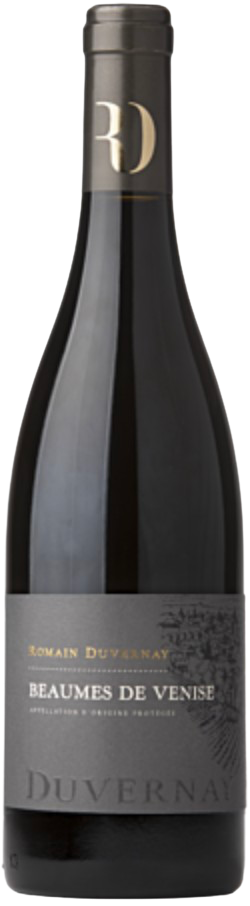
The commune's reds, long sold as Côtes du Rhône Villages, obtained their own appellation in 2005. They rely on Grenache and a mandatory proportion of Syrah, across four communes below the Dentelles.
The highly varied soils mix Triassic sandstone, marl and limestone scree descending from the Dentelles. Altitude and multiple exposures create pronounced microclimates.
Two styles not to confuse
On the label, the wording makes all the difference: Beaumes-de-Venise alone denotes dry red, while Muscat de Beaumes-de-Venise denotes sweet wine. Buyers frequently confuse them.
The red is fleshy and spicy, with black cherry and garrigue, and five to ten years' potential: in the family of its immediate neighbour Gigondas, with a little more suppleness.
The grape varieties of Beaumes-de-Venise
Beaumes-de-Venise wines on 1001caves
Detailed pages: the cuvée, the estate, the drinking window and the bottles for sale between collectors.