The Heart of the Nantais Vineyard
Southeast of Nantes, Muscadet Sèvre et Maine takes its name from two rivers, the Sèvre Nantaise and the Maine, tributaries of the Loire. It is the best known and largest of the Pays Nantais appellations — about 6,400 hectares — and the most qualitative. It produces only dry white wine, from melon de Bourgogne alone.
The Terroir: The Armorican Crystalline Bedrock
Unlike the limestone found elsewhere in the Loire, the Nantais subsoil belongs to the Armorican Massif: gneiss, orthogneiss, granite, schist and gabbro form a mosaic of crystalline rocks, over soils rich in magnesium and potassium. This geological diversity gave rise to the "cru communaux" — Clisson, Gorges, Le Pallet, Château-Thébaud, Goulaine, Monnières-Saint-Fiacre, Mouzillon-Tillières — recognised since 2011, each expressing a particular type of rock.
Ageing Sur Lie and Style
Muscadet's signature is ageing "sur lie": the wine spends the winter on its fine vinification lees, then is bottled without the lees being racked off. It retains a bright freshness and a light carbon-dioxide sparkle. The result is a dry, saline and thirst-quenching white wine — the ideal companion to oysters and seafood — whose cru communaux, aged for longer, reveal an unsuspected depth and ageing potential.
The grape varieties of Muscadet Sèvre et Maine
Muscadet Sèvre et Maine wines on 1001caves
Detailed pages: the cuvée, the estate, the drinking window and the bottles for sale between collectors.
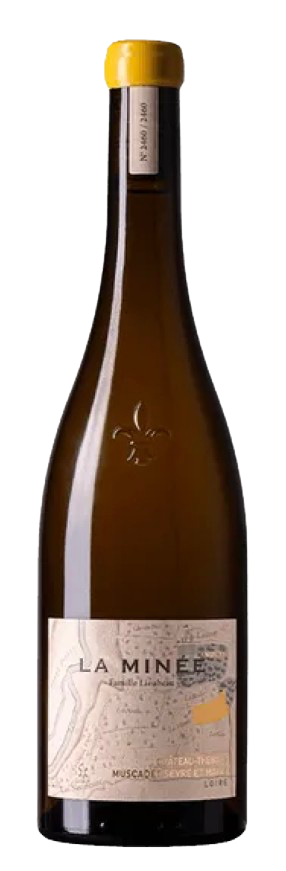 Famille Lieubeau - Château-Thebaud, La Minée 2022Muscadet Sèvre et Maine Château-Thébaud→
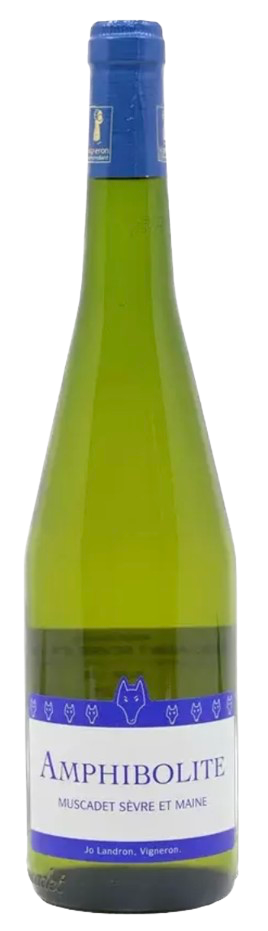 Jo Landron - Amphibolite, Muscadet Sèvre et Maine 2020Muscadet Sèvre et Maine→
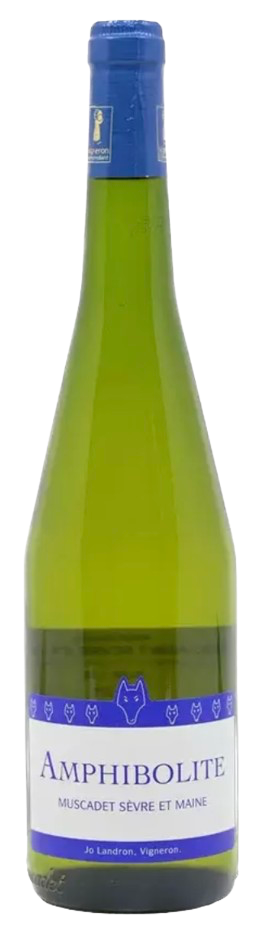 Jo Landron - Amphibolite, Muscadet Sèvre et Maine 2023Muscadet Sèvre et Maine→
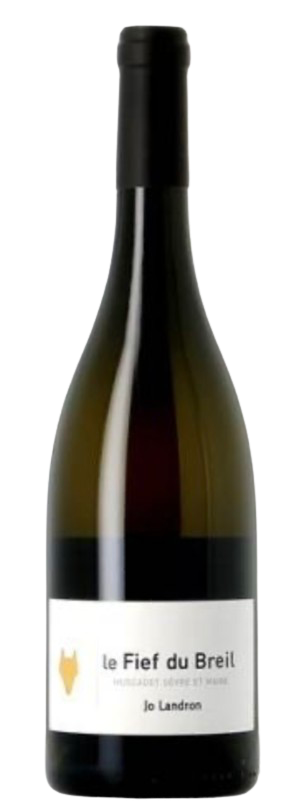 Jo Landron - Le Fief du Breil, Muscadet Sèvre et Maine 2020Muscadet Sèvre et Maine→
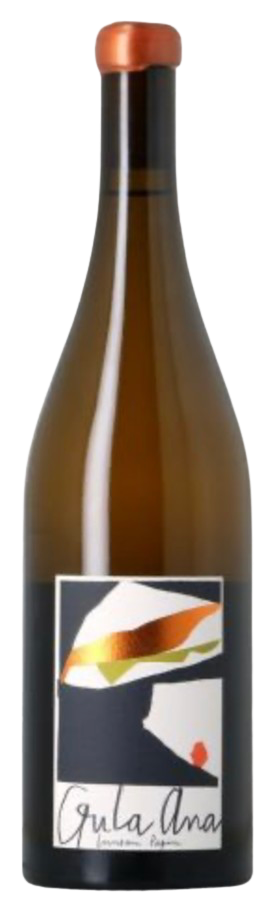 Pierre Luneau-Papin - Muscadet Sèvre et Maine, Gula Ana 2023Muscadet Sèvre et Maine→
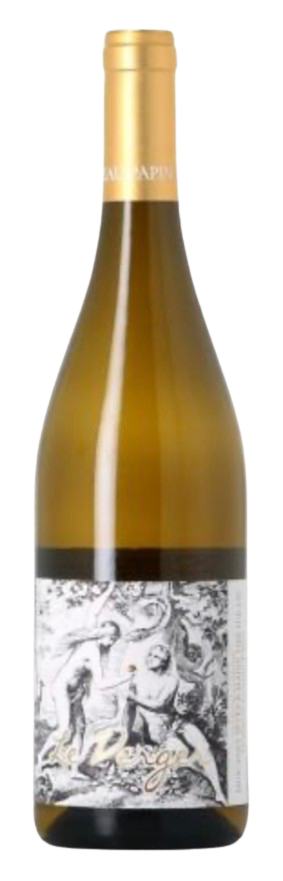 Pierre Luneau-Papin - Muscadet Sèvre et Maine, Le Verger 2020Muscadet Sèvre et Maine→
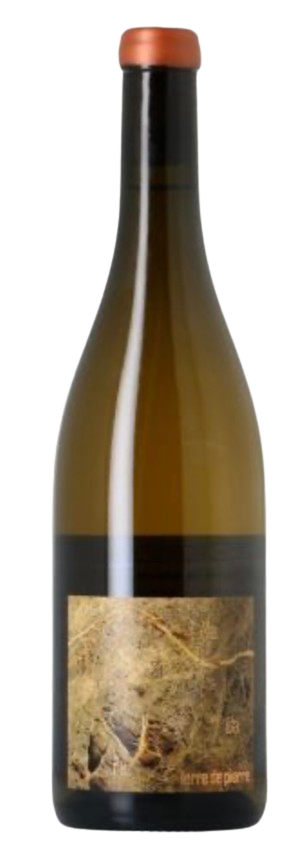 Pierre Luneau-Papin - Muscadet Sèvre et Maine, Terre de Pierre 2022Muscadet Sèvre et Maine→
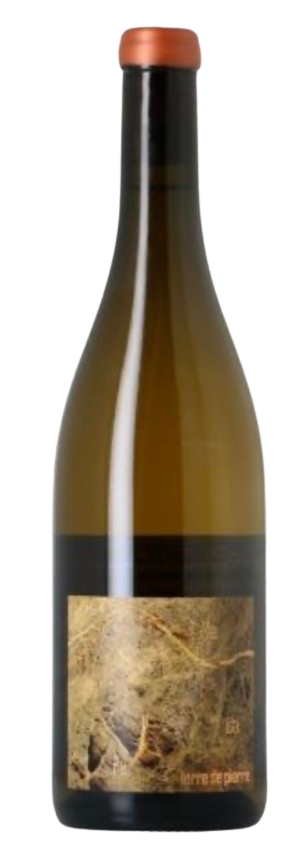 Pierre Luneau-Papin - Muscadet Sèvre et Maine, Terre de Pierre 2024Muscadet Sèvre et Maine→