The north's longest appellation
Recognised in 1956, Saint-Joseph occupies the Rhône's right bank between Condrieu to the north and Cornas to the south, along a strip some sixty kilometres long encompassing around twenty communes in Ardèche and Loire. This extent is unmatched in the northern Rhône and explains the appellation's variety: it is a succession of slopes rather than a single terroir.
An INAO survey in 1986 distinguished seven terroirs, on slopes of weathered rock, ancient alluvial terraces and alluvial fans. Recent alluvial terraces and level loess deposits are generally considered less favourable for quality, with exceptions. This delimitation work refocused the appellation on the best slopes, but the difference in quality between cuvées remains real: here more than elsewhere, the producer's name matters.
Granite from north to south
The bedrock is granite throughout, inherited from the Massif Central and covered in places by sandy weathered material or stony deposits. The best plots lie on steep, terraced slopes facing east and south-east towards the river.
The main difference is climatic: the north of the appellation, around Chavanay, retains a continental influence and produces taut, floral wines; the south, towards Mauves and Tournon, already feels southern and produces warmer, rounder reds.
Approachable reds, little-known whites
Syrah produces fruity wines here, often less tannic and ready earlier than Cornas or Hermitage: violet, raspberry and blackcurrant, with a touch of pepper. It is the classic introduction to the northern Rhône, at prices that remain reasonable compared with its neighbours.
The minority of whites deserves attention: Marsanne and Roussanne produce broad wines with almond, pear and hawthorn notes and good staying power. Serve at 10–12°C, and the reds at around 16°C.
The grape varieties of Saint-Joseph
Saint-Joseph wines on 1001caves
Detailed pages: the cuvée, the estate, the drinking window and the bottles for sale between collectors.
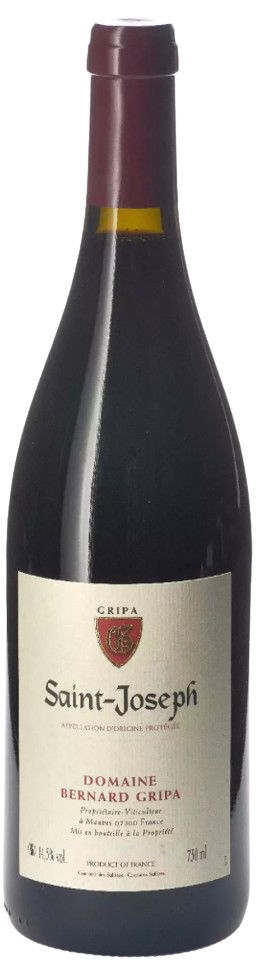 Domaine Bernard Gripa - Saint-Joseph 2022Saint-Joseph→
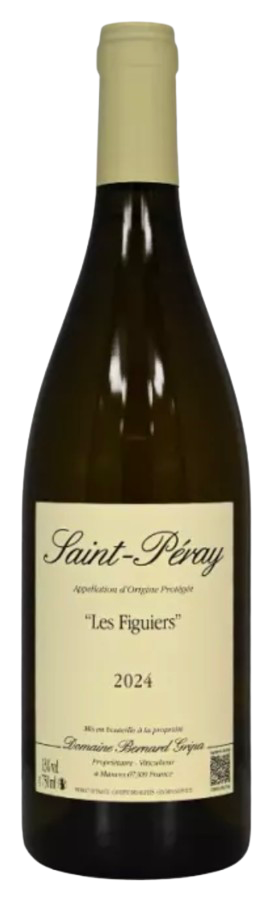 Domaine Bernard Gripa, Saint-Joseph, Berceau Blanc 2023Saint-Joseph→
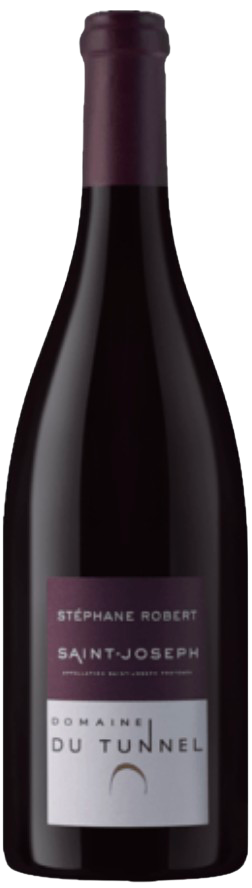 Domaine du Tunnel - Saint-Joseph 2019Saint-Joseph→
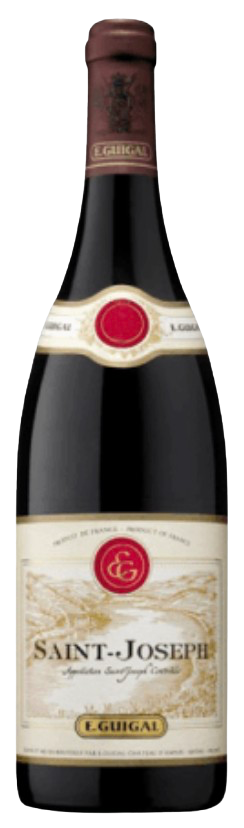 E. Guigal, Saint-Joseph, Rouge 2020Saint-Joseph→
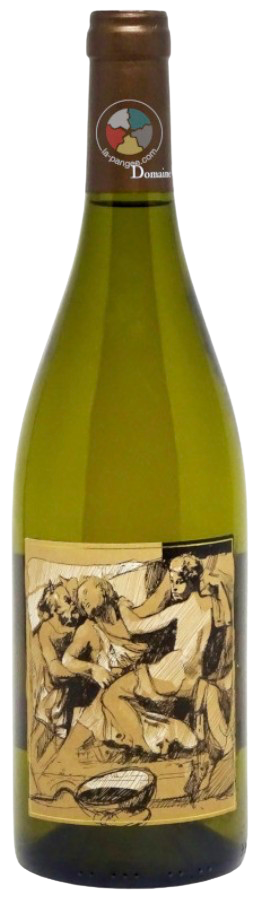 Gangloff - Saint-Joseph 2019Saint-Joseph→
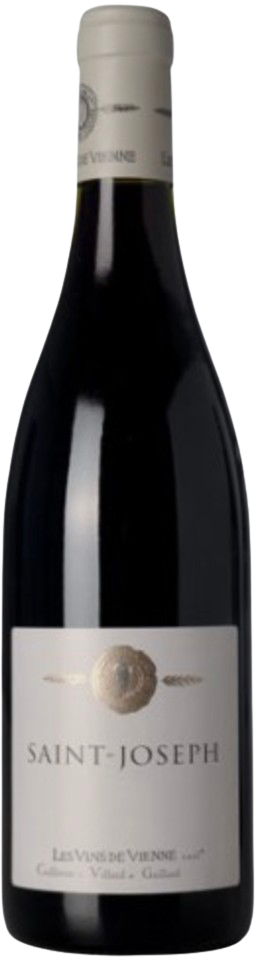 Les Vins de Vienne - Saint-Joseph 2023Saint-Joseph→
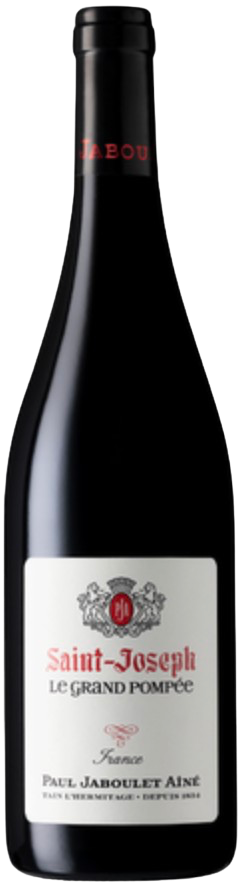 Paul Jaboulet Ainé - Saint-Joseph, Le Grand Pompée 2023Saint-Joseph→
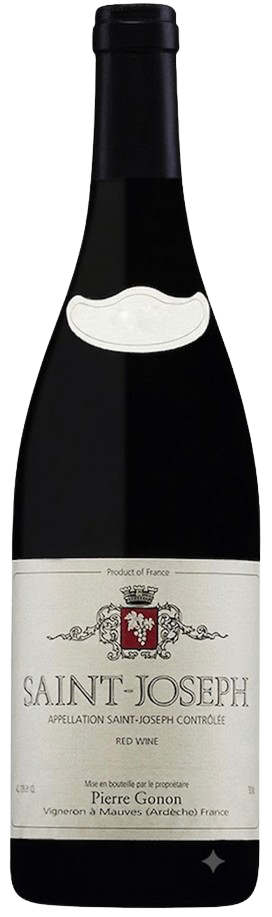 Pierre Gonon, Saint-Joseph 2022Saint-Joseph→
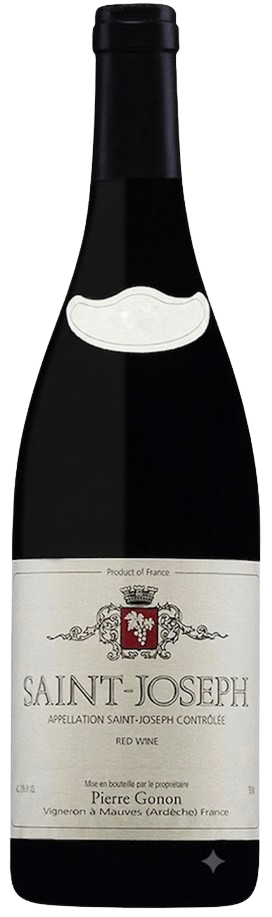 Pierre Gonon, Saint-Joseph 2023Saint-Joseph→
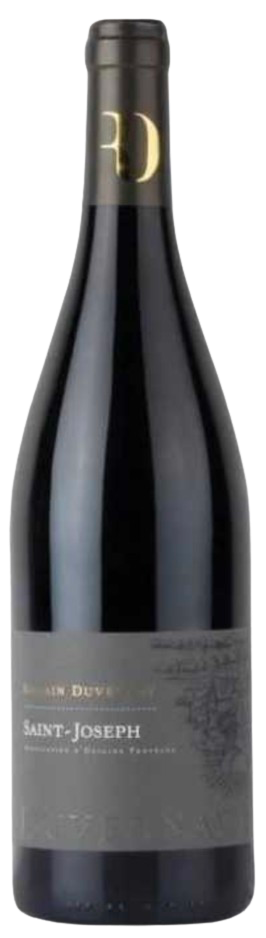 Romain Duvernay 2023Saint-Joseph→Yves Gangloff - Saint-Joseph 2013Saint-Joseph→