Terraced vineyards inherited from Rome
Côte-Rôtie occupies the steep slopes on the right bank of the Rhône, south of Vienne, around the village of Ampuis. Vines are documented here from Roman antiquity: this is one of France's oldest vineyards, and probably the first in the Rhône valley.
Slopes reach extreme gradients, up to sixty per cent in places. Growers therefore built terraces supported by dry-stone walls, known as cheys, which need constant upkeep. Mechanisation is impossible: the work is done by hand, explaining the modest yields and the wines' prices. The appellation was recognised in 1940.
Côte Brune and Côte Blonde
The vineyard is traditionally divided between two slopes with distinct soils. Côte Brune, to the north, lies on darker mica schist and produces powerful, tannic wines built for ageing. Côte Blonde, to the south, combines paler, lighter gneiss and granite, giving softer, more fragrant wines.
Many houses blend the two, seeking a balance between the structure of one and the grace of the other. This duality, as much as the gradient, accounts for the appellation's reputation.
Syrah with a touch of Viognier
The appellation rules allow up to 20% Viognier in the blend, an unusual feature. The white grapes are not added afterwards: they go into the vat with the Syrah and ferment alongside it. This co-fermentation stabilises the colour and brings floral, apricot and violet notes that soften Syrah's dark fruit.
Côte-Rôtie is recognised more by its bouquet than its power: violet, black olive, pepper and, with age, smoked bacon. The tannins are fine and the structure slender. Serve at around 16–17°C, decanting younger vintages.
The grape varieties of Côte-Rôtie
Côte-Rôtie wines on 1001caves
Detailed pages: the cuvée, the estate, the drinking window and the bottles for sale between collectors.
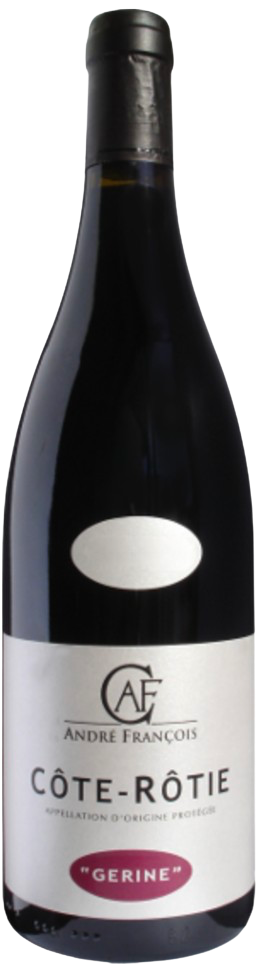 Andre Francois - Gerine Côte-Rôtie 2005Côte-Rôtie→
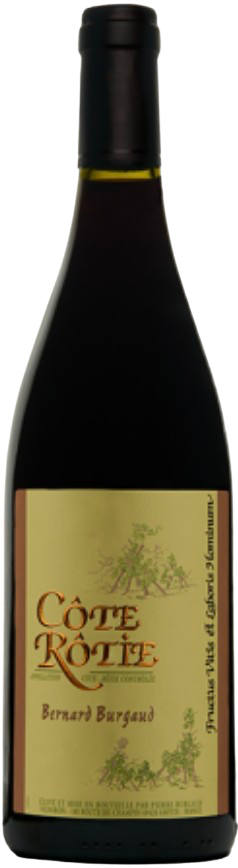 Bernard Burgaud - Côte Rôtie 2024Côte Rôtie→
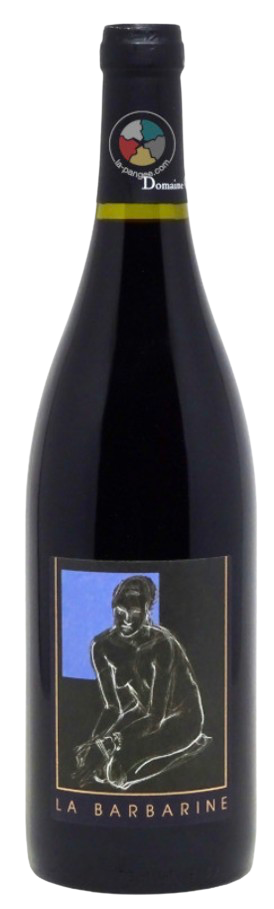 Domaine Gangloff - La Barbarine 2019Côte-Rôtie→
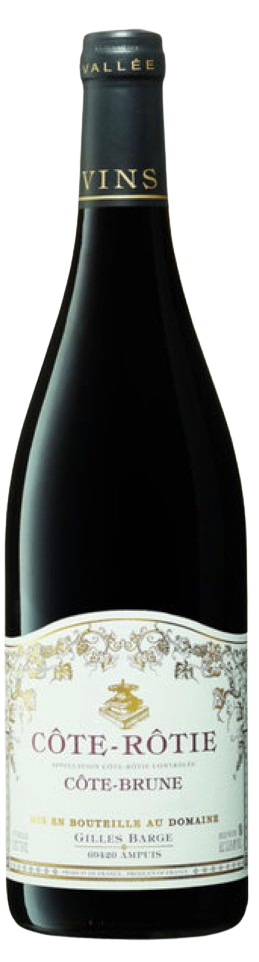 Domaine Gilles Barge - Côte-Rôtie Côte-Brune 1996Côte-Rôtie→
 E. Guigal - Brune Et Blonde 1994Côte Rôtie→
 E. Guigal, Côte Rôtie, Brune Et Blonde 2019Côte Rôtie→E. Guigal - Brune et Blonde 2022Côte-Rôtie→
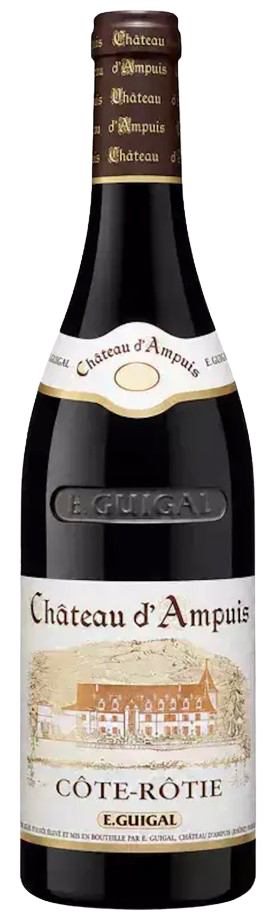 E. Guigal - Château d'Ampuis Côte-Rôtie 2018Côte-Rôtie→E. Guigal, Côte Rôtie, Château d'Ampuis 2019Côte Rôtie→E. Guigal - Château d'Ampuis 2020Côte-Rôtie→E. Guigal - Château d'Ampuis Côte-Rôtie 2021Côte-Rôtie→
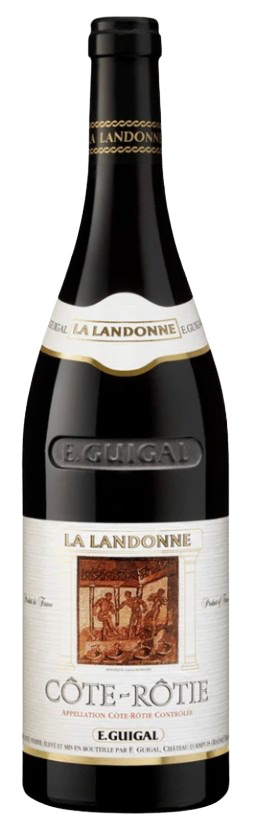 E. Guigal - La Landonne 2021Côte-Rôtie→
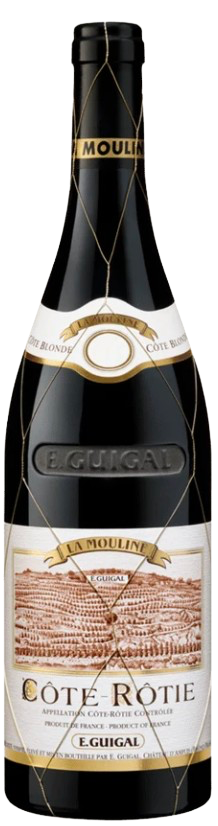 E. Guigal - La Mouline 2005Côte-Rôtie→E. Guigal - La Mouline 2021Côte-Rôtie→
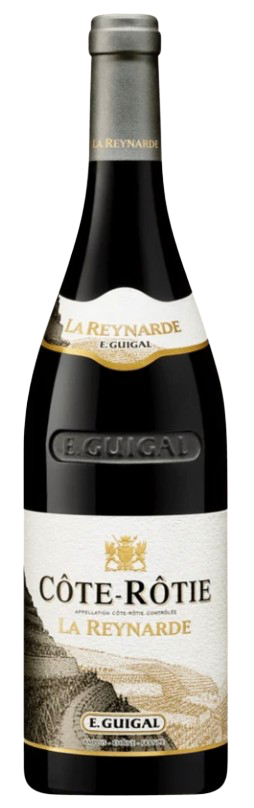 E. Guigal - La Reynarde 2022Côte-Rôtie→
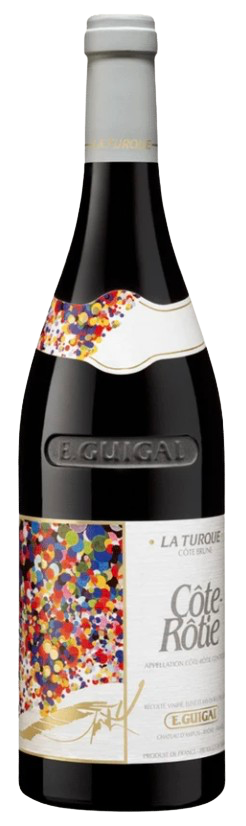 E. Guigal - La Turque 2021Côte-Rôtie→Guigal - Côte-Rôtie brune et blonde 2012Côte-Rôtie→Guigal - Côte-Rôtie brune et blonde 2015Côte-Rôtie→
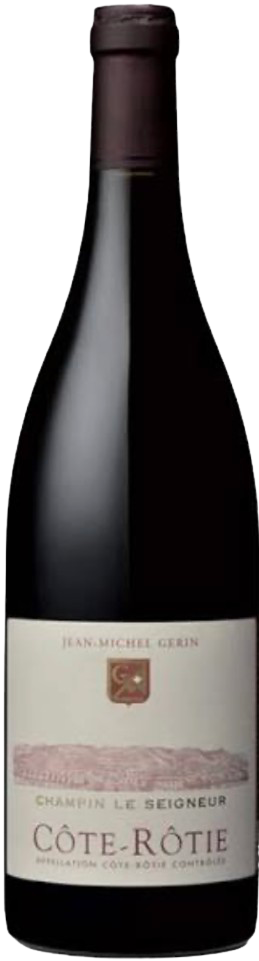 Jean Michel Gerin - Côte-Rôtie, Champin Le Seigneur 2023Côte-Rôtie→
 Jean-Michel Gérin - Côte-Bodin Côte-Rôtie 2018Côte-Rôtie→Jean-Michel Gérin - Côte-Bodin Côte-Rôtie 2022Côte-Rôtie→Jean-Michel Gérin - Côte-Bodin Côte-Rôtie 2023Côte-Rôtie→
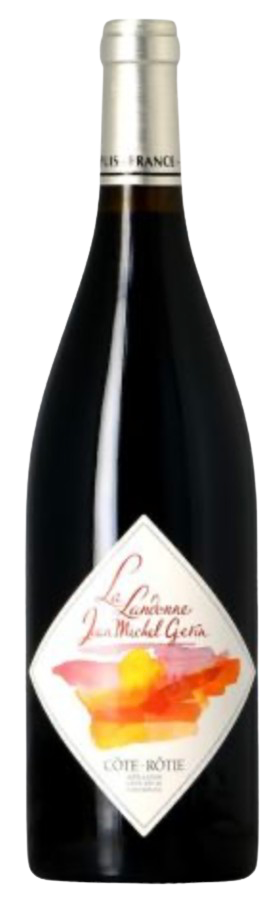 Jean-Michel Gérin - La Landonne Côte-Rôtie 2022Côte-Rôtie→Jean-Michel Gérin - La Landonne Côte-Rôtie 2023Côte-Rôtie→
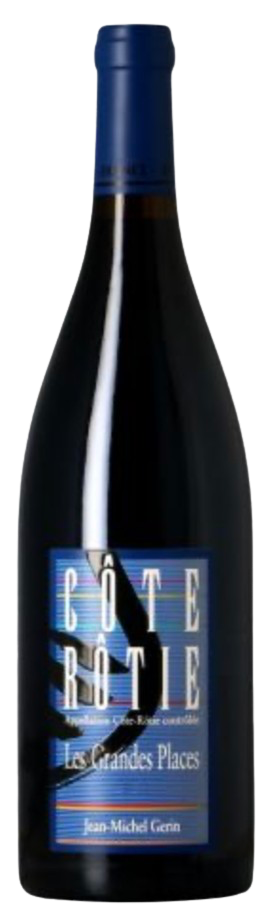 Jean-Michel Gérin - Les Grandes Places 2023Côte-Rôtie→
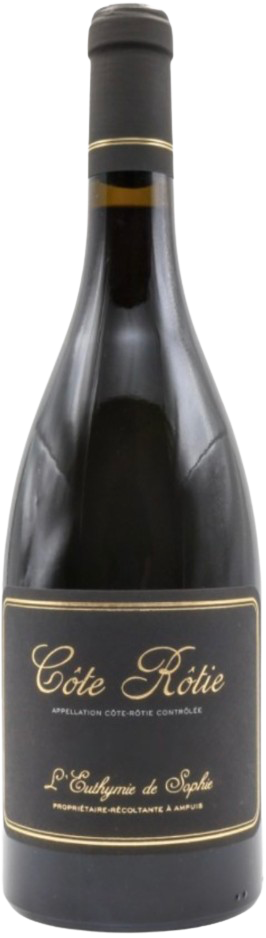 Domaine L'Euthymie de Sophie - L'Euthymie de Sophie Classique 2015Côte-Rôtie→
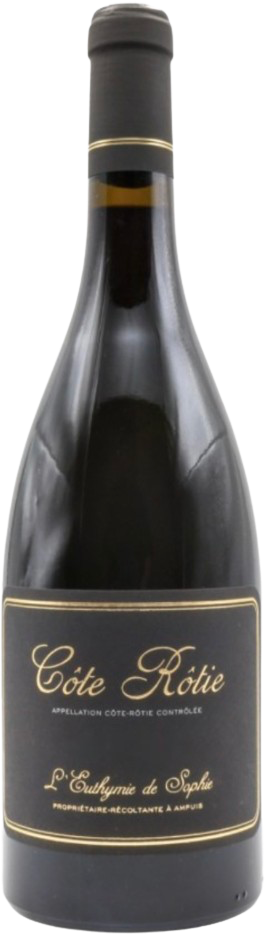 Domaine L'Euthymie de Sophie - L'Euthymie de Sophie Classique 2016Côte-Rôtie→
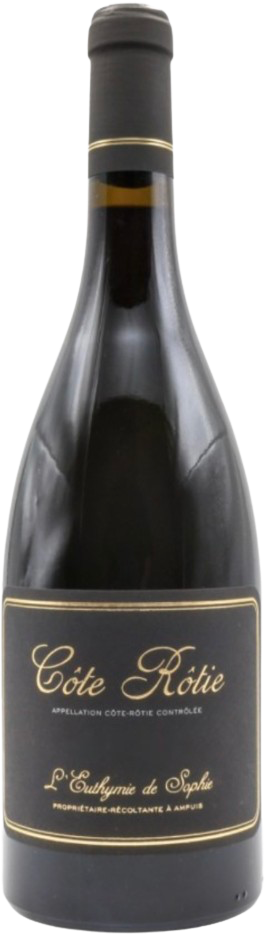 Domaine L'Euthymie de Sophie - L'Euthymie de Sophie Classique 2017Côte-Rôtie→
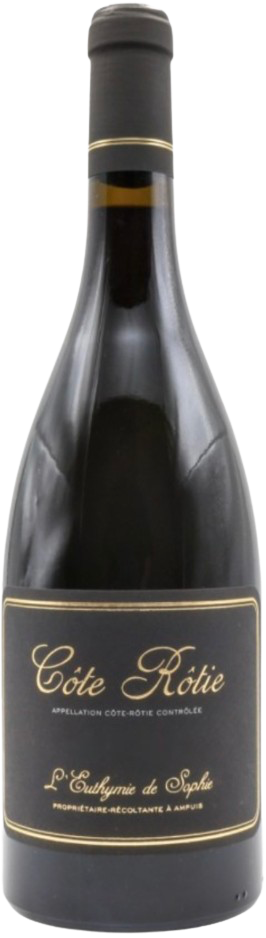 Domaine L'Euthymie de Sophie - L'Euthymie de Sophie Classique 2019Côte-Rôtie→
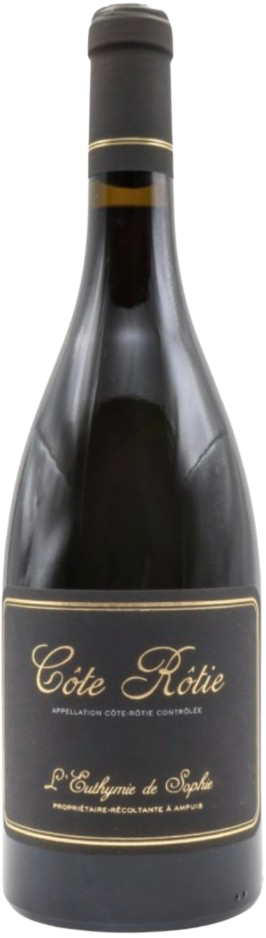 Domaine L'Euthymie de Sophie - L'Euthymie de Sophie Classique 2020Côte-Rôtie→
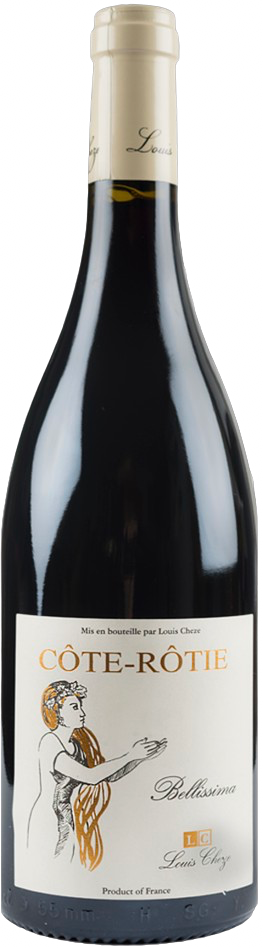 Louis Chèze - Côte-Rôtie, Bellissima 2023Côte-Rôtie→
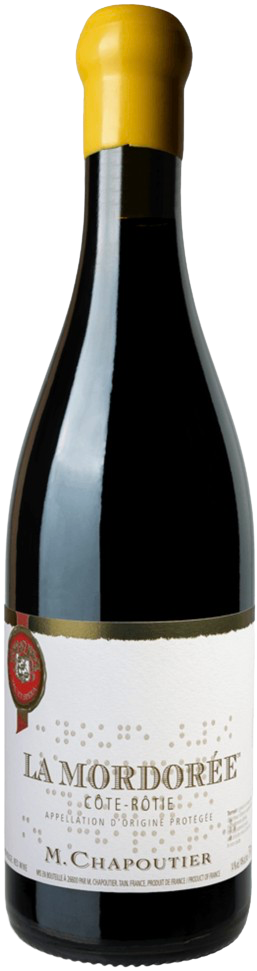 M. Chapoutier - Côte Rôtie, La Mordoree 2008Côte Rôtie→
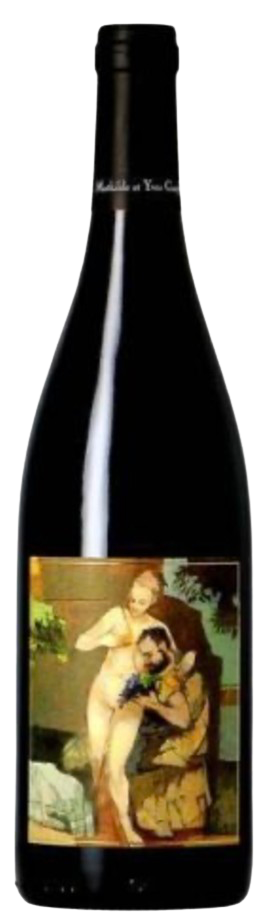 Mathilde et Yves Gangloff - La Sereine Noire 2004Côte-Rôtie→
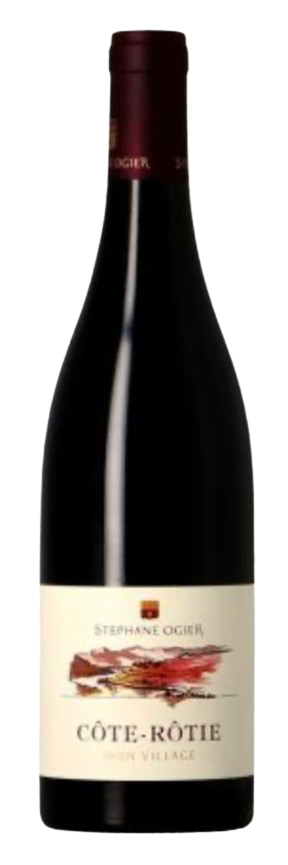 Michel & Stéphane Ogier - Côte-Rôtie Mon Village 2022Côte-Rôtie→
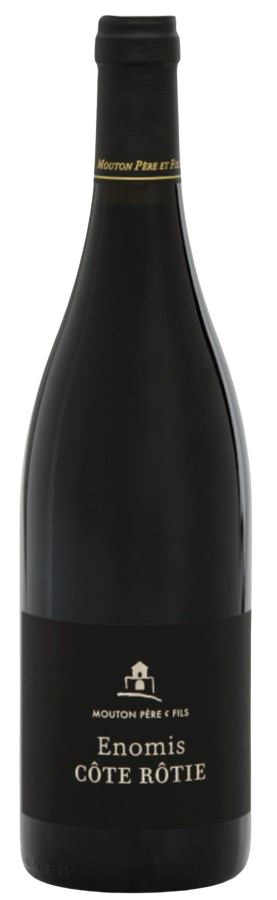 Mouton Père & Fils - Enomis 2020Côte Rôtie→
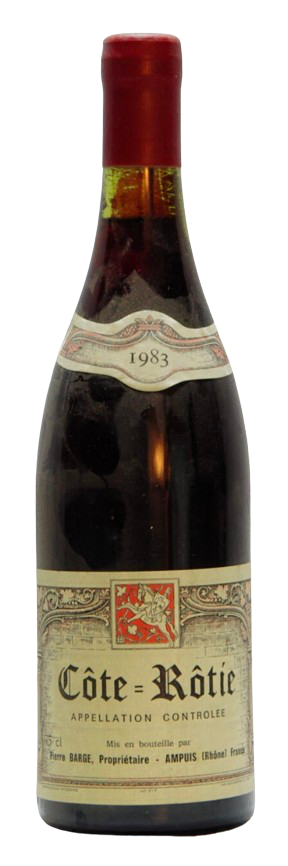 Pierre Barge - Côte-Rôtie 1983Côte-Rôtie Appellation Contrôlée→
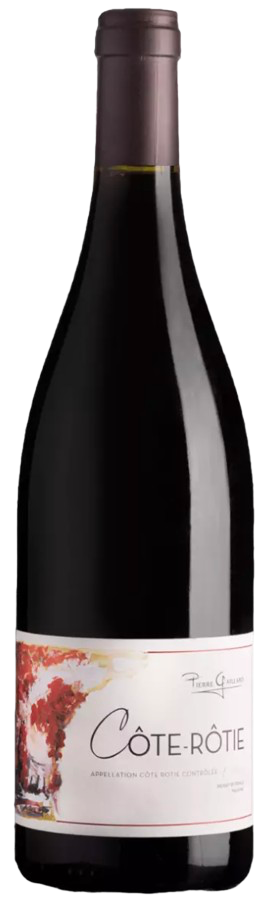 Pierre Gaillard - Côte-Rôtie 2020Côte-Rôtie→
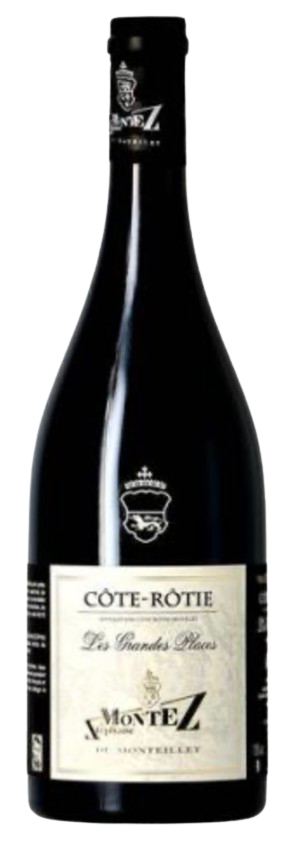 Stéphane Montez – Domaine du Monteillet - Les Grandes Places 2022Côte-Rôtie→Stephane Ogier - Côte Rôtie - Mon Village 2015Côte Rôtie→
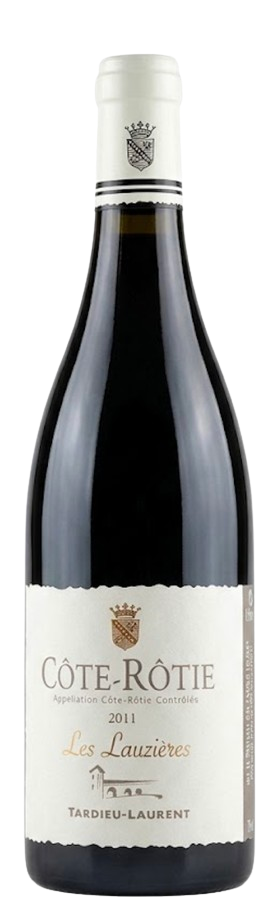 Tardieu-Laurent - Côte-Rôtie Les Lauzières 2011Côte-Rôtie→
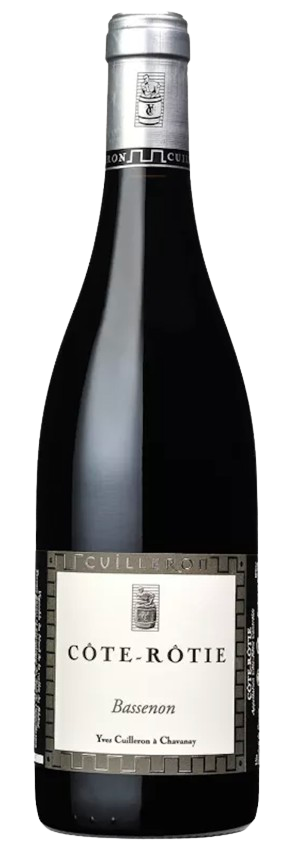 Yves Cuilleron - Côte-Rôtie Bassenon 2015Côte-Rôtie→