A banner for the hillsides
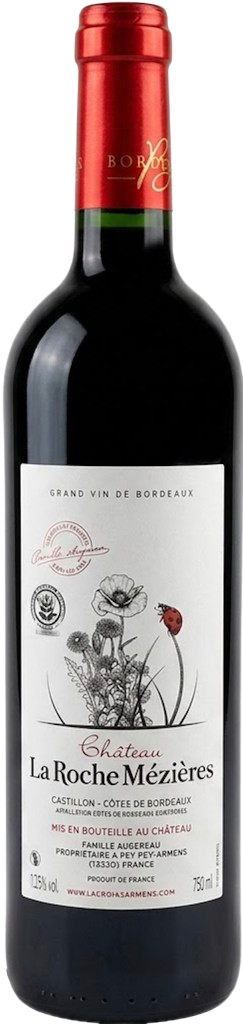
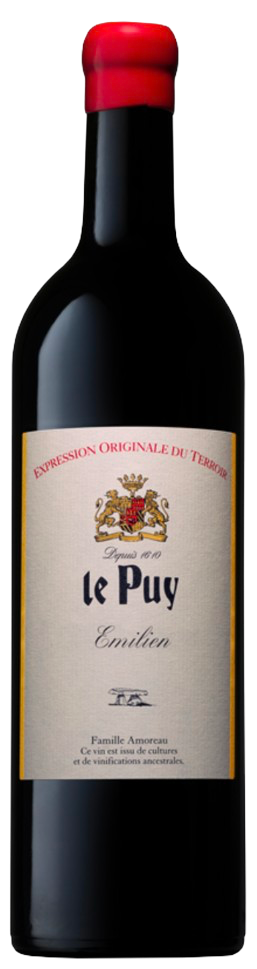
Driven by the INAO, the Côtes de Bordeaux appellation was created in 2009 to bring together several hillside terroirs of the Bordeaux region that shared the same spirit without being united. Each can add its own geographical denomination: Côtes de Bordeaux-Blaye, -Cadillac, -Castillon, -Francs (and Sainte-Foy). Altogether it covers some 13,000 hectares, mostly in red.
The terroir: clay-limestone hillsides
The common thread is the hillside relief, often marked by an ancient cliff carved by rivers. The soils are clay-limestone — over asteria limestone in several areas —, clay-gravel or silty-clay. Clay-limestone, the most sought-after, retains water and brings freshness: a terroir of choice for merlot.
The style of the wines
Merlot dominates (around 70%), supported by cabernet sauvignon and a little malbec. The result is supple, round and balanced reds, with a fine tannic structure that gives them good cellaring potential. It's one of the best options in the Bordeaux region for wines of character at a reasonable price.
The grape varieties of Côtes de Bordeaux
Côtes de Bordeaux wines on 1001caves
Detailed pages: the cuvée, the estate, the drinking window and the bottles for sale between collectors.