The belt around Hermitage
Recognised in 1937, the same year as Hermitage, Crozes-Hermitage surrounds the hill across eleven communes on the left bank in Drôme. With around one thousand six hundred and fifty hectares, it alone produces the majority of northern Rhône wines.
This extent is both its commercial strength and its quality challenge: the appellation includes slopes comparable to those of its neighbours and extensive flatland terraces. The difference between a hillside cuvée and a high-volume merchant wine can be considerable.
Two terroirs in one
To the north, around Gervans and Larnage, the granite and loess of the Hermitage hill reappear on steep slopes. These are the highest-quality sectors, producing structured, mineral wines.
To the south, the Chassis plain spreads out in terraces of rounded stones and red clay inherited from Quaternary glaciations, on deeper, more fertile soils. Wines are softer, fruitier and intended for drinking young: this is the source of entry-level Crozes.
Syrah without intimidation
Red Crozes is a fruit-driven wine: blackcurrant, raspberry and black olive, with the pepper characteristic of northern Syrah. Tannins are integrated, the structure medium-bodied, and most cuvées are drunk between three and eight years.
Whites, around a tenth of production, offer roundness with apricot and white-flower notes. Serve reds around 16°C and whites at 11°C. This is the ideal appellation for understanding the northern style before moving on to Hermitage or Côte-Rôtie.
The grape varieties of Crozes-Hermitage
Crozes-Hermitage wines on 1001caves
Detailed pages: the cuvée, the estate, the drinking window and the bottles for sale between collectors.
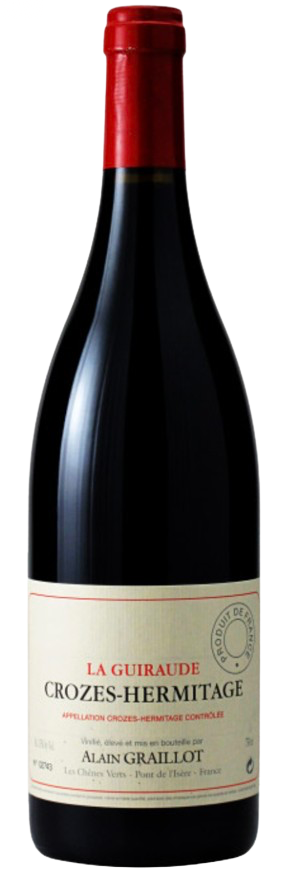 Domaine Alain Graillot - Crozes-Hermitage La Guiraude 2018Crozes-Hermitage→
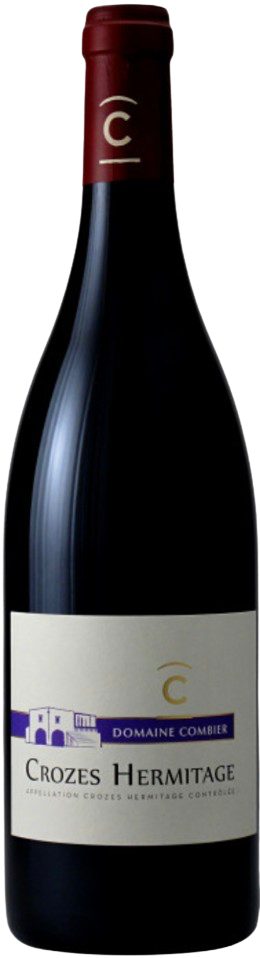 Domaine Combier - Crozes Hermitage 2022Crozes-Hermitage→
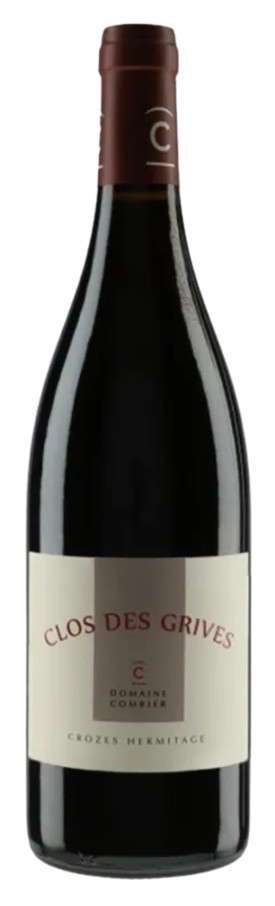 Domaine Combier - Clos des Grives 2015Crozes-Hermitage→Domaine Combier - Clos des Grives 2023Crozes-Hermitage→
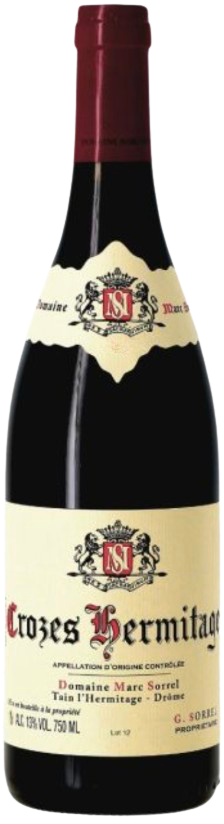 Domaine Marc Sorrel - Crozes-Hermitage 2024Crozes-Hermitage→
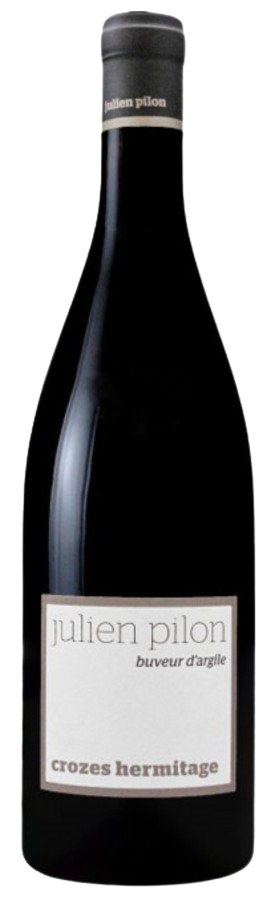 Julien Pilon - Crozes-Hermitage 2021Crozes-Hermitage→
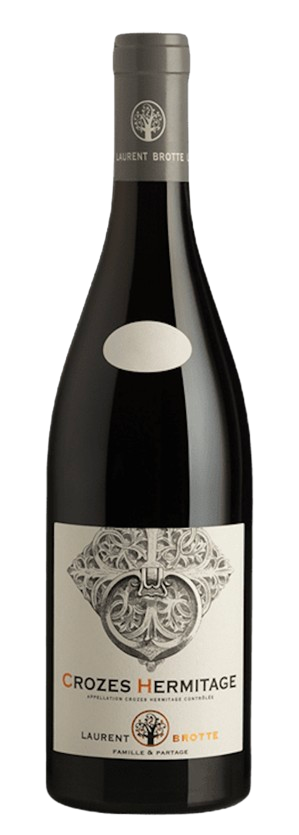 Laurent Brotte - Crozes Hermitage 2023Appellation Crozes Hermitage Contrôlée→
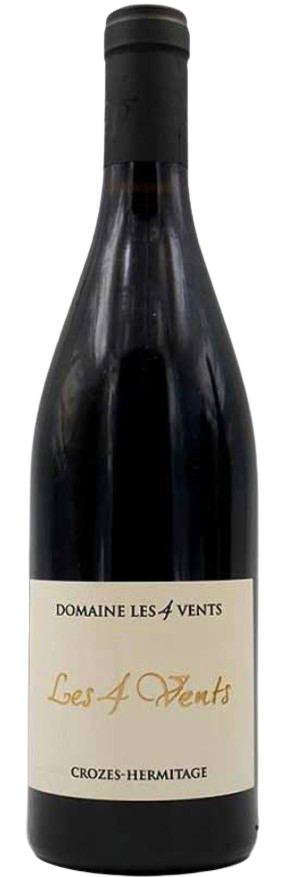 Les 4 Vents 2023Crozes-Hermitage→
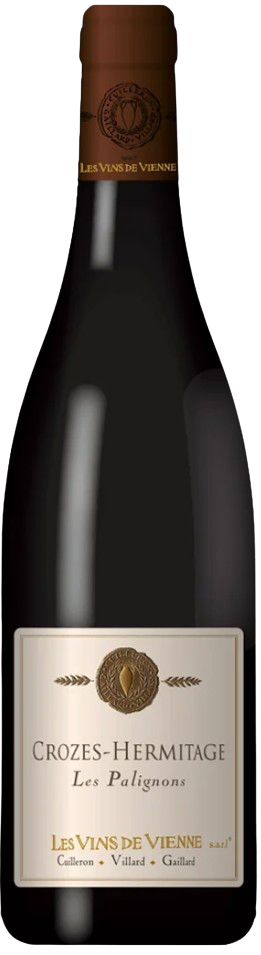 Les Vins de Vienne - Crozes-Hermitage, Palignons 2022Crozes-Hermitage→
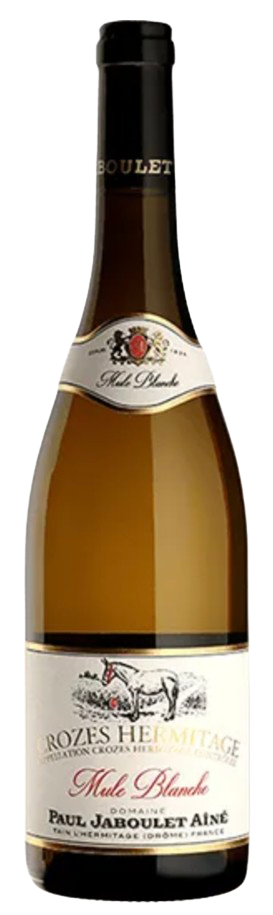 Paul Jaboulet Aîné - Crozes-Hermitage Mule Blanche 1982Crozes-Hermitage→