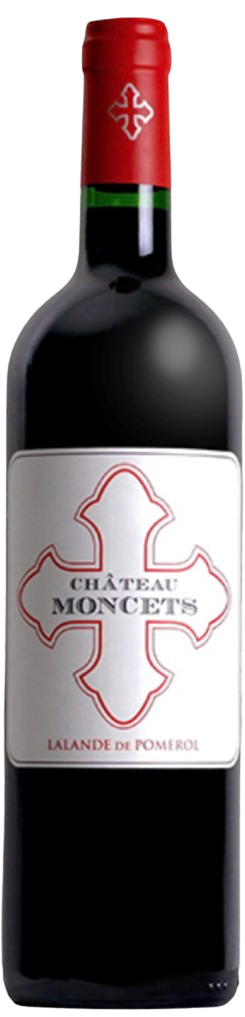
Pomerol's neighbour to the north
About fifty kilometres east of Bordeaux, just north of Libourne, Lalande-de-Pomerol extends across two communes, Lalande-de-Pomerol and Néac. It borders Pomerol, from which it is separated only by a modest waterway, the Barbanne — a boundary more administrative than geological.
The appellation, larger than Pomerol, long lived "in the shadow" of its neighbour. Its wine-growers' union, founded as early as 1884, nonetheless testifies to a long-standing and proudly claimed identity.
The terroir: clay, gravel and sand
The vineyard is organised in successive terraces across the two communes. The soils combine clay, gravel and, in the western part near the river, sand. The clay, sometimes present to considerable depths, forms terrain ideally suited to merlot.
This kinship of soils with Pomerol explains the family resemblance between the two appellations: the same predilection for merlot, the same unctuousness in the wines. The differences lie mainly in the proportion of gravel and sand, which here bring an added measure of accessibility.
The style of the wines: accessible elegance
Merlot dominates by far, bringing roundness and finesse; cabernet franc gives it backbone and an expressive bouquet, while a little cabernet sauvignon reinforces, in certain crus, the ageing potential. The wines display a deep ruby-garnet colour and a nose of small red fruits — redcurrant, strawberry, cherry, raspberry — which evolves with age toward prune, leather, game and cocoa.
On the palate, they are solid, full-bodied and velvety, with present but never harsh tannins, and a tight-knit structure. Elegant and fragrant, they offer an ideal introduction to the world of the right bank — often ready sooner than pomerol wines, and considerably more affordable.
The grape varieties of Lalande-de-Pomerol
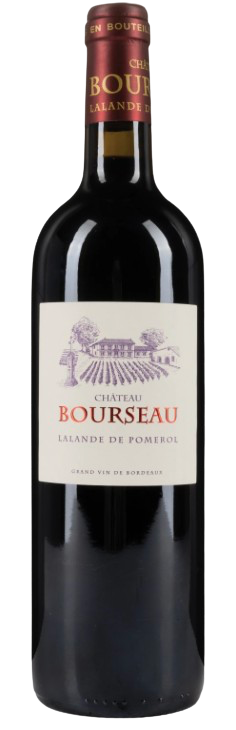
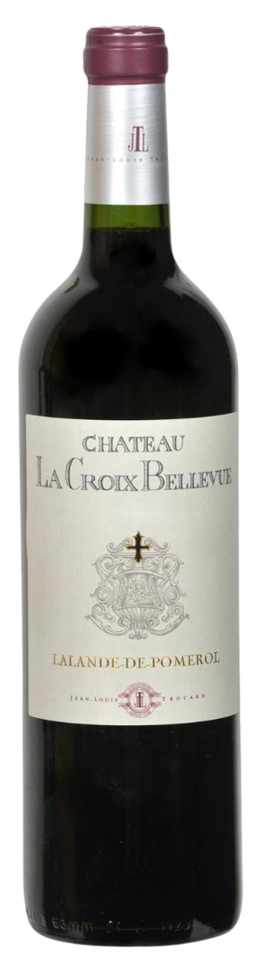
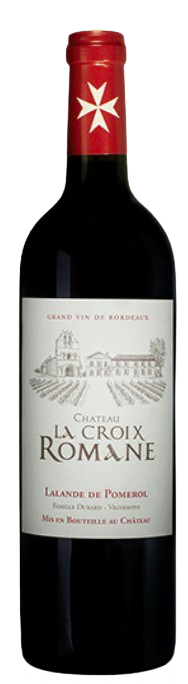
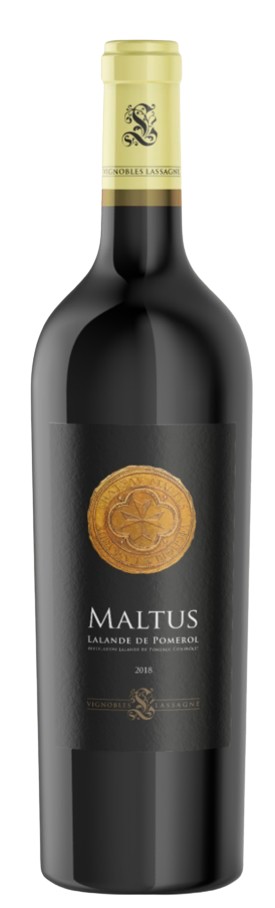
Lalande-de-Pomerol wines on 1001caves
Detailed pages: the cuvée, the estate, the drinking window and the bottles for sale between collectors.