At the northern tip of the Saint-Émilion area
Confined to the commune of Lussac, the appellation closes off the northern edge of the Saint-Émilion vineyard, beyond the Barbanne. It is one of the four satellites that borrow their prestigious neighbour's name while cultivating their own identity.
The terroir: two faces
Lussac reads as two terroirs. To the north, a plateau covered with Périgord sands yields supple, pleasant wines, enjoyable young. To the south, a clay-limestone slope in a natural amphitheatre, well-exposed, offers far better ageing potential. This duality explains the diversity of styles within the appellation.
The style of the wines
Merlot dominates (over 65%), rounded out by cabernet franc and a little cabernet sauvignon. Wines from the sandy plateau charm with their fruit and immediate suppleness; those from the limestone slope, more structured, reward patience. Fine estates such as Châteaux Lyonnat and du Courlat carry the appellation's reputation.
The grape varieties of Lussac-Saint-Émilion
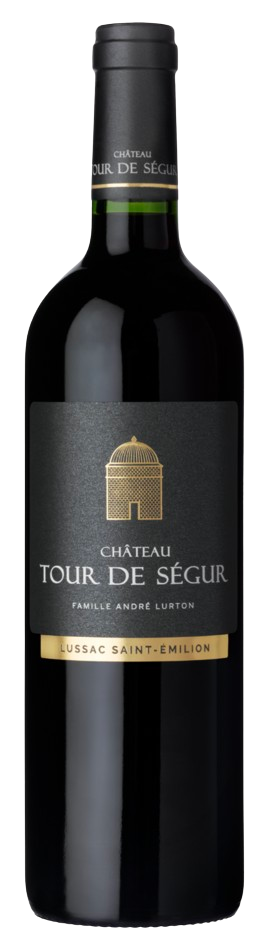
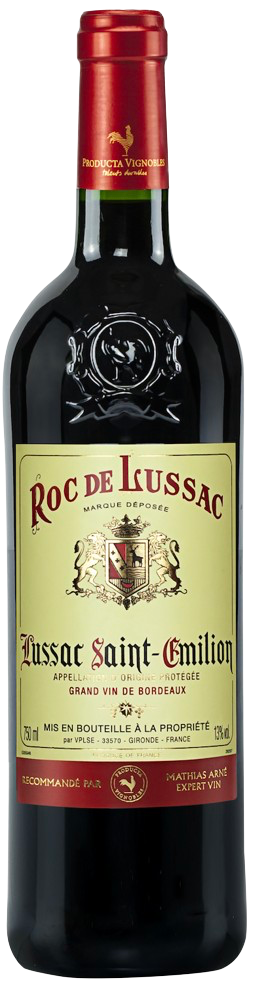
Lussac-Saint-Émilion wines on 1001caves
Detailed pages: the cuvée, the estate, the drinking window and the bottles for sale between collectors.