A satellite north of Saint-Émilion
Montagne-Saint-Émilion belongs to the family of Saint-Émilion "satellites," the appellations that extend the great AOC north of the Barbanne, the small stream marking the boundary. It covers the commune of Montagne, which absorbed the former villages of Parsac and Saint-Georges in 1973, making it the largest of the four satellites.
The terroir: clay-limestone slopes on asteria limestone
The vineyard sits on well-exposed slopes, with clay-limestone soils resting on asteria limestone — the same Oligocene rock found on the Saint-Émilion plateau, inherited from the Tertiary marine transgressions. This limestone bedrock, cool and well-drained, suits merlot perfectly and gives the best wines freshness and structure.
The style of the wines
As across the right bank, merlot reigns — over 75% of the blend — supported by cabernet franc, which brings structure and ageing potential, and a little cabernet sauvignon. The result is supple, round, fruity reds, approachable fairly young, whose more serious examples, from the limestone slopes, benefit from a few years in the cellar.
The grape varieties of Montagne-Saint-Émilion
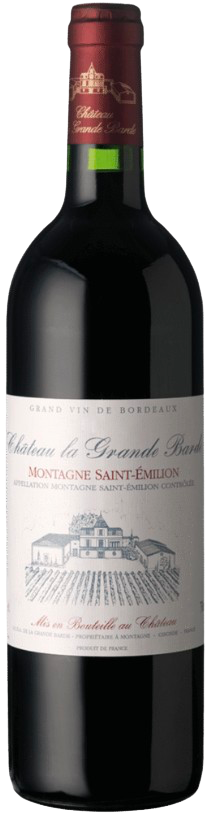
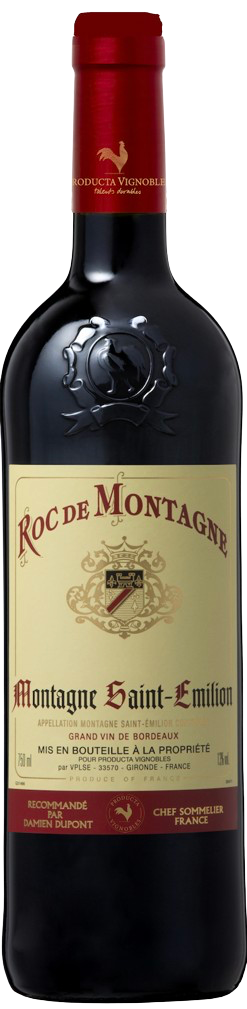
Montagne-Saint-Émilion wines on 1001caves
Detailed pages: the cuvée, the estate, the drinking window and the bottles for sale between collectors.