An appellation on a valley-wide scale
Recognised in 1937, the Côtes du Rhône AOC covers more than one hundred and seventy communes across six departments, from Vienne in the north to the outskirts of Avignon. With around thirty thousand hectares, it ranks just behind Bordeaux among French appellations by volume.
It forms the base of a pyramid: above come Côtes du Rhône Villages, then Villages with a geographical name, then crus such as Gigondas or Châteauneuf-du-Pape. A cru grower can downgrade a plot to Côtes du Rhône, explaining why wines of very different levels are found within the appellation.
From granite to pebbles
Across such an extent, there is no single terroir. In the north lie the Massif Central's granite slopes; in the south, rounded-pebble terraces, sandy safres, red clay and limestone scree. Climate changes too: continental upstream, clearly Mediterranean downstream, with the mistral as their common denominator.
This often-cursed wind keeps vineyards healthy by drying the foliage: it limits disease and supports organic viticulture, well established throughout the valley.
What to expect
Red, the vast majority of production, is based on Grenache: ripe red fruit, sweet spices, garrigue and supple tannins. Most are drunk within three years, but old-vine cuvées last much longer.
The minority of whites combines Grenache blanc, Clairette, Viognier and Roussanne for round, floral wines. Rosés, often lively and colourful, are drunk within the year. Serve reds around 16°C, whites and rosés at 10°C.
The grape varieties of Côtes du Rhône
Côtes du Rhône wines on 1001caves
Detailed pages: the cuvée, the estate, the drinking window and the bottles for sale between collectors.
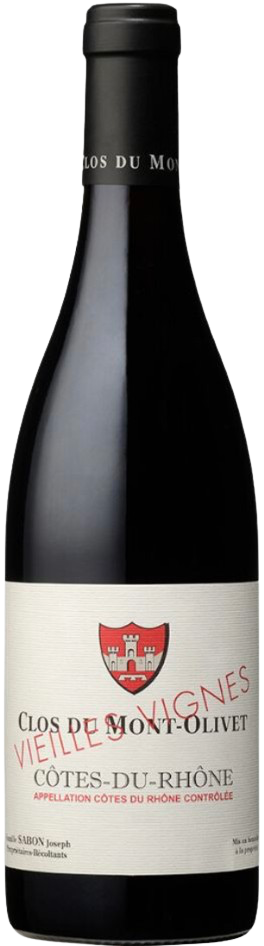 Clos du Mont-Olivet - Côtes du Rhône 2022Côtes du Rhône→
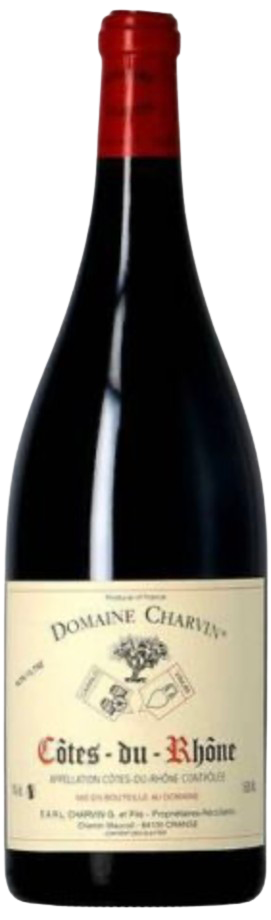 Domaine Charvin - Côtes-du-Rhône 2021Côtes-du-Rhône→
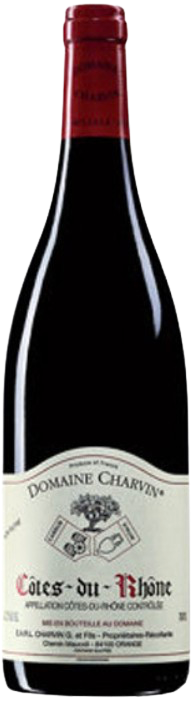 Domaine Charvin - Côtes-du-Rhône 2023Côtes-du-Rhône→
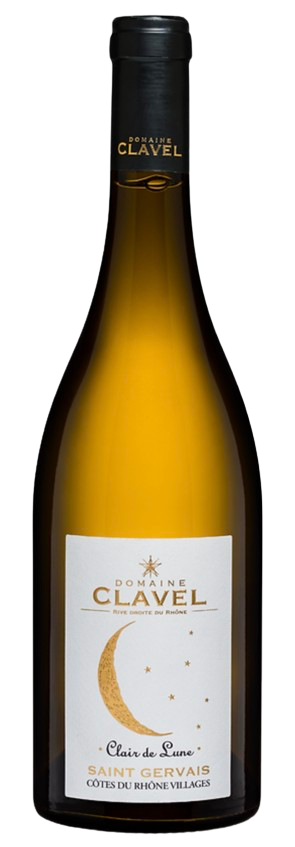 Domaine Claire Clavel - Clair de Lune, Côtes-du-Rhône-Villages 'Saint-Gervais' 2021Côtes-du-Rhône-Villages Saint-Gervais→
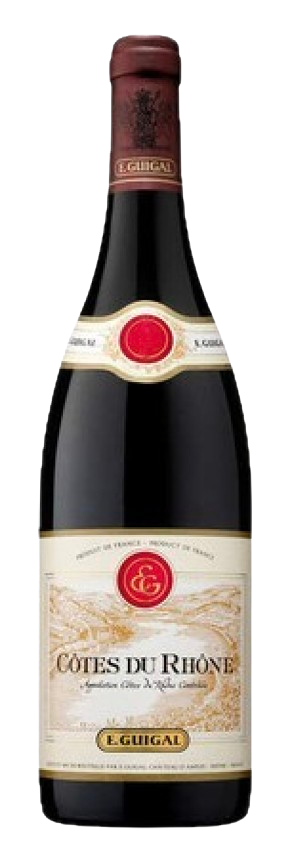 E. Guigal - Côtes du Rhône 2022Côtes du Rhône→
 E. Guigal 2023Côtes du Rhône Contrôlée→
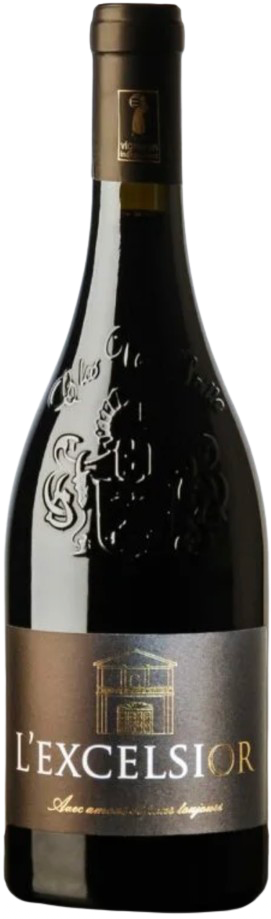 Famille Bonvin - L'EXCELSIOR 2024Côtes du Rhône→
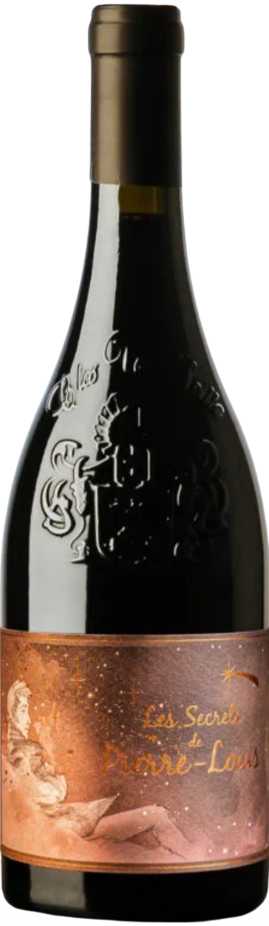 Famille Bonvin - Les Secrets de Pierre-Louis 2024Côtes-du-Rhône→
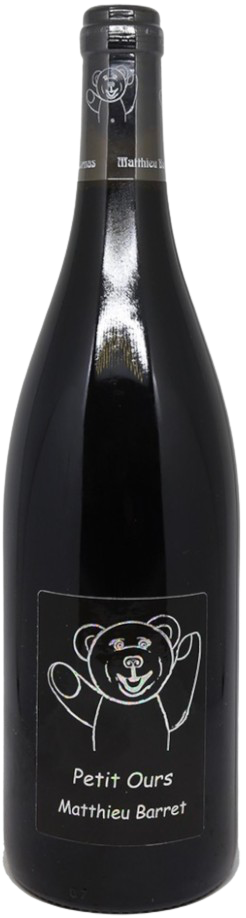 Matthieu Barret - Côtes-du-Rhône, Petit Ours 2024Côtes-du-Rhône→