The Fronsadais, a balcony over the Dordogne
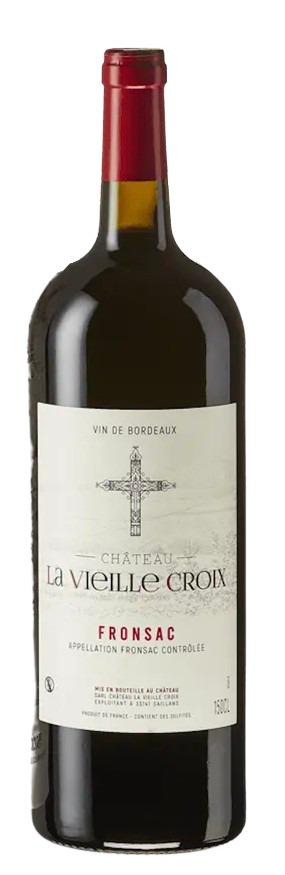
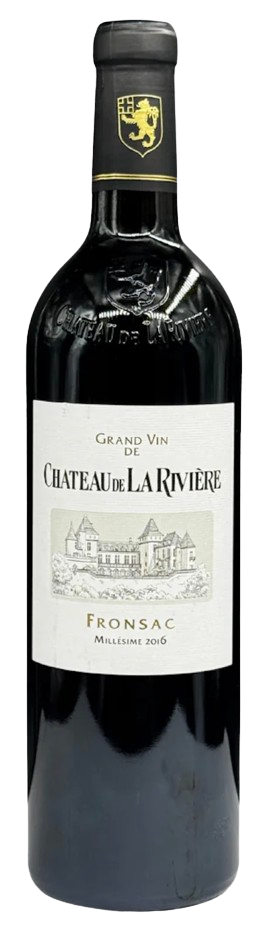
Fronsac unfolds across seven communes west of Libourne, in the Fronsadais, one of the districts of the Libournais. Together with its neighbour Canon-Fronsac, which occupies the finest limestone slopes, it forms a small vineyard of modest estates — seven hectares on average — but of great antiquity, once more renowned than many crus famous today.
The appellation was recognised by a decree of 1937. Its highly rugged relief, its hills and its combes make it one of the most picturesque wine landscapes of the right bank.
The terroir: calcaire à astéries and molasse
Fronsac owes its character to its clay-limestone soils and its relief. On the tertre of Fronsac and the plateaus, calcaire à astéries dominates — the same rock as on the Saint-Émilion plateau — while the slopes and combes are marked by the molasse of the Fronsadais. This diversity of relief and exposure heightens the typicity of the wines.
The vineyard also benefits from a favourable climate: framed by the Isle and the Dordogne, it is protected from spring frosts, and the presence of strawberry trees and holm oaks bears witness to this mildness — all conditions favourable to good ripeness.
The style of the wines: full-bodied and distinguished
As everywhere on the right bank, merlot dominates the blend, backed by cabernet franc and a little cabernet sauvignon. The result is wines with a deep ruby colour, aromas of red fruit lifted with spice and sometimes truffle, combining finesse and vivacity.
On the palate, fronsac wines show themselves full-bodied and distinguished, with a solid tannic backbone that marries richness and elegance. Wines from the great limestone terroirs fairly quickly take on beautiful topaz hues as they age: these are cellaring wines, to be served at 16 to 18°C, decanted for older vintages.
The grape varieties of Fronsac
Fronsac wines on 1001caves
Detailed pages: the cuvée, the estate, the drinking window and the bottles for sale between collectors.