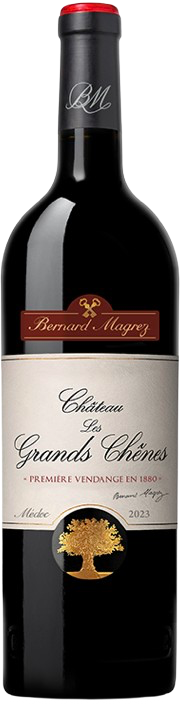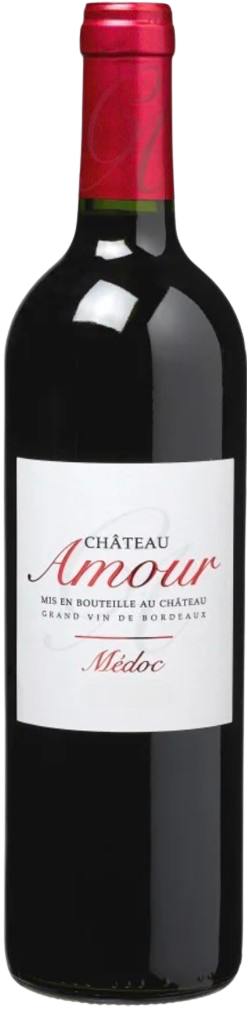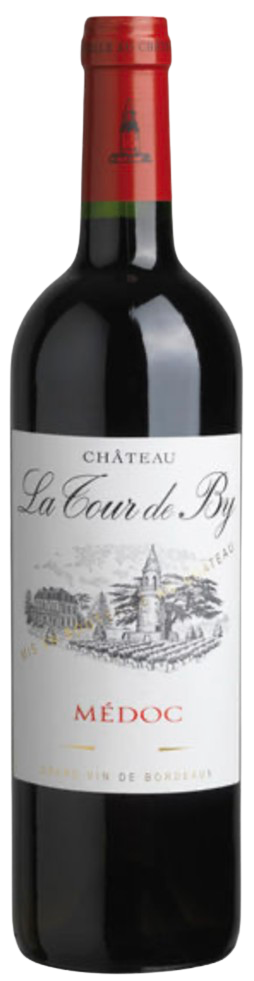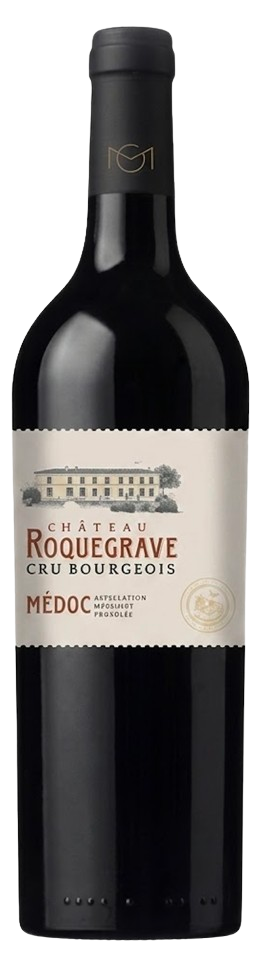
The northern Médoc, at the tip of the peninsula
The regional Médoc appellation corresponds essentially to the vineyard located north of Saint-Estèphe, while the Haut-Médoc appellation covers the southern half. It extends across some fifty communes as far as the tip of the peninsula, between the Gironde estuary and the Landes forest.
The name "Médoc" itself is steeped in history: theories trace it to the Latin in medio aquæ ("in the middle of the waters"), to Meduli litus ("between the two shores" of the sea), or to the pagus Medullicus, after the Gallic tribe of the Medulli. In every case, a land shaped by water.
Terroir: gravel facing the estuary
The region is flat, with very little relief. The vine is planted on Quaternary detrital alluvium — the famous gravel rises — separated by small drainage streams, the "jalles" (such as the Jalle de Blanquefort). These graves, a mix of gravel, pebbles and sand, are deposited in bands parallel to the estuary's shore.
Beneath the gravel, a clay-limestone subsoil surfaces only marginally. As throughout the Médoc, the terroir's strength is drainage: set on well-drained rises, the vines have little to fear from excess water. In the north of the peninsula, however, the deposits differ from those of the south, giving wines with a softer profile.
Climate and grape varieties
The climate is close to the reference oceanic climate (Bordeaux-Mérignac weather station). Notably, the Landes forest partly shields the vineyard from the ocean's direct effects; this protection, weaker in the north and increasing toward the south, contributes to the quality of the wines.
On these terroirs, cabernet sauvignon remains the most widely planted grape variety (from 30 to 85% depending on the property), prized for its thick skin, which resists rot, and its late ripening. Merlot, which ripens earlier, brings flesh and suppleness; cabernet franc, petit verdot and côt round out the blend more marginally.
Wine style: forthrightness and accessibility
The regional Médoc is recognized by its bright garnet color and a forthright, incisive nose of red fruit (redcurrant) layered with cooked fruit, then cocoa bean, spice and cedar. The palate is powerful yet fine-tannined, with grain and a finish of undergrowth and licorice; with age, animal and roasted notes appear.
These are wines that can be drunk from the second year and kept for five to ten years — more accessible and often more affordable than those of the Haut-Médoc. Served between 15 and 17°C, they pair with lamb, grilled entrecôte, roast poultry and pressed cheeses (cantal, Saint-Nectaire). This is the playing field of the cru bourgeois estates.
The grape varieties of Médoc
Médoc wines on 1001caves
Detailed pages: the cuvée, the estate, the drinking window and the bottles for sale between collectors.