A Schist Plateau Facing the Loire
Downstream of Angers, on the right bank of the Loire, Savennières spans three communes. It is one of Anjou's historic grands crus, alongside the sweet wines of Quarts de Chaume and Bonnezeaux, but in an entirely dry register — a rare case for so renowned a terroir.
The Terroir: Schist, Rhyolite and Exposure
The vineyard occupies a schist plateau fissured by lava flows, forming slopes well exposed to the river. The shallow soils blend sandstone-rich schist, volcanic rhyolite seams and wind-blown sands. A semi-oceanic climate, in which storms are often deflected to the opposite bank, completes these ideal conditions for a concentrated, mineral Chenin.
The Style of the Wines
Savennières is a dry white of great breeding: taut, structured, richly aromatic (quince, flowers, honey, flint), it can seem austere in its youth before blossoming. It reaches maturity around five years and cellars for fifteen years and beyond. The Clos de la Coulée de Serrant, a monopole nestled within the appellation, is its most legendary expression.
The grape varieties of Savennières
Savennières wines on 1001caves
Detailed pages: the cuvée, the estate, the drinking window and the bottles for sale between collectors.
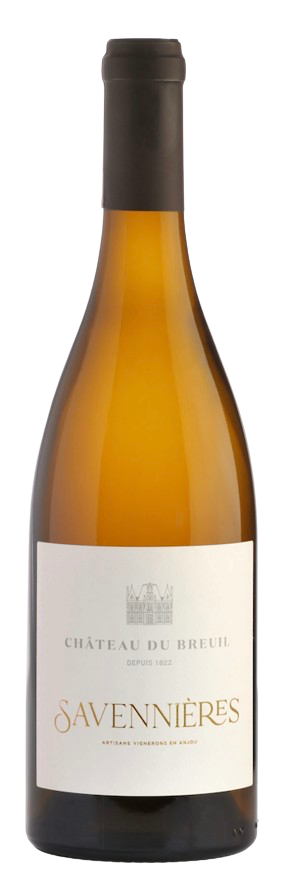 Château du Breuil - Savennières, Anjou 2020Savennières→
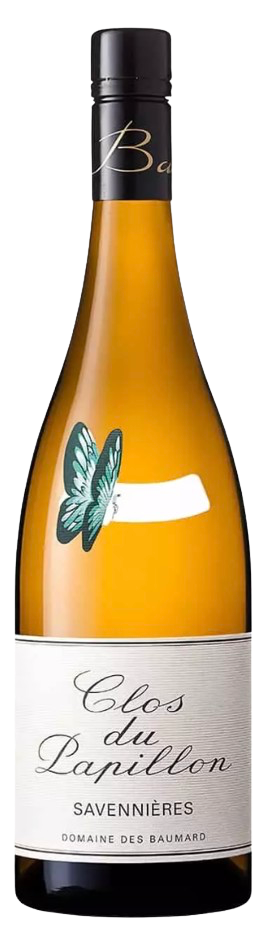 Domaine des Baumard - Savennières, Clos du Papillon 2020Savennières→
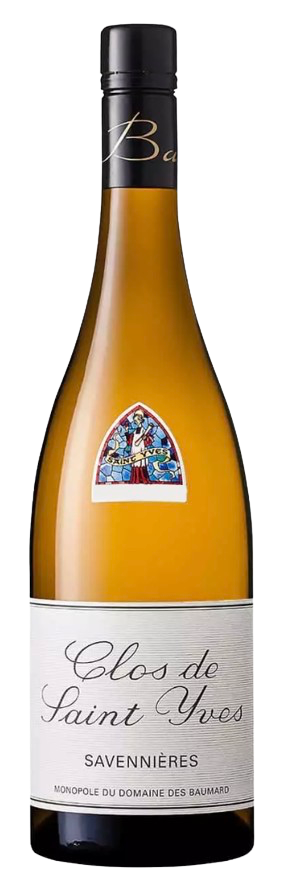 Domaine des Baumard - Savennières, Clos Saint Yves 2020Savennières→
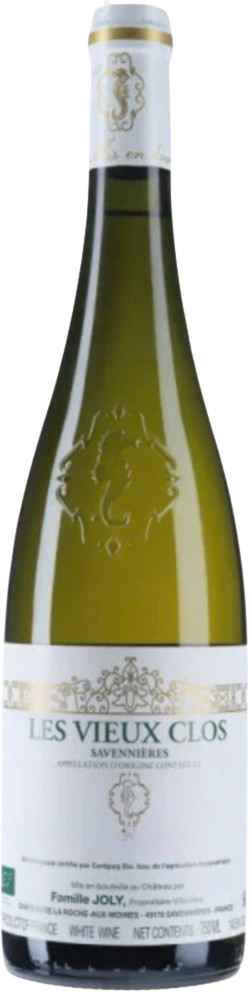 Famille Joly - Les Vieux Clos 2023Savennières→
 Philippe Socheleau - Éole, Savennières 2024Savennières→
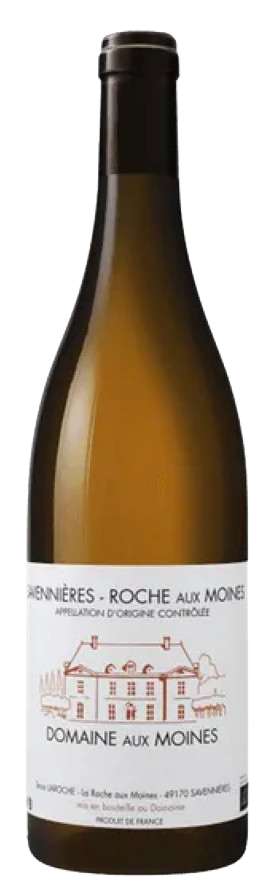 Domaine Aux Moines - Savennières, Roche aux Moines 2022Savennières-Roche aux Moines→
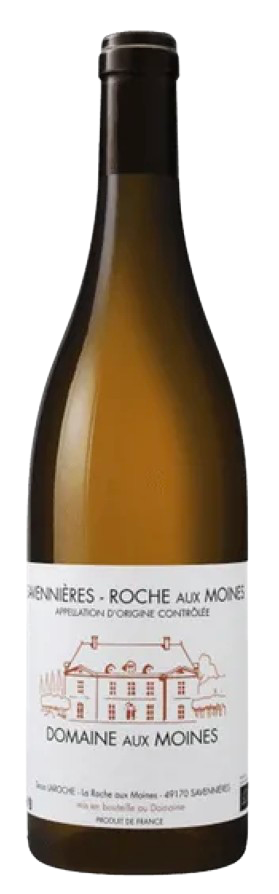 Domaine Aux Moines - Savennières, Roche aux Moines 2023Savennières-Roche aux Moines→