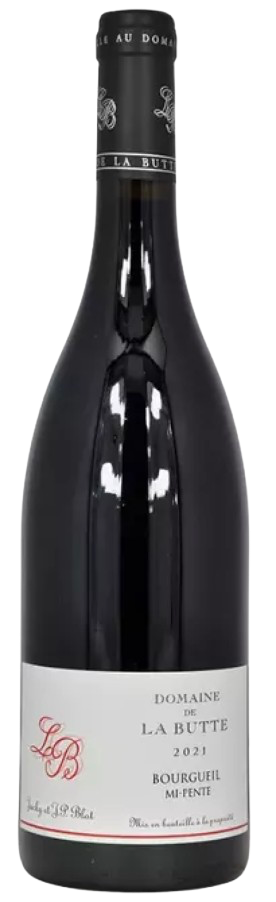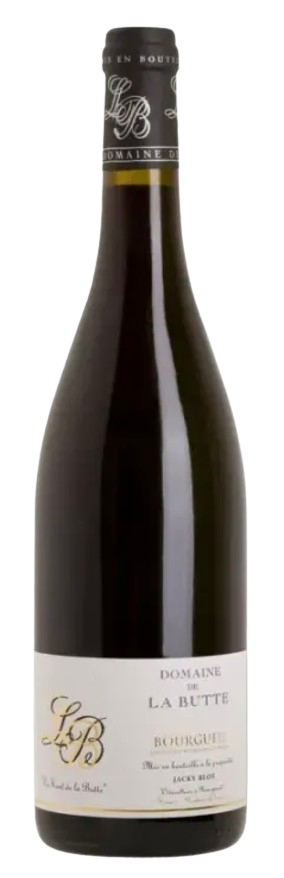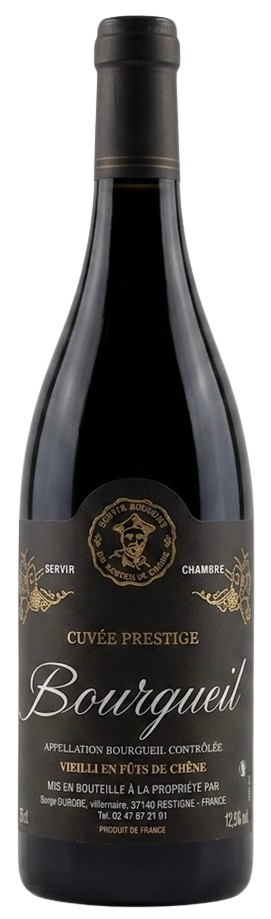
Backed by the forest, facing the Loire
Bourgueil unfolds across seven communes in Indre-et-Loire, west of Tours, on the right bank of the Loire, on the border with Maine-et-Loire. The vineyard rests on a hillside sheltered to the north by the forest of Bourgueil, a shelter that favours the ripening of Cabernet Franc. The appellation is almost exclusively red.
The terroir: low terrace and tuffeau slopes
The vineyard is split roughly evenly between the low terrace — gravel, sand and clay along the Loire — and the tuffeau hillsides, the region's soft limestone, with stony patches and limestone slopes backed against the forest. The gravels give supple, fruity wines, ready young; the tuffeau slopes give denser, more structured wines, made for ageing.
The style of the wines
Brilliant purple in colour, Bourgueils from gravel show morello cherry and strawberry, with a supple, easy-flowing palate, to be drunk within two to five years (served around 14°C). Those born on tuffeau chalk evolve towards ripe raspberry, liquorice and spice, then leather and roasted notes with age, on a fleshy palate that keeps for three to ten years (served around 17°C).
The grape varieties of Bourgueil
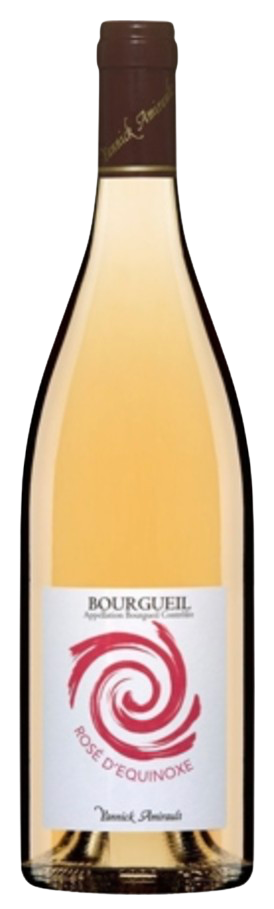
Bourgueil wines on 1001caves
Detailed pages: the cuvée, the estate, the drinking window and the bottles for sale between collectors.