The northernmost vineyards
Wine-growing Champagne extends across around three hundred and twenty communes, mainly in Marne and Aube. At this latitude vines are at the limit of ripening: grapes retain high acidity, a flaw elsewhere but here the raw material of effervescence.
The appellation was delimited in the early twentieth century after sometimes violent conflicts between Marne and Aube. Its legal protection is now among the most vigorously defended in the world.
Chalk
Champagne's subsoil is a vast chalk bed formed from the skeletons of marine microorganisms. This porous rock holds water and releases it slowly to vines in summer while draining excess. It also stores heat and regulates the temperature of cellars dug directly into the rock.
The entirely chalky Côte des Blancs is Chardonnay's domain; the more clay-rich Montagne de Reims belongs to Pinot noir; the heavier marls of the Vallée de la Marne to Meunier.
Method and blending
The still, acidic base wine is bottled with a tirage liqueur that triggers a second fermentation, trapping the gas produced. Bottle ageing follows for at least fifteen months, including at least twelve on lees, for non-vintage brut; at least three years for vintage wine, before disgorgement and dosage.
Blending is the other pillar: most Champagnes combine several varieties, crus and years to reproduce a house style irrespective of vintage. Serve at 8–10°C: too cold and the bubbles become tight and aromas disappear.
The grape varieties of Champagne
Champagne wines on 1001caves
Detailed pages: the cuvée, the estate, the drinking window and the bottles for sale between collectors.
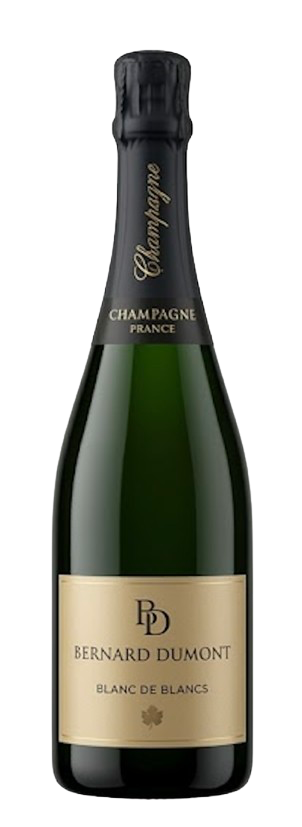 Bernard Dumont - Champagne, Blanc de Blancs 2025Champagne→
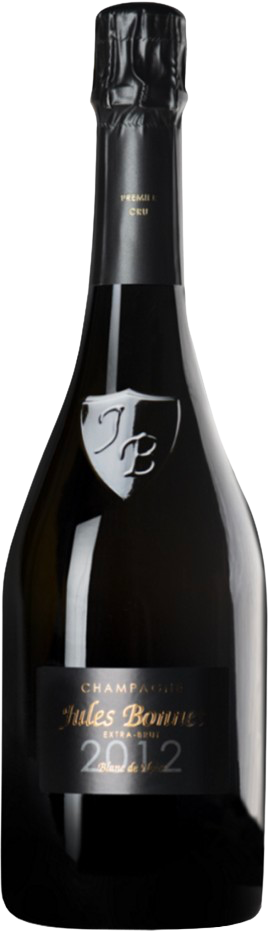 Bonnet-Ponson - Champagne 1er Cru, Blanc de Noirs 2012Champagne→
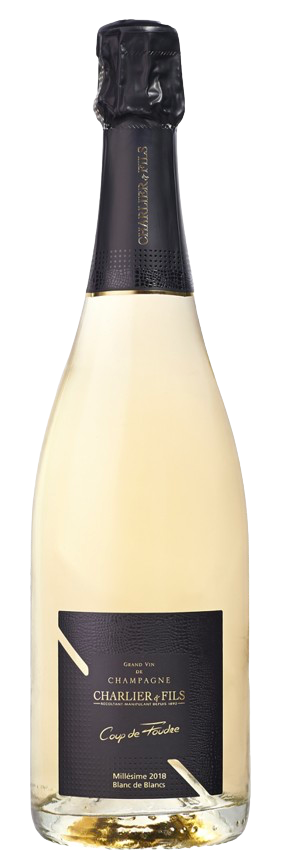 Champagne Charlier & Fils - Cuvée coup de foudre 2018Champagne→
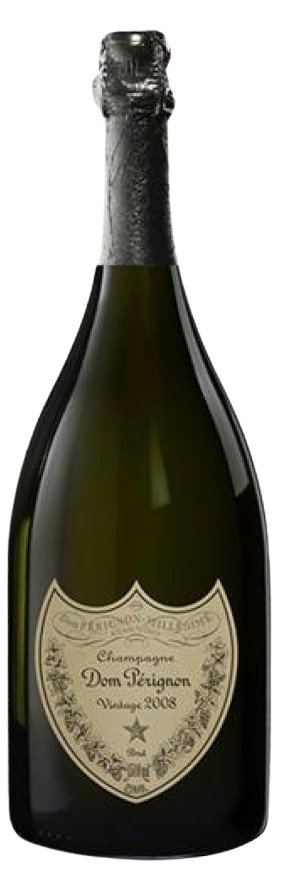 Champagne Dom Pérignon Vintage 2008 2008Champagne→
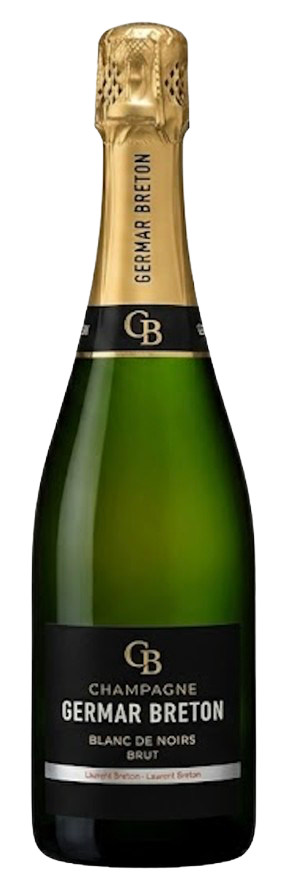 Germar Breton - Champagne, Blanc de Noirs 2023Champagne→
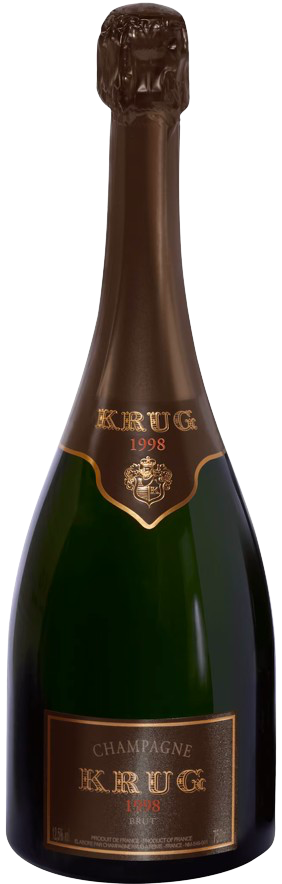 Krug, Vintage Brut 1998Champagne→
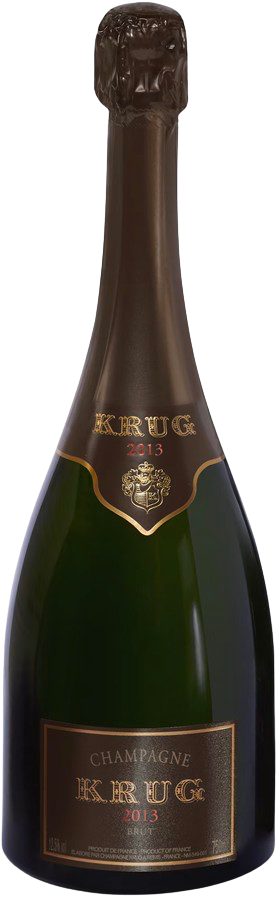 Krug, Vintage Brut 2013Champagne→