The birthplace of Bordeaux wine
The Graves region extends south of Bordeaux, over a band some fifty kilometres long bordered to the east by the Garonne, from the Bordeaux suburbs to Langon. It is the oldest vineyard in the Bordeaux region: it was here, at Haut-Brion, that the concept of the great château wine was born in the 17th century, well before the Médoc.
Since 1987, its northern and most prestigious part has formed the Pessac-Léognan appellation; the Graves appellation covers the rest, from Portets to Langon, and produces both red and dry white wine.
The terroir: the soil that gave it its name
The name comes from the soil itself: the 'graves' (from the Gascon gravas) are deposits of gravel and pebbles mixed with sand and clay, carried by the Garonne and laid down in terraces over successive glaciations. These poor, well-drained soils force the vine to draw water from deep down; by day, the pebbles store heat which they release at night, favouring fine ripening.
Reds and whites, two faces
In red, the blend of merlot and cabernet sauvignon (with a little malbec and petit verdot) gives ruby-robed wines of pedigree and elegance. In dry white, sémillon and sauvignon compose highly aromatic, lively and fragrant wines. It is this red/white duality that defines the Graves signature.
The Graves growths classification, drawn up in 1953 and completed in 1959, distinguished sixteen growths in red and/or white; all now fall within the Pessac-Léognan appellation, Château Haut-Brion being the only Graves growth retained as early as 1855.
The grape varieties of Graves
Graves wines on 1001caves
Detailed pages: the cuvée, the estate, the drinking window and the bottles for sale between collectors.
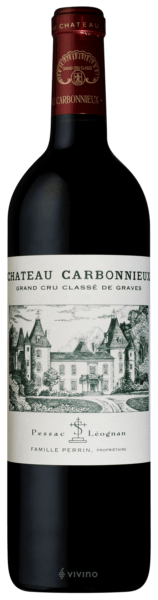 Château Carbonnieux 1976Grand Cru Classé de Graves · graves→
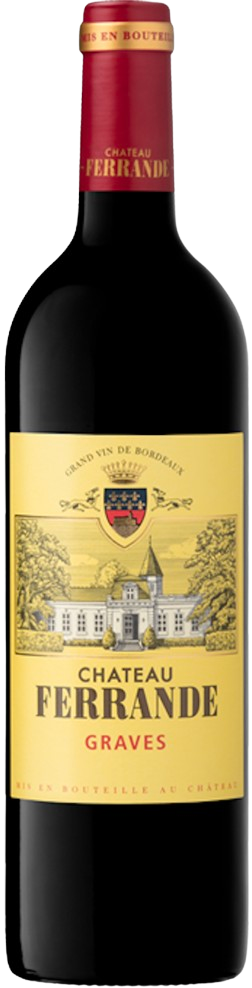 Château Ferrande 2016Graves→Château Ferrande Graves 2022Graves→
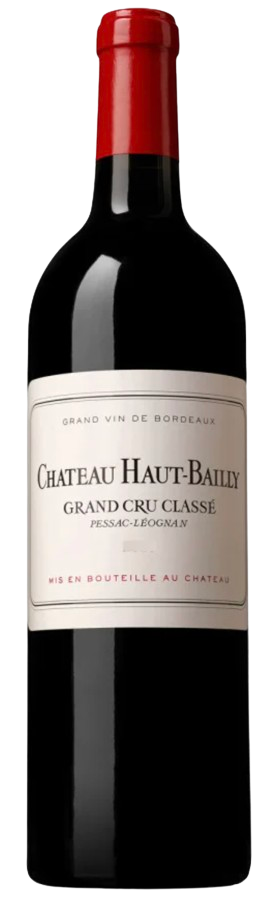 Château Haut-Bailly 1976Grand Cru Classé de Graves · Graves→
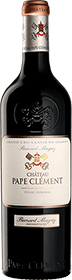 Château Pape Clément 1955Grand Cru Classé de Graves · graves→
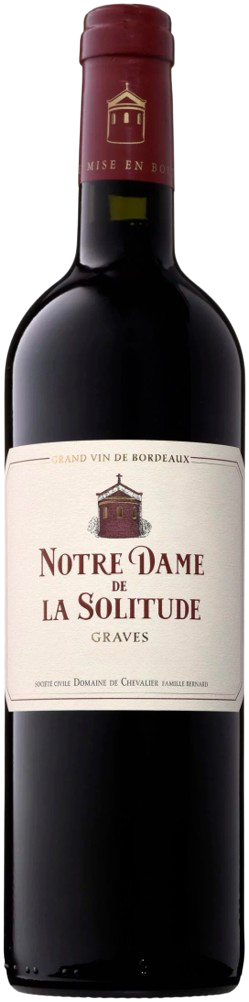 Domaine de la Solitude - Notre dame de la Solitude 2023Graves→
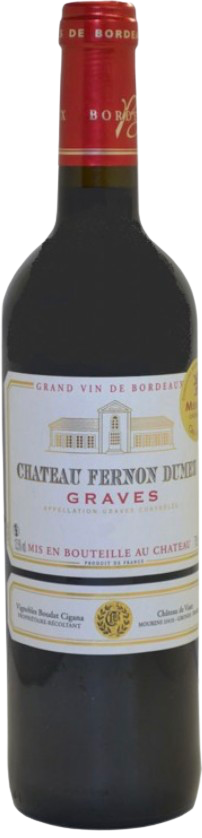 Vignobles Boudat Cigana - Château Fernon Dumez 2021Graves→