At the Hinge between the Côte de Beaune and the Côte Chalonnaise
Rully occupies a single commune of Saône-et-Loire, about fifteen kilometres north-west of Chalon-sur-Saône and four kilometres south of Chagny. With its neighbour Bouzeron it is the northernmost appellation of the Côte Chalonnaise: you have barely left Santenay and the Maranges before you enter it. The château de Rully, built in the fourteenth and sixteenth centuries, overlooks a vineyard described as "bean-shaped", spread across some 340 hectares.
The Côte Chalonnaise here has nothing of the continuous line of the Côte d'Or. It is a broken escarpment, cut up by transverse valleys, with slopes facing in various directions and set at generally higher altitudes. No Grand Cru has ever been recognised here — which, for the wine lover, is less a verdict on quality than an opportunity: at Rully, value for money remains one of Burgundy's strongest arguments.
The Terroir: Clay-Limestone on the Jurassic Beds
Rully's soils are predominantly clay-limestone, on a relief whose escarpment is moderate to gentle depending on the spot — far softer than the severe slope of the neighbouring val de Bouzeron. That relative gentleness partly explains the generosity of the wines: chardonnay finds here what it needs to build richness and volume, where the steepest slopes of the Côte Chalonnaise give tauter wines.
The north of the Côte Chalonnaise offers, within a few kilometres, a fine cross-section of the Burgundian Jurassic: the Oxfordian limestones (Rauracian facies, oolitic and gravelly) cap, at tectonic contacts, the Callovian dalle nacrée and then the thick beds of the Upper Bathonian, with intercalated marl layers that outcrop along the edge of the slope. It is these alternations of hard limestones and clayey marls, more or less stony depending on position on the slope, that explain why at Rully white and red share the hillside almost parcel by parcel.
Climate: Continentality, the Bise and Spring Frosts
The climate is temperate with a slight continental tendency: cold winters, hot summers, a wide range between the two seasons. Rainfall is irregular, May being the wettest month, and the bise blows for part of the year. Late frosts remain broadly infrequent across the appellation, even if certain lieux-dits have a reputation for frost; hailstorms, on the other hand, can strike hard, as in July 2011 when the vineyard was devastated in places.
At Rully, chardonnay breaks bud a little before pinot noir, which makes it more exposed to spring frosts. Both varieties ripen in the first period. Chardonnay reaches high sugar levels here while retaining substantial acidity — exactly the profile that gives balanced, powerful, broad whites, and also what historically made the value of Rully's base wines for sparkling production.
The Cradle of the Traditional Method in Burgundy
Rully is among the cradles of crémant de Bourgogne, along with Nuits-Saint-Georges and Tonnerre. In the nineteenth century, public taste for sparkling wine exploded and the village, already known for its whites and reds, imported Champenois know-how. In 1822, Fortuné Joseph Petiot-Groffier, mayor of Chalon-sur-Saône and owner of vines at Rully, brought in an eighteen-year-old from Champagne, François Basile Hubert. The wine of Rully proved remarkably well suited to taking the mousse, and the first trials were conclusive.
From 1826, the Petiot brothers marketed this wine under the name "Fleur de Champagne Qualité Supérieure" — a designation later banned. In 1830, François Basile Hubert set up on his own and founded at Rully the first house specialising in the making of sparkling wines in Burgundy. The village has remained a capital of the Burgundian bubble: several of the great crémant houses are still based there. Since 1975, the word "crémant" has been reserved for sparkling wines from AOCs other than champagne, necessarily made by the traditional method.
The Style of the Wines: Two Colours, Two Pleasures
The whites, in the majority, open on a nose of acacia and honeysuckle. They are fairly full-bodied, round and caressing on the palate, often aged on the lees with stirring, which accentuates the richness. They are served between 9 and 12°C with fish, warm shellfish, poultry or cooked-curd cheeses — and they also make very good aperitifs. They drink from two to eight years.
The reds, exclusively pinot noir, are fleshy, with fruity and animal nuances and moderate tannins. Aged twelve to twenty-four months in barrel or tank, they are served between 14 and 17°C and keep happily for three to six years, longer for the Premiers Crus. They call for roast poultry or poultry in sauce and for offal — liver, sweetbreads, kidneys. By volume, the appellation produces about twice as much white as red, a notable share of it Premier Cru.
History and Premiers Crus
The Romans introduced the vine to Rully; the abbey of Cluny, founded in 909, then shaped the Chalonnais vineyard. In 1347, an outbreak of plague pushed the inhabitants to rebuild the village at the foot of the hills, as close as possible to the vines. In 1629, the aldermen of Chalon offered twenty-two feuillettes of Rully wine to Louis XIII as he passed through. The nineteenth century was brutal: grape moth, powdery mildew, downy mildew and then phylloxera. Rully still had 600 hectares in 1895; by 1945, after phylloxera and two world wars, only 90 remained. The appellation itself was created in 1939.
The vineyard has been rebuilt and today counts twenty-three climats ranked Premier Cru. Among the best known: Les Grésigny, Rabourcé, Raclot, Les Margotés, Les Cloux, Le Meix Cadot, Vauvry, Les Préaux, Molesme, Marissou, Pillot, Les Montpalais, La Pucelle, La Bressande, Clos Saint-Jacques and Agneux. The village-level climats also carry fine names — La Bergerie, Les Crays, La Chaume, Varot, Chaponnière. The village has twice hosted the Saint-Vincent tournante, in 1971 and in 1998.
The grape varieties of Rully
Rully wines on 1001caves
Detailed pages: the cuvée, the estate, the drinking window and the bottles for sale between collectors.
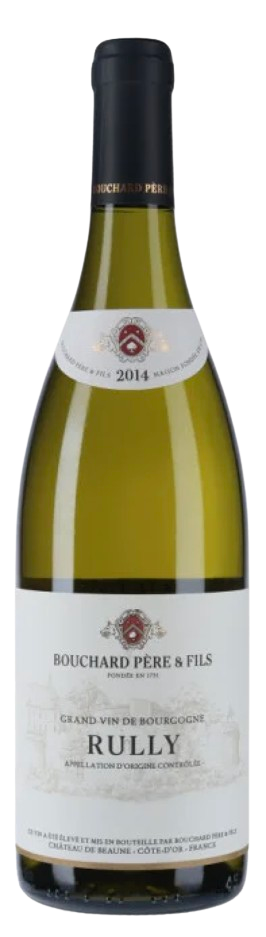 Bouchard Père & Fils - Rully 2016Rully→
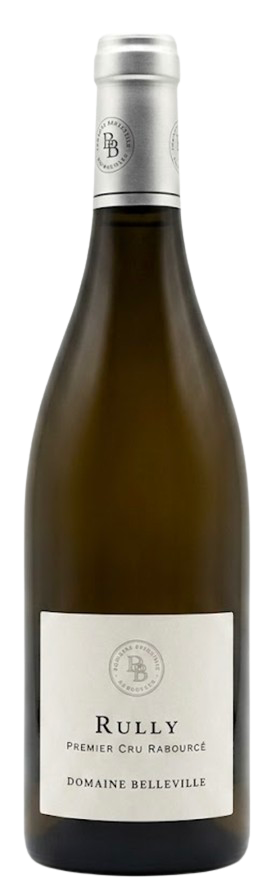 Domaine Belleville - Rabource, Rully Premier Cru 2020Rully→
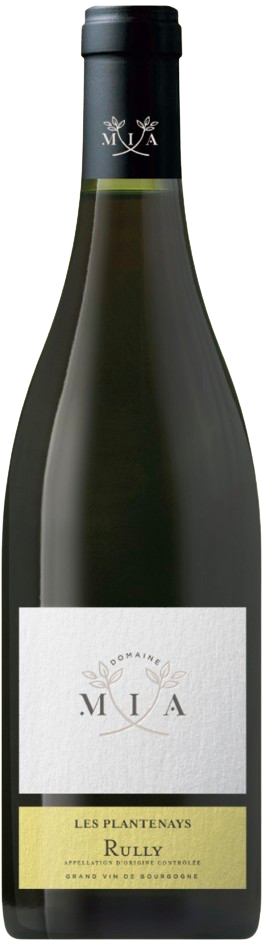 Domaine MIA - Les Plantenays 2022Rully AOC→
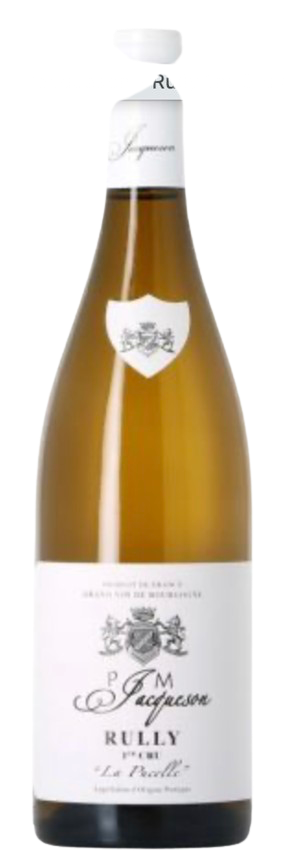 Domaine Paul et Marie Jacqueson - Rully Premier Cru, La Pucelle 2022Rully→
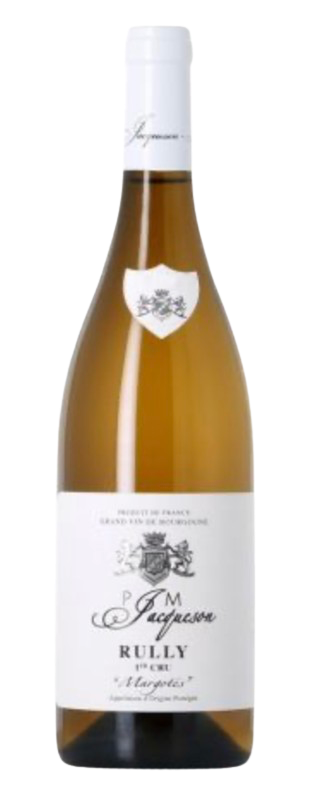 Domaine Paul et Marie Jacqueson - Rully Premier Cru, Margotes 2022Rully→
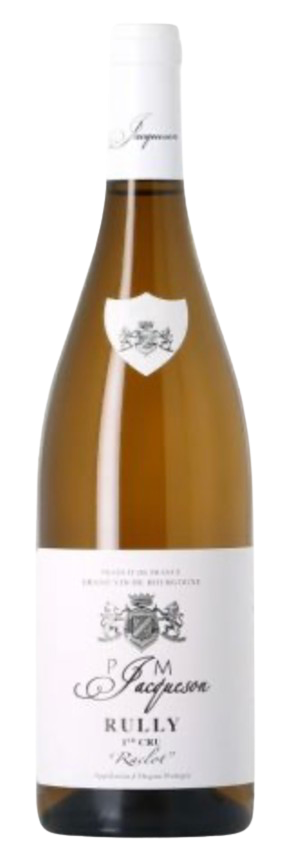 Domaine Paul et Marie Jacqueson - Rully Premier Cru, Raclots 2022Rully→
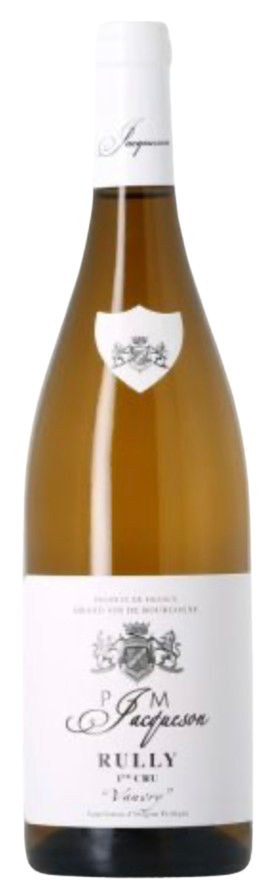 Domaine Paul et Marie Jacqueson - Rully Premier Cru, Vauvry 2022Rully→
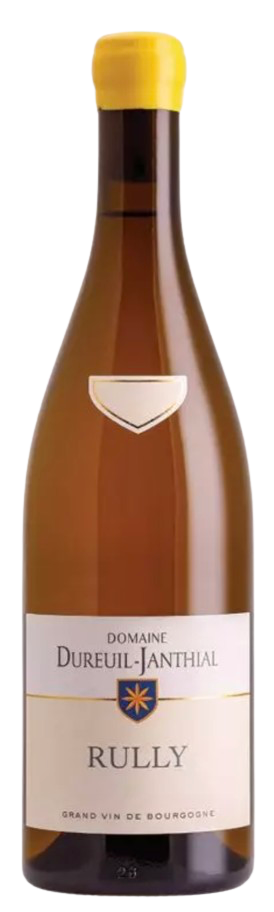 Vincent Dureuil Janthial - Rully, Blanc 2022Rully→
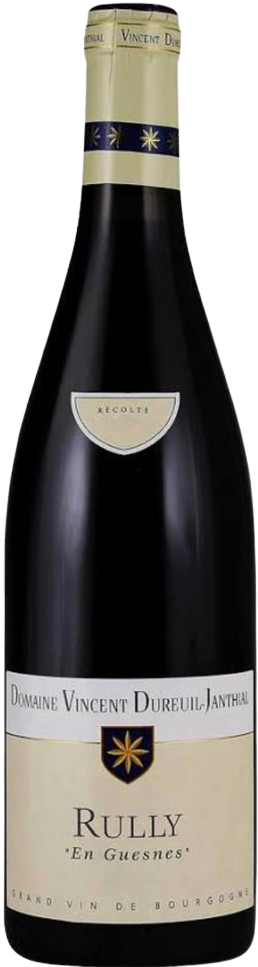 Vincent Dureuil Janthial - Rully, En Guesnes 2022Rully→
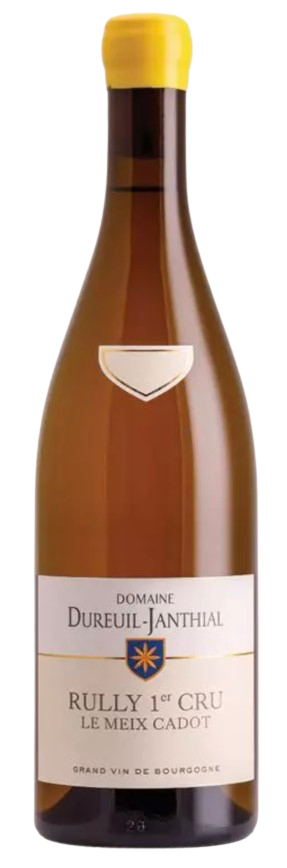 Vincent Dureuil Janthial - Rully Premier Cru, Le Meix Cadot 2020Rully→
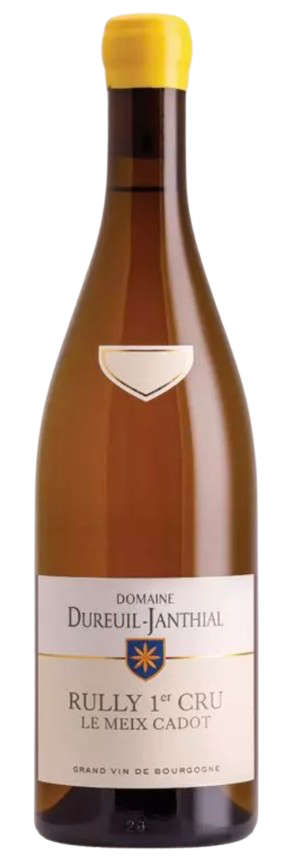 Vincent Dureuil Janthial - Rully Premier Cru, Le Meix Cadot 2022Rully→
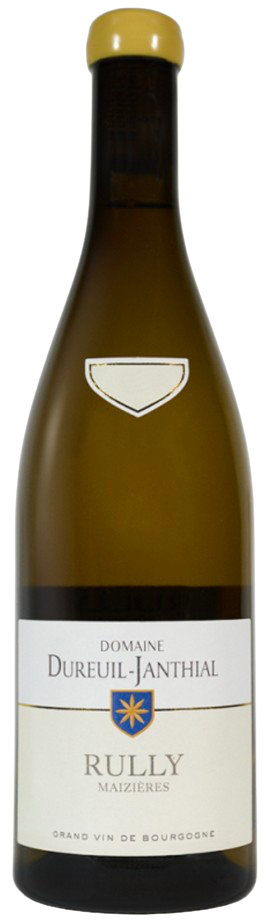 Vincent Dureuil Janthial - Rully, Maizieres Blanc 2022Rully→
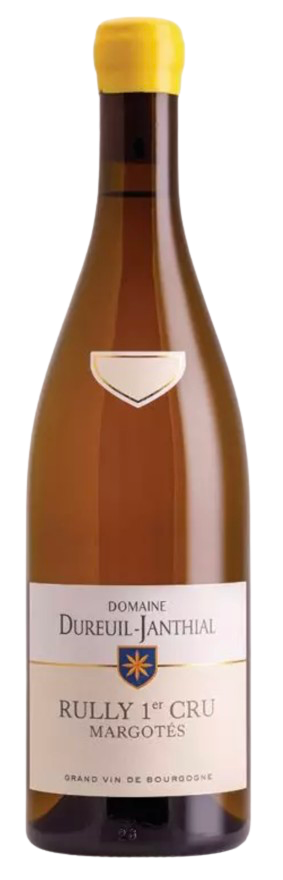 Vincent Dureuil Janthial - Rully Premier Cru, Margotes 2022Rully→