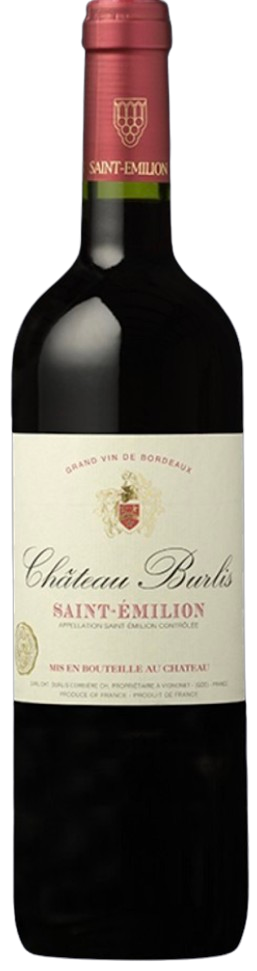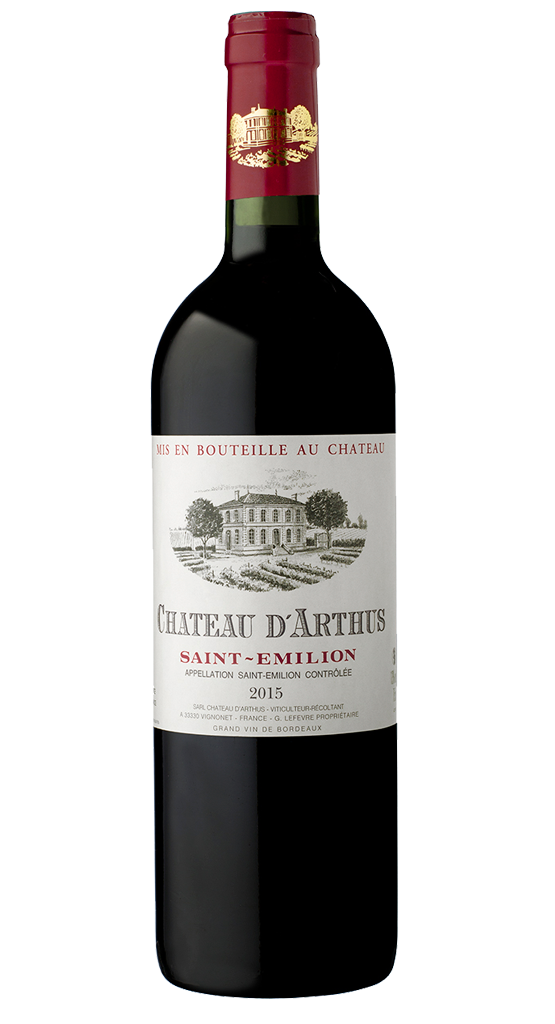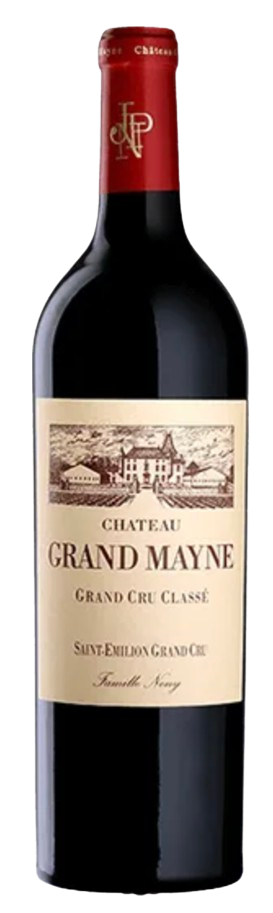
Saint-Émilion, heart of the Libournais
On the right bank of the Dordogne, around its famous medieval town, Saint-Émilion extends across eight communes and part of Libourne. It is a vineyard steeped in history: France's first wine-growers' union was founded here, and the "jurisdiction of Saint-Émilion" — a cultural landscape of vines, churches and quarries — has been listed as a UNESCO World Heritage Site since 1999.
Since 1989, under the effect of European law on the delimitation of production areas, the former patchwork of appellations has been reduced to two: saint-émilion and saint-émilion grand cru, the latter imposing stricter production rules.
The terroir: limestone as backbone
Saint-Émilion occupies a plateau cut by small valleys, and its geology accounts for all its richness. The summits are capped with an Oligocene (Rupelian) calcaire à astéries, ten to fifteen metres thick and marly at its base: this is the famous "Saint-Émilion stone," which built the town and beneath which the cellars are dug. On this plateau and its edges arise the deepest and most cellar-worthy wines.
The slopes, or "côtes," combine carbonated green clays and sands, before giving way, further down, to the molasse of the Fronsadais. Finally, to the south and west — towards Pomerol — the appellation descends a series of sandy and gravelly terraces. This diversity of soils, from limestone to gravel, explains the range of styles from one château to another.
The blend: the reign of merlot
Unlike the Médoc, it is merlot that dominates here, accounting for around 60% of the blend. Early-ripening and generous, it thrives on clay and cool limestone soils, giving flesh, roundness and fruitiness. Cabernet franc — locally known as "bouchet" — represents close to 30% and brings aroma, finesse and a structuring backbone.
Cabernet sauvignon, later-ripening, completes the blend at around 10%, on the warmest sectors. This trio, modulated according to the soils, accounts for the full subtlety of Saint-Émilion blends.
Style and classification
Saint-émilion wines are generous, velvety reds, with ripe fruit in their youth, which gain notes of truffle and undergrowth with age. Wines from the limestone plateau, more taut, stand out for their freshness and longevity; those from the sandy and gravelly terraces charm with their silkiness.
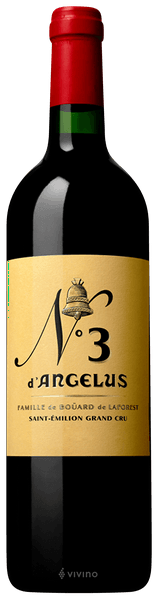
Saint-Émilion has its own classification, created in 1955 and revised periodically — a unique case in Bordeaux — which distinguishes premiers grands crus classés and grands crus classés. At the pinnacle of the appellation stand names such as Cheval Blanc, Ausone, Figeac, Pavie and Angélus, each expressing in its own way the diversity of Saint-Émilion's terroirs.
The grape varieties of Saint-Émilion
Saint-Émilion wines on 1001caves
Detailed pages: the cuvée, the estate, the drinking window and the bottles for sale between collectors.