A regional appellation embracing the village appellations
Haut-Médoc occupies the southern half of the Médoc vineyard — the regional Médoc appellation covering the northern half. It extends across twenty-nine communes, from the northern outskirts of Bordeaux to beyond Saint-Estèphe, bordered to the east by the Gironde estuary and to the west by the Landes forest.
Its distinctive feature: it encloses the six great village appellations of the Médoc (Margaux, Moulis, Listrac, Saint-Julien, Pauillac, Saint-Estèphe). Haut-Médoc is therefore everything else — the terroirs that carry the spirit of the Médoc without the benefit of a village name, making it an appellation that is both vast and remarkably diverse.
Terroir: diversity as signature
Across such an expanse, there is not one terroir but many. The common thread remains gravel — graves deposited in bands parallel to the estuary, carved into well-drained gravel rises where the vine takes hold. But the subsoil varies considerably: Oligocene clay-limestone and marl to the north (around Vertheuil, Saint-Sauveur, Cissac, Saint-Laurent), and Eocene limestone and sandstone further north still.
Elsewhere, gravel spreads alternate with sandy layers and, in valley bottoms and near the estuary, clay-sand soils. At the southern tip (Macau, Ludon, Parempuyre), the "argiles de Mattes" — clays from former marshland — are, however, unsuited to quality winegrowing. This mosaic explains the variety of styles: each Haut-Médoc estate expresses first and foremost its own patch of terroir.
Grape varieties and climate: the Médoc school
Haut-Médoc's temperate oceanic climate is that of the whole vineyard, moderated by the estuary. On the gravel rises, cabernet sauvignon dominates — from 30 to 85% depending on the property — prized for its thick skin, which resists rot, and its late ripening, which the Médoc's long autumn brings to perfection.
Merlot, which ripens earlier, brings flesh and suppleness and makes the wines more approachable when young; cabernet franc and, in small touches, petit verdot round out the palette. Planting density, at least 6,500 vines per hectare, rises to 8,000–10,000 at most classified châteaux, a guarantee of concentration.
Wine style: the Médoc spirit, made accessible
Haut-Médoc offers an accessible reading of the Médoc style. The color ranges from garnet to almost black with violet highlights; the nose mingles black and red fruit, leather, sweet spice and, when aged in new oak, toasted and vanilla notes. Young, the wine can be tannic and a little austere.
Merlot-rich blends are readily enjoyed after a few years; those dominated by cabernet sauvignon need at least eight years and hold a potential of some fifteen years. Decanting for one to two hours softens young bottles; they are served at room temperature, with meats and cheeses.
Five classified growths and a wealth of cru bourgeois estates
Haut-Médoc has no first growth, but five properties classified in 1855: Château La Lagune (third growth, in Ludon-Médoc), Château La Tour Carnet (fourth growth, in Saint-Laurent-Médoc), and three fifth growths — Belgrave, Camensac and Cantemerle.
Its true wealth, however, lies elsewhere: Haut-Médoc concentrates a profusion of cru bourgeois estates — more than eighty properties classified in the 2003 selection, including around thirty cru bourgeois supérieur — joined by cru artisan estates. It is this abundance that makes the appellation the best value for money for tasting the spirit of the Médoc.
The grape varieties of Haut-Médoc
Haut-Médoc wines on 1001caves
Detailed pages: the cuvée, the estate, the drinking window and the bottles for sale between collectors.
 Bernard Magrez - La Tour Carnet 20204ème Grand Cru Classé · Haut-Médoc→
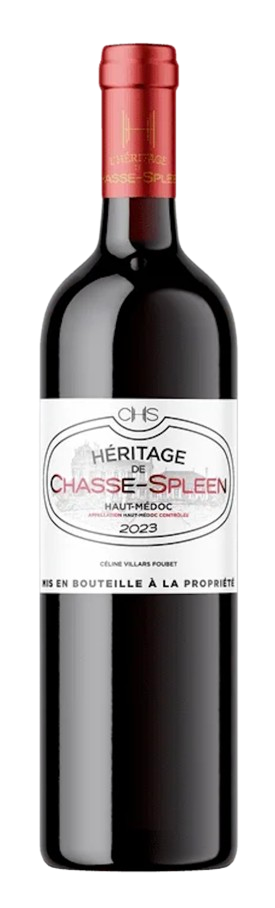 Céline Villars Foubet - Héritage de Chasse-Spleen 2023Haut-Médoc→
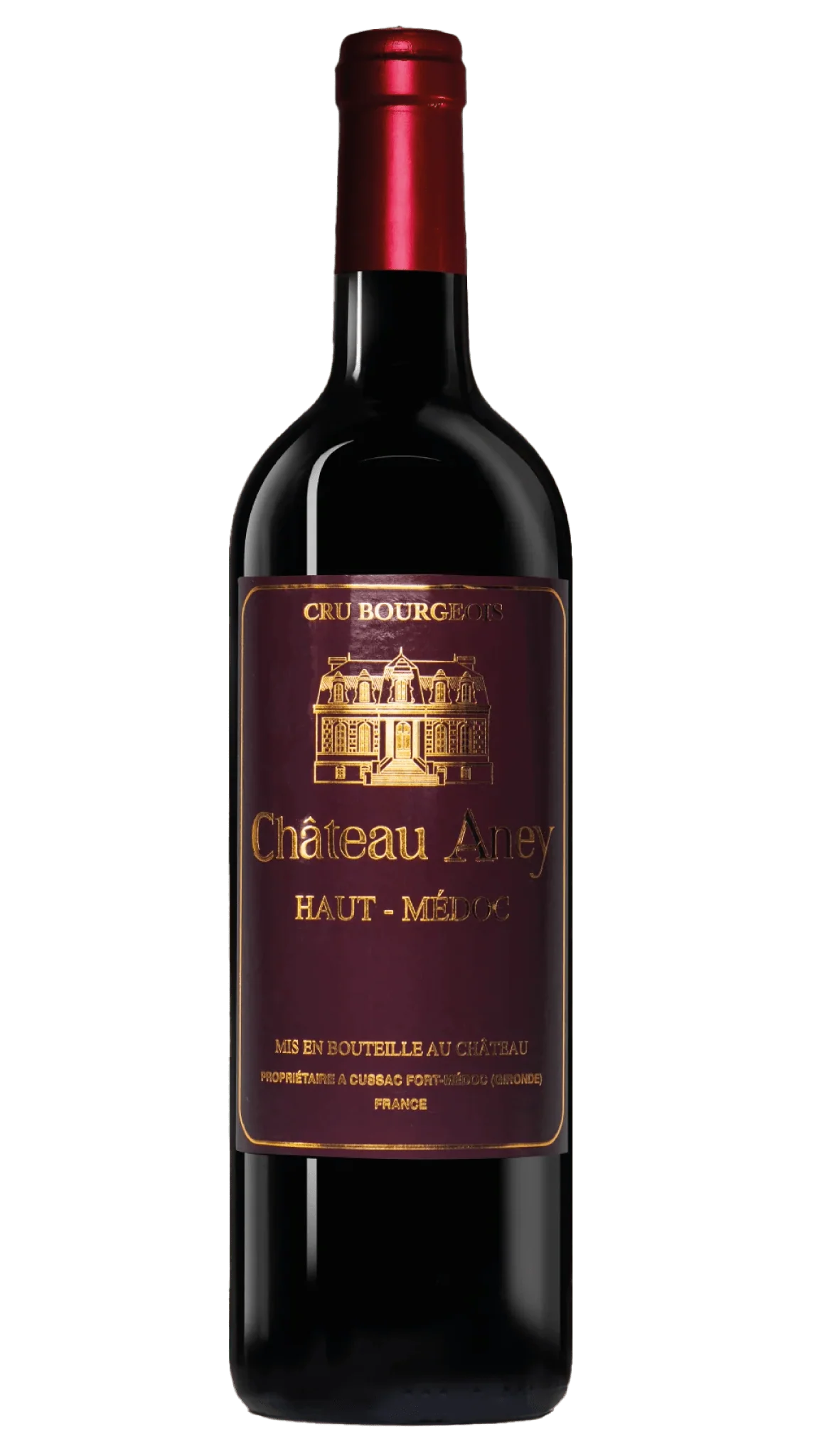 Château Aney 2011Haut-Médoc→
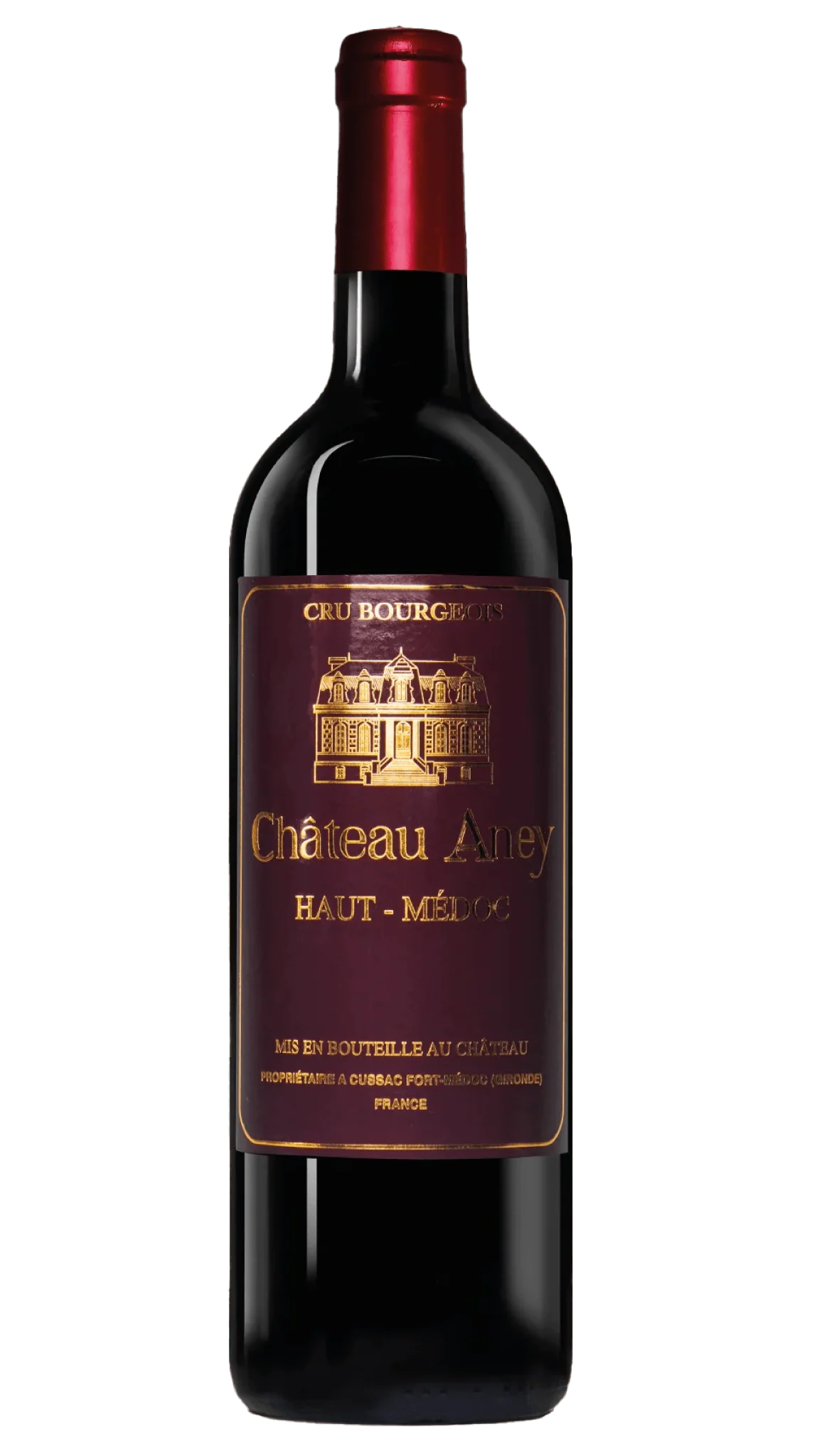 Château Aney 2012Haut-Médoc→
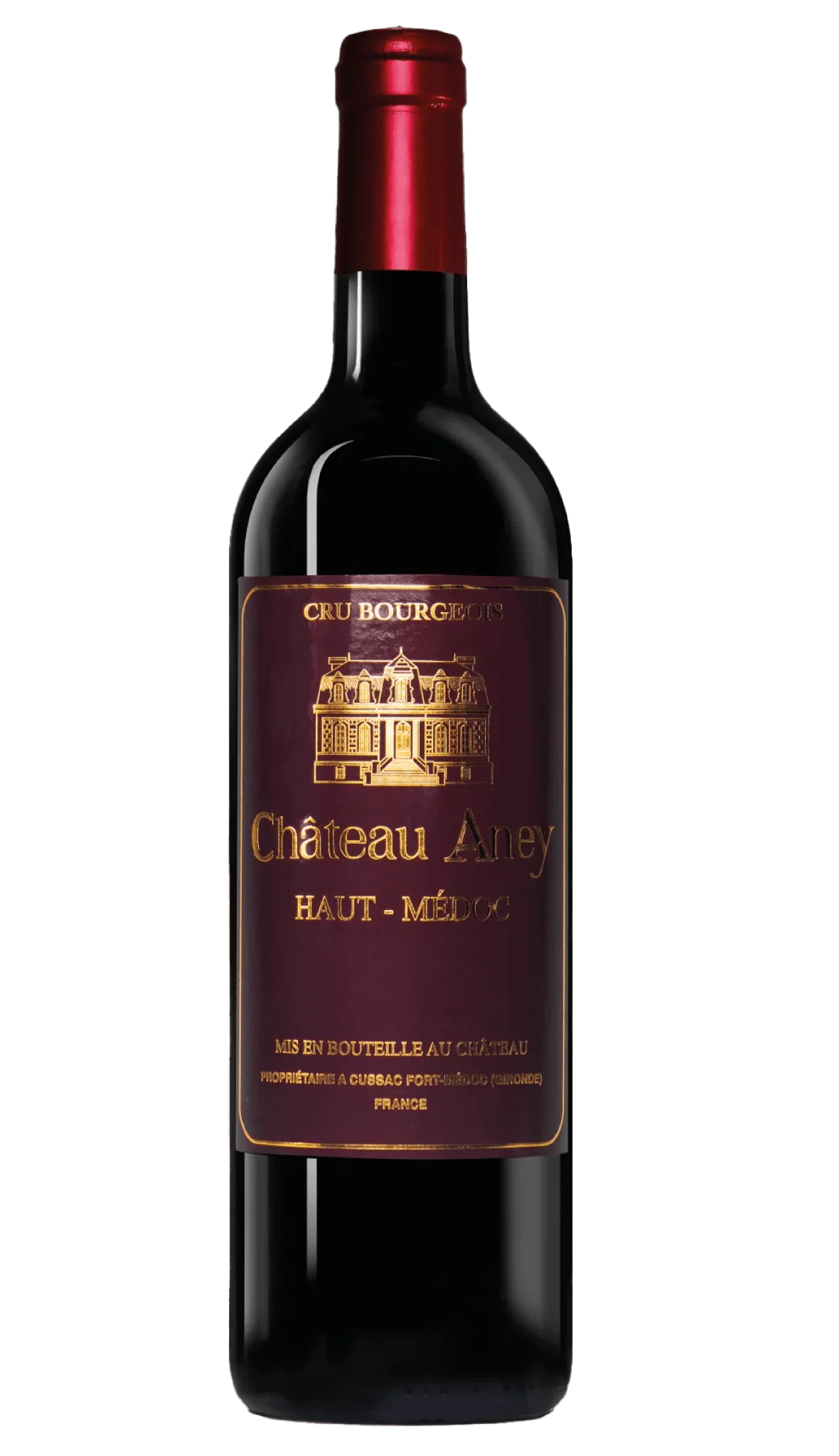 Château Aney 2015Haut-Médoc→
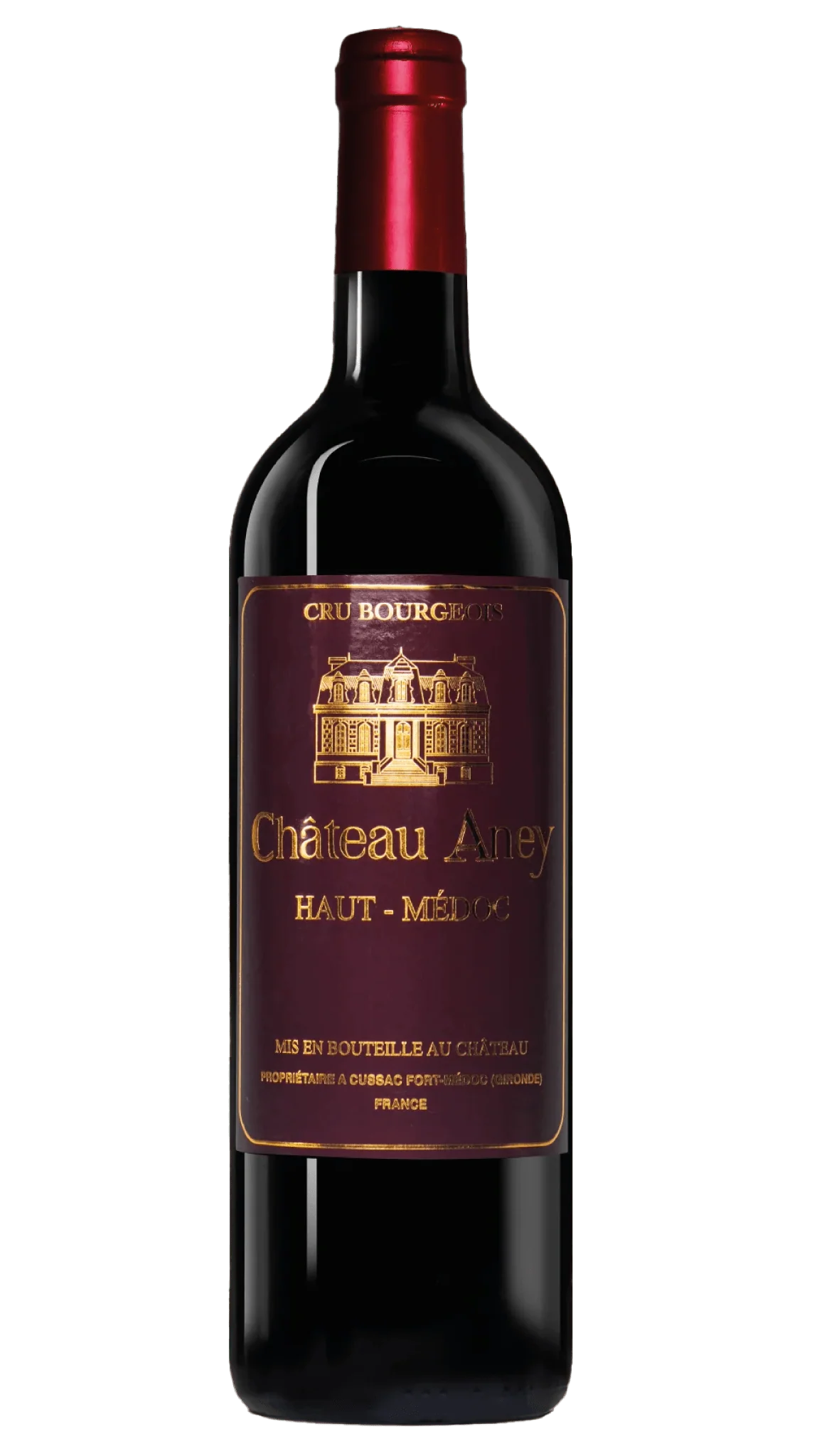 S.C.F. du Château Aney - Château Aney 6L 2008Haut-Médoc→
 Château Cantemerle 20105ème Grand Cru Classé · Haut-Médoc→
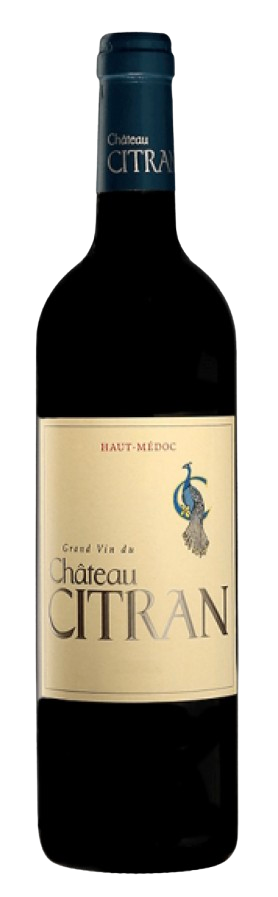 Château Citran 1990haut-médoc→
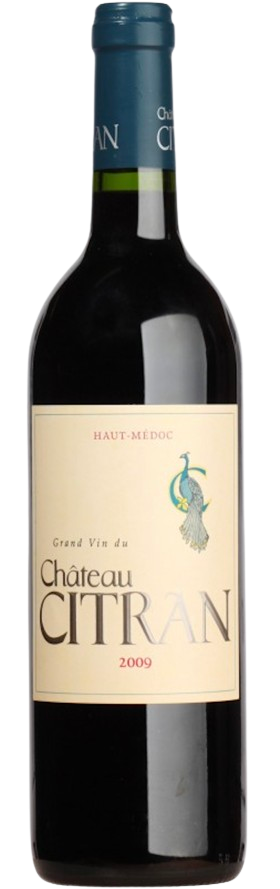 Château Citran 2005Haut-Médoc→
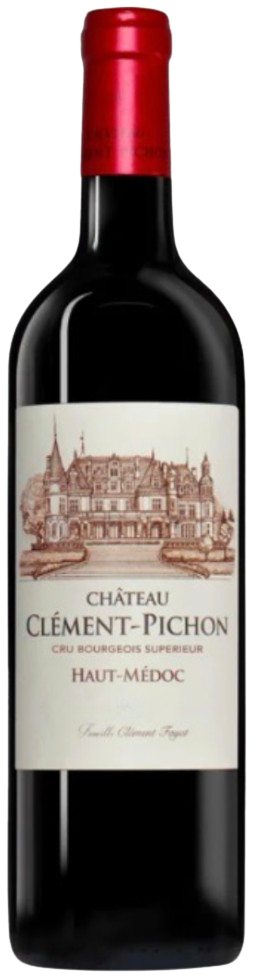 Château Clement-Pichon 1990Haut-Médoc→
 Château d'Arcins 2021Haut-Médoc→
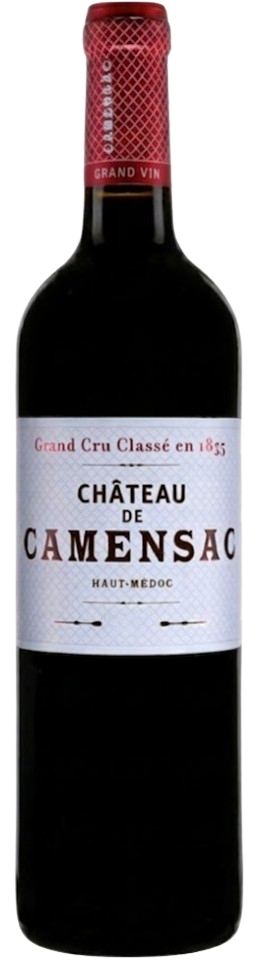 Château de Camensac 20005ème Grand Cru Classé · Haut-Médoc→Château de Camensac 20205ème Grand Cru Classé · Haut-Médoc→
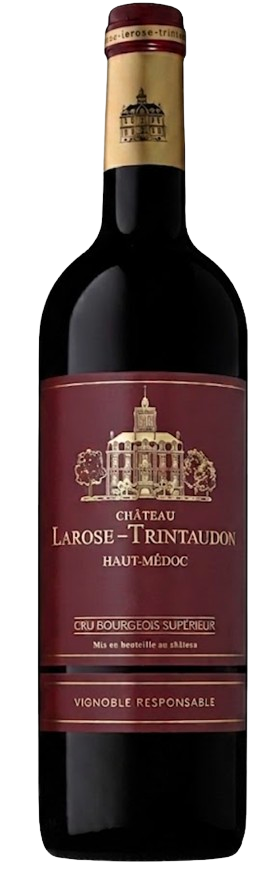 Château Larose Trintaudon 1972Haut-Médoc Contrôlée→Château Larose Trintaudon 2017Haut-Médoc Contrôlée→
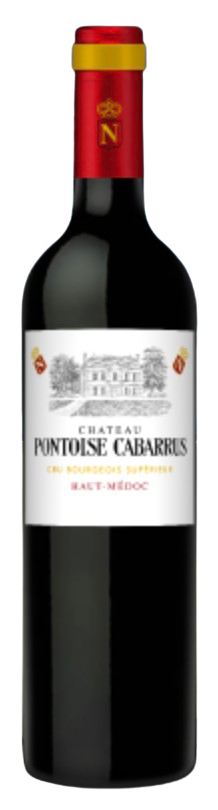 Château Pontoise Cabarrus, Haut-Médoc 2015Haut-Médoc→
 Château Sociando-Mallet 2011Haut-Médoc→
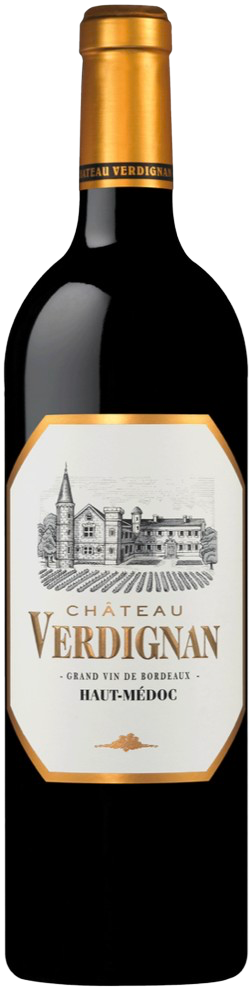 Château Verdignan 2001Haut-Médoc→
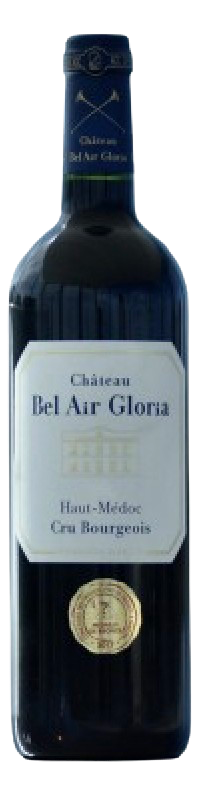 Domaines Martin - Château Bel Air Gloria 2019Haut-Médoc→
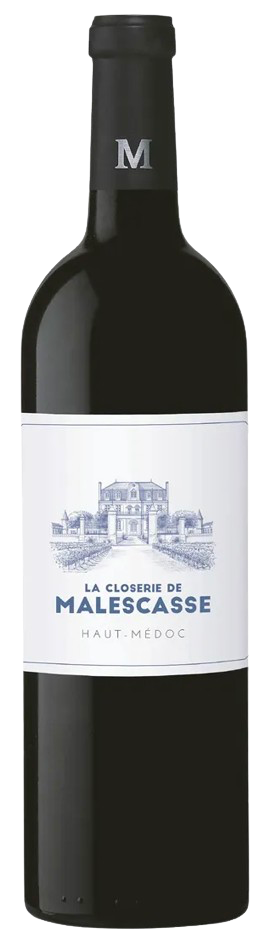 La Closerie de Malescasse 2014Haut-Médoc→Larose-Trintaudon 2018Haut-Médoc→