A Vineyard Apart, in the Serein Valley
About twenty kilometres east of Auxerre, Chablis spans seventeen communes of the Serein valley, set apart from the rest of Burgundy, of which it forms the northern outpost. The vineyard occupies south- and east-facing hillsides, devoted entirely to chardonnay — known here as "beaunois".
This northerly position explains a cooler, temperate climate with continental tendencies: cold winters, wet springs, sunny summers. The downside of this coolness is spring frost, a recurring scourge since early-budding chardonnay breaks bud early; winegrowers have fought it since the 1960s with sprinkler systems and smudge pots. It is also this coolness that gives Chablis its inimitable tension.
The Terroir: Kimmeridgian Limestone and its Fossil Oysters
Geology is the key to Chablis. The Jurassic limestone plateau reads in layers: at the top of the slopes, Tithonian limestone (formerly called "Portlandian"); on the mid-slopes, Kimmeridgian marl and limestone, which carries almost all the great wines. This Kimmeridgian layer holds a spectacular signature: countless tiny fossilised oysters, Exogyra virgula, laid down some 150 million years ago when the region was a warm sea.
This cool, well-drained clay-limestone subsoil is credited with giving Chablis its minerality and that famous "gunflint" note. The distinction is crucial: the Kimmeridgian hillsides produce Chablis, premiers crus and grands crus, while the higher Portlandian plateaus are reserved for Petit Chablis.
The Hierarchy: From Petit Chablis to Grand Cru
Chablis reads on four levels, dictated by soil and exposure. Petit Chablis crowns the tops of the hillsides and the (Portlandian) plateaus. Chablis "village" occupies the Kimmeridgian hillsides. Above it, the premiers crus — seventy-nine lieux-dits grouped into eighteen denominations, including the celebrated Montée de Tonnerre, Fourchaume, Montmains and Mont de Milieu — nestle on the finest, best-exposed hillsides.
At the summit, the grands crus: seven climats gathered on one single hillside, on the right bank of the Serein, facing the town. The higher up the hierarchy, the lower the yield (from 60 to 54 hl/ha) and the more the wine gains in concentration and ageing potential.
The Style of the Wines
Chablis is recognisable by its pale robe with green glints — the "green gold" — and a fresh nose, sometimes mineral (flint), sometimes fruity (green apple, lemon, grapefruit, pear). On the palate, minerality and acidity dominate, carried by that characteristic saline tension. Oak ageing can bring vanilla notes, but purity remains the hallmark.
Old-vine cuvées (over thirty-five years old) and premiers crus gain in power, richness and complexity (honey, spice), becoming true cellaring wines. Served chilled, between 8 and 12°C, Chablis is the perfect partner for oysters, seafood and fish — a pairing rooted in terroir, yesterday's sea meeting today's.
The grape varieties of Chablis
Chablis wines on 1001caves
Detailed pages: the cuvée, the estate, the drinking window and the bottles for sale between collectors.
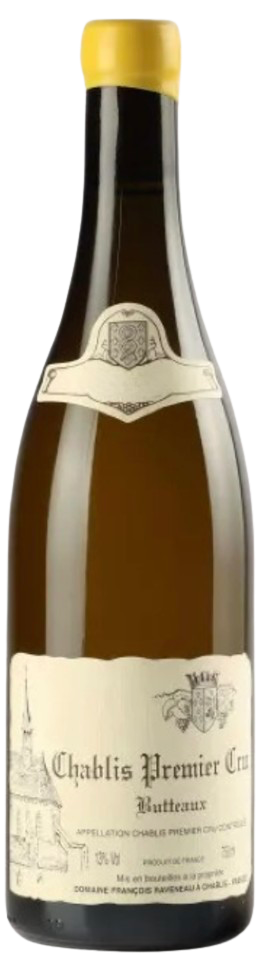 Domaine François Raveneau - Chablis Premier Cru Butteaux 20151er Cru · Chablis Premier Cru→
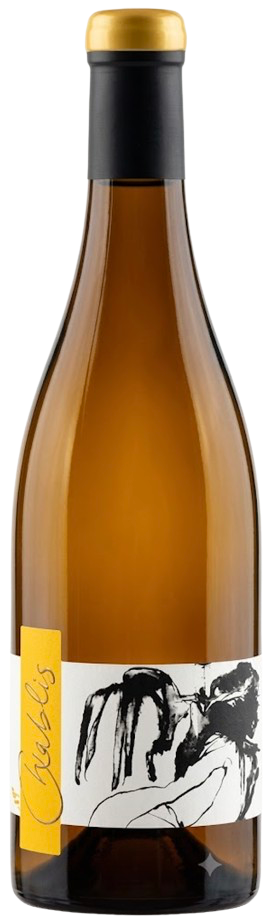 Domaine Pattes Loup - Chablis, Vent d'Ange 2019Chablis→
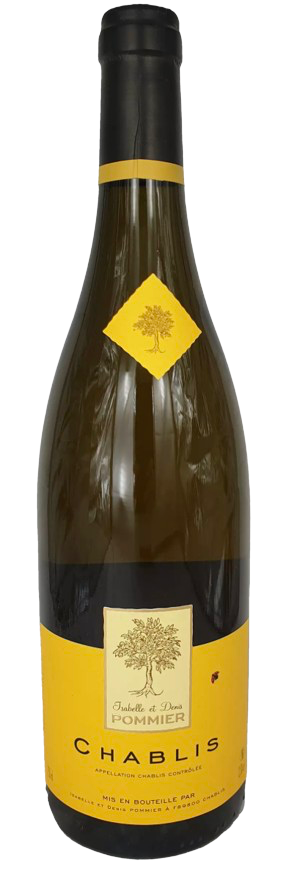 Isabelle et Denis Pommier - Chablis 2023Chablis→
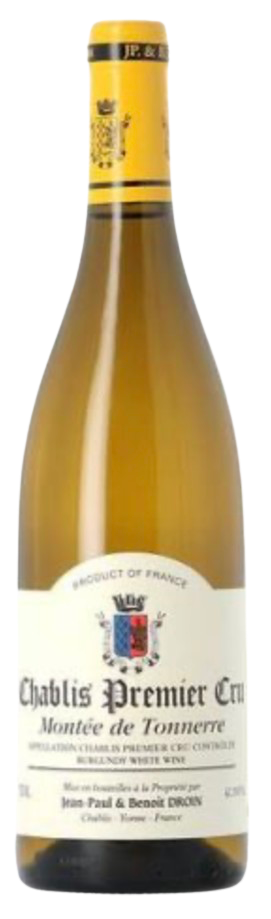 Jean-Paul & Benoit Droin - Chablis Premier Cru, Montee de Tonnerre 20181er Cru · Chablis→
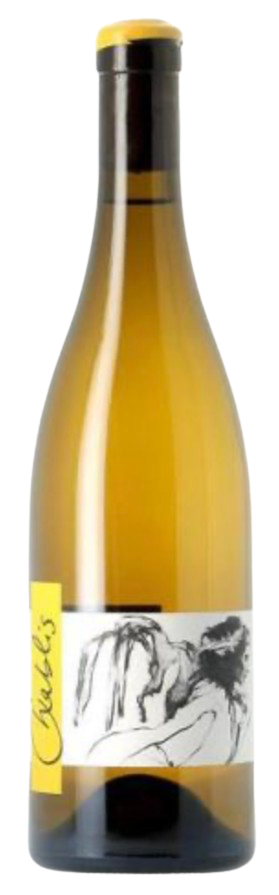 Pattes Loup - Chablis, Vent d'Ange 2022Chablis→
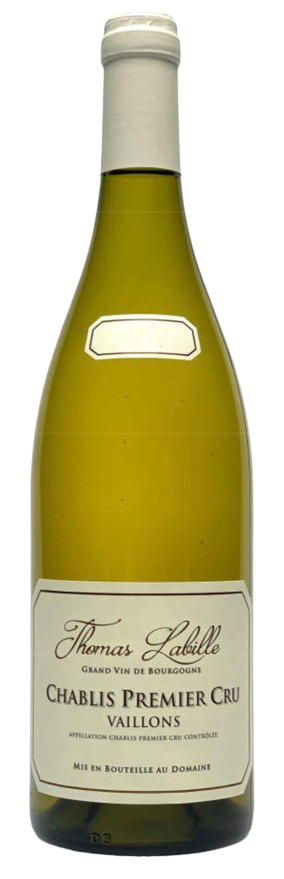 Thomas Labille - Chablis 1er Cru, Vaillons 20221er Cru · Chablis→
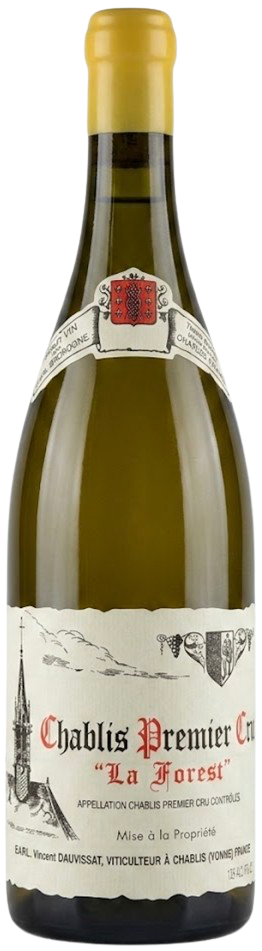 Vincent Dauvissat - Chablis Premier Cru La Forest 20071er Cru · Chablis Premier Cru→