
The Capital of the Vineyard and its Amphitheatre of Vines
The beaune appellation lies entirely within a single commune, that of Beaune, in the Côte-d'Or. The vineyard forms a vast amphitheatre wrapping around the town to the north and west, between 220 and 300 metres in altitude, with exposures running from east to due south. This continuity of hillside, broader here than anywhere else on the Côte, explains the exceptional extent of the premier cru classification.
Beaune is also a capital in the economic sense. The town concentrates the great négoce houses and their cellars, the Hôtel-Dieu, the schools and the trade bodies: this is where Burgundy sells itself to the world. The town's name in fact covers two realities that should not be confused — the beaune village appellation, across 407 hectares, and the Côte de Beaune, which covers the whole southern half of the Côte-d'Or vineyard.
The Terroir: Three Limestones Stacked on the Hillside
Beaune's soils are clay-limestone, but the limestone is not the same at every altitude. The hardest limestones outcrop at the top of the vineyard; mid-slope, Comblanchien limestone and Argovian marls dominate, on thick soils, white, grey or yellow, often tinged with red by the ferruginous Oxfordian. This stacking of Jurassic levels, set in motion by the Côte fault, produces a mosaic of terroirs across a few hundred metres of vertical drop.
The consequence reads directly in the classification. The premiers crus occupy the middle band of the hillside, where the marls provide a water reserve and the limestone provides drainage; the village climats are spread across the upper and lower slopes, stonier above, more clayey and deeper below. The switch from red to white follows the same fine-grained logic: chardonnay settles where the soil turns whiter and more calcareous, as on the upper part of the Clos des Mouches.
A Temperate Climate with a Continental Tendency
Beaune's climate is temperate, with a clear continental tendency: cold winters, hot and sometimes stormy summers, marked swings. The hillside of the Côte, running north-south and backed to the west by the high ground of the Morvan, acts as a shelter: it intercepts the weather systems coming in from the west and leaves the vineyard on its drier, sunnier side.
The exposure, from east to south, lets the vine catch the sun from early morning, as the night's moisture evaporates — a genuine health advantage for a pinot noir prone to grey rot. Summer hailstorms, on the other hand, remain the sector's dread, as do spring frosts now that budbreak comes ever earlier.
The Style of the Wines: Beaune Suppleness
Beaune's reds are deeply coloured pinot noirs, with a fruity nose that turns towards animal notes with age, and a fairly supple texture: tannic and powerful without ever the austerity of a pommard, they open relatively early. It is a profile built on balance, usually drunk between six and twelve years, served at around 15 to 17°C, with meat in sauce, poultry or feathered game.
The whites, rarer — just 45 hectares — play on the richness and volume typical of Burgundian chardonnay, held together by clean acidity. They are happily drunk between three and six years, longer for premiers crus, with shellfish, snails or sea fish. The Clos des Mouches, made in both red and white, remains the best-known demonstration of this dual vocation.
More than Forty Premiers Crus, and Not One Grand Cru
This is the appellation's most-discussed peculiarity: Beaune lines up more than forty climats classified as premier cru — Les Grèves, Les Bressandes, Les Fèves, Les Teurons, Les Marconnets, Les Cent Vignes, Les Vignes Franches, Le Clos des Mouches, the Clos des Ursules, the Clos de la Mousse, the Clos du Roi — but not a single grand cru. The gap is as historical as it is geological: when the hierarchy was fixed by decree in the 1930s and 1940s, Beaune's best terroirs belonged overwhelmingly to the négoce and to the Hospices, whose wines were blended and sold under the name of the town rather than that of an individual climat.
The classification therefore records a very pronounced internal hierarchy: 227 of the 362 hectares of red are premier cru, and the premiers crus account for the bulk of the volume produced (10,510 hectolitres out of 14,075 in red). In other words, at Beaune the premier cru is not the exception: it is the norm, and village level the complement.
The Hospices de Beaune, a Winegrowing Hospital
In 1443, Nicolas Rolin, chancellor to Philippe le Bon, and his wife Guigone de Salins signed the founding charter of a hôtel-Dieu for the poor, at Beaune rather than at Autun. From 1471, gifts and bequests from Burgundian lords began to build a wine estate, today some sixty hectares spread across the Côte de Beaune and the Côte de Nuits, very largely in premiers and grands crus. A hospital turned winegrower, whose harvest has funded its charitable work for five centuries.
The auction of the Hospices cuvées — around forty of them, each bearing the name of a donor — is held on the third Sunday in November. Born in the late 18th century, the sale took its public, media-facing form in the mid-19th, the Hospices holding their first modern auction in 1851. It has served ever since as a barometer for the Burgundy market: the prices reached in November set the tone for the vintage long before it is bottled.
The grape varieties of Beaune
Beaune wines on 1001caves
Detailed pages: the cuvée, the estate, the drinking window and the bottles for sale between collectors.
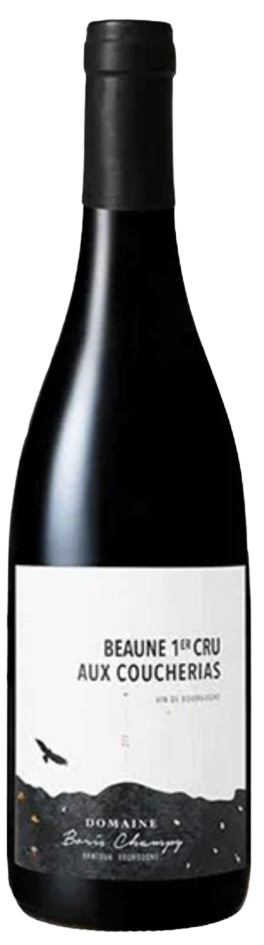 Boris Champy - Beaune Premier Cru, Aux Coucherias 20201er Cru · Beaune→
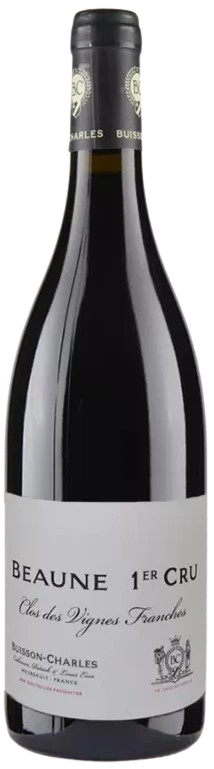 Buisson-Charles - Beaune 1er Cru Clos des Vignes Franches 20231er Cru · Beaune 1er Cru→
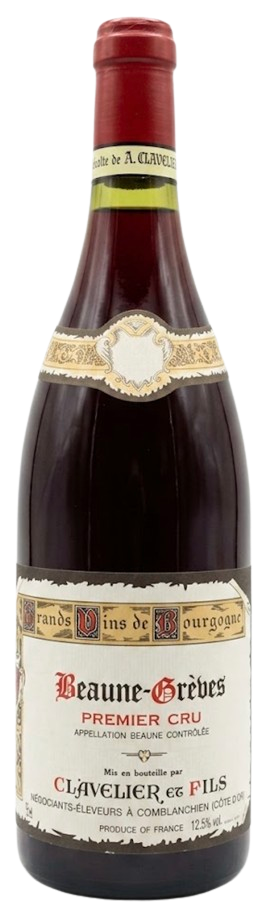 Clavelier et Fils - Beaune Grèves 1er Cru 19821er Cru · Beaune→Domaine Boris Champy - Beaune 1er Cru Vignes Franches 20211er Cru · Beaune 1er Cru→
 Chanson Père & Fils - Domaine Chanson, Beaune Premier Cru, Clos des Mouches 20221er Cru · Beaune 1er Cru→
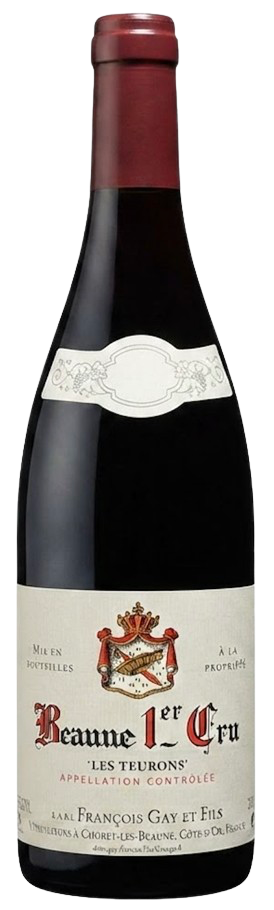 E.A.R.L François Gay et Fils - Les Teurons 20221er Cru · Beaune 1er Cru Les Teurons→
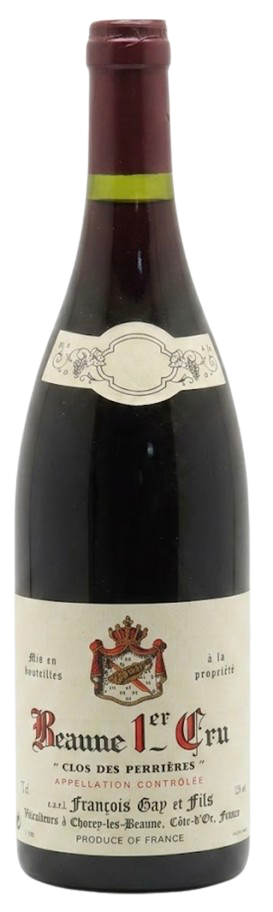 François Gay et Fils - Beaune 1er Cru "Clos des Perrières" 20201er Cru · Beaune 1er Cru→
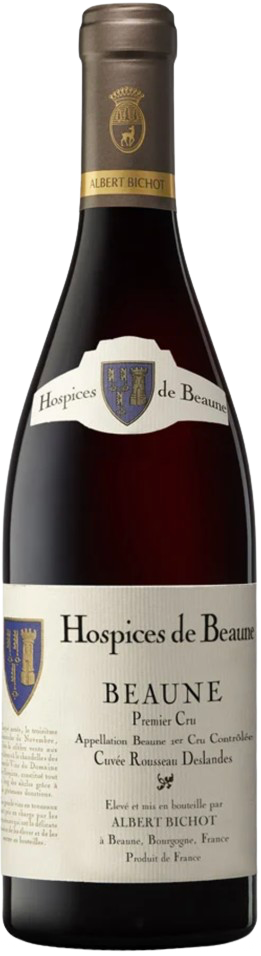 Hospices de Beaune - Beaune 1er Cru cuvée Rousseau Deslandes 20201er Cru · Beaune→Hospices de Beaune, Beaune Premier Cru, Cuvée Rousseau-Deslandes 20011er Cru · Beaune→
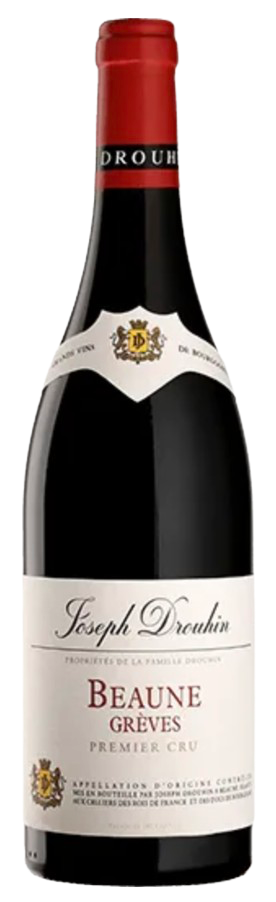 Joseph Drouhin - Beaune Premier Cru Grèves 20201er Cru · Beaune→
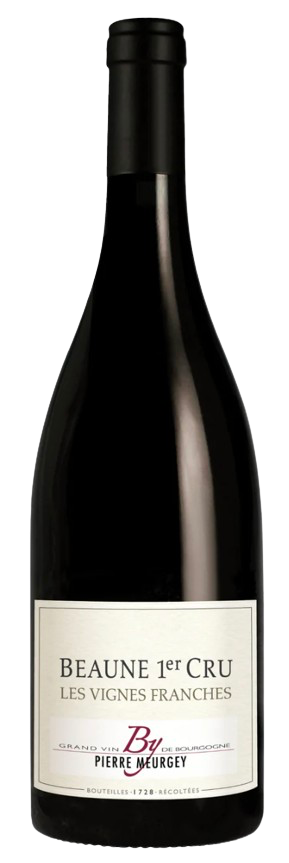 Pierre Meurgey - Beaune 1er Cru Les Vignes Franches 20181er Cru · Beaune 1er Cru→