Vineyards sheltered by the Vosges
Alsace's vineyards run for around one hundred and sixty kilometres, from north of Strasbourg to Thann, along the eastern foothills of the Vosges. The massif plays a decisive role: it blocks weather systems from the west and creates a foehn effect that makes Colmar one of France's driest towns.
This dryness, combined with high sunshine levels and long autumns, allows slow, complete ripening, essential for both great sweet wines and the purity of dry styles.
The geological mosaic
Alsace has some of Europe's most fragmented geology: faulting along the Rhine graben has juxtaposed granite, sandstone, limestone, marl, schist and alluvium within a few kilometres. Each grape finds its preferred soil — Riesling on granite and schist, Gewurztraminer on marl, Pinot gris on limestone.
This diversity explains the system of fifty-one sites classified as Alsace Grand Cru, each recognised for a particular terroir and a restricted range of varieties.
The grape on the label
One of Alsace's traditions is to display the grape variety on the label. An Alsace Riesling is pure Riesling, with the appellation rules requiring a single variety whenever it is named.
Styles range from taut dry to sweet. Since the 2021 vintage, whites of the Alsace appellation must indicate their sugar content on the label, except those bearing the terms Vendanges Tardives and Sélection de Grains Nobles. These terms denote wines made from overripe grapes and governed by specific rules. Serve between 8 and 11°C depending on richness.
The grape varieties of Alsace
Alsace wines on 1001caves
Detailed pages: the cuvée, the estate, the drinking window and the bottles for sale between collectors.
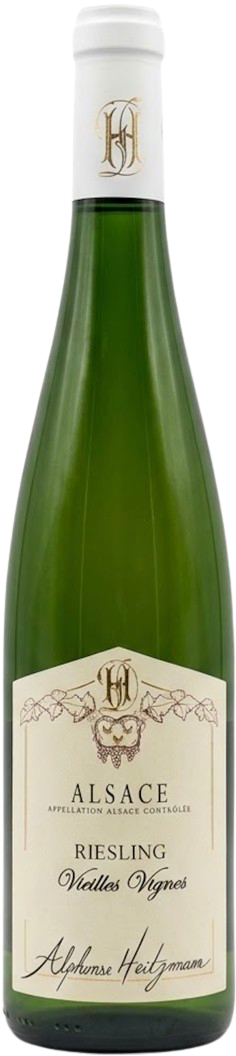 Alphonse Heitzmann - Riesling Vieilles Vignes 2022Alsace→
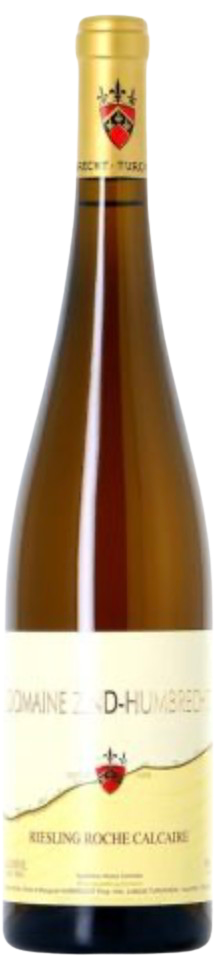 Domaine Zind-Humbrecht - Riesling Roche Calcaire 2022Alsace→
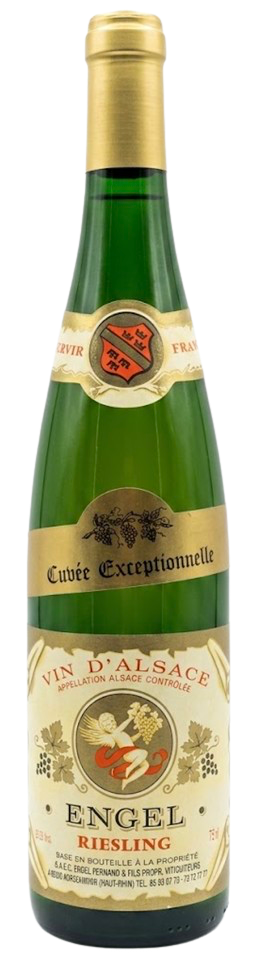 Fernand Engel - Riesling Cuvée Exceptionnelle 1990Alsace→
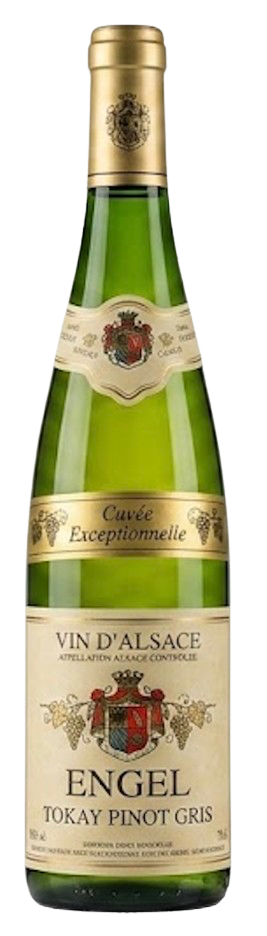 Fernand Engel - Tokay Pinot Gris Cuvée Exceptionnelle 1990Alsace→
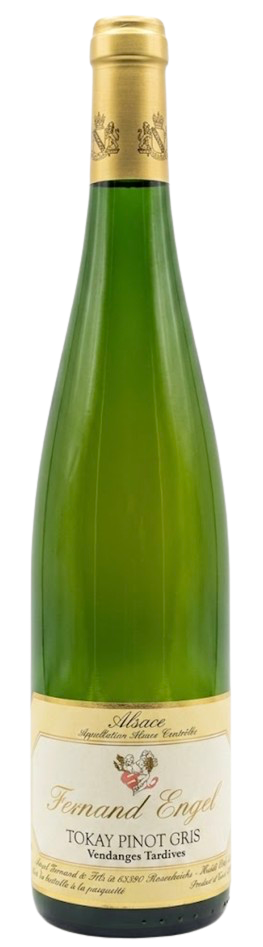 Fernand Engel - Tokay Pinot Gris Vendanges Tardives 1996Vendanges Tardives · Alsace→
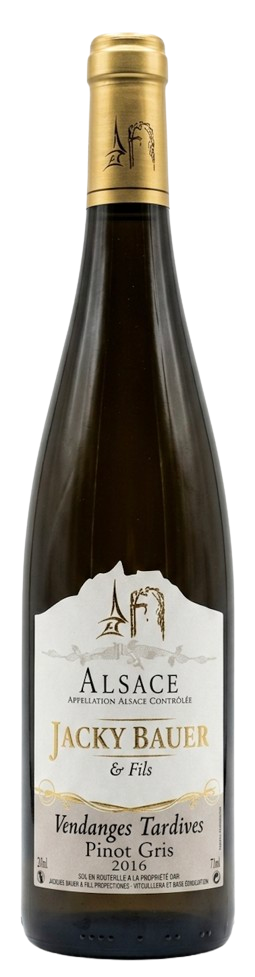 Jacky Bauer & Fils - Vendanges Tardives Pinot Gris 2016Vendanges Tardives · Alsace→
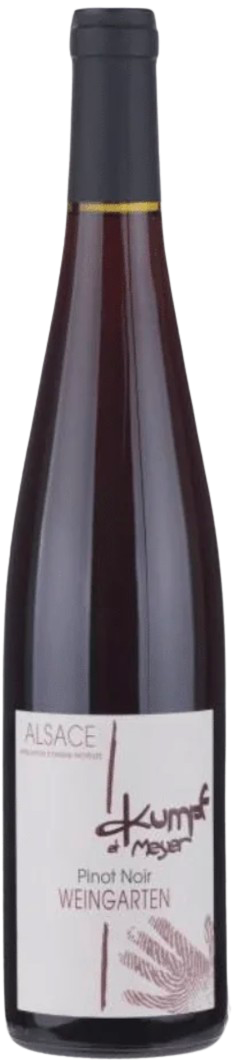 Kumpf & Meyer - Weingarten 2014Alsace→
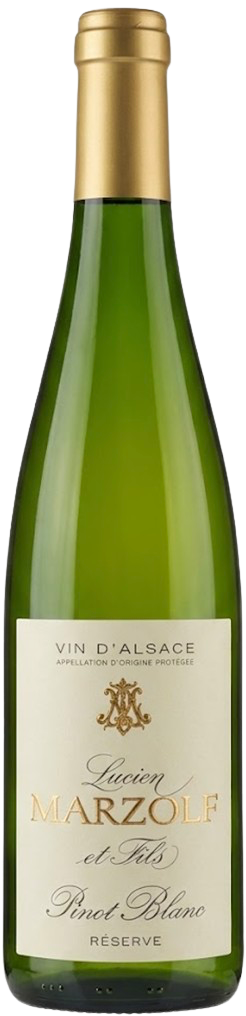 Lucien Marzolf et Fils - Pinot Blanc 2022Alsace→
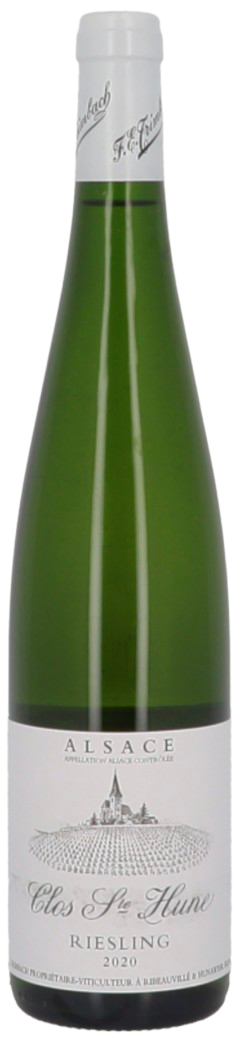 Trimbach - Clos Sainte Hune 1999Alsace→