
Saint-Estèphe, Northern Sentinel of the Médoc
Saint-Estèphe closes off the northern end of the Médoc's great communal appellations, just above Pauillac, enclosed within the Haut-Médoc. Unusually, it is confined to a single commune, Saint-Estèphe, on the left bank of the Gironde.
The vine here is ancient: probably planted as early as Roman times, it flourished in the Middle Ages thanks to English merchants who bought their wine at the port of Bordeaux, then again with the draining of the marshy land from the 17th century onward. Today, the appellation counts more than a hundred producers.
The Terroir: the Role of Clay
Saint-Estèphe shares with the rest of the Médoc its base of graves — pebbles and gravel carried down by the Garonne during the Quaternary, arranged in well-drained rises. But it stands apart in one crucial respect: its soils contain a markedly higher proportion of clay than its neighbours.
This clay changes everything. Where pure gravel lets water run off, clay retains it: the vine suffers less from drought and benefits from a water reserve in hot summers. The result is more generous grapes and wines of deep colour and dense tannic structure. The terroir is known to be heterogeneous, which explains the markedly different styles from one estate to another.
A Microclimate Softened by the Estuary
The climate is temperate oceanic, close to that of the Bordeaux-Mérignac weather station. In Saint-Estèphe, the close presence of the Gironde — Europe's largest estuary — creates a microclimate that moderates temperature extremes, limits frost and lengthens the late season.
This regulation is precious for bringing Cabernet Sauvignon, a late-ripening variety and the appellation's dominant grape, to ripeness. Born in the Médoc from the crossing of Cabernet Franc and Sauvignon Blanc, it forms the backbone of the great Saint-Estèphe wines, where some estates keep it above 60% of the blend.
The Style of the Wines: Robustness and Long Cellaring
Saint-Estèphe wines have long been described as the most robust in the Médoc. The Guide Hachette credits them with "an acidity, a tannic structure and a colour superior to other wines" of the sub-region. Young, they can seem firm, almost austere, a direct consequence of the clay and the Cabernet.
It is time that reveals them: ageing brings fruit, roundness and finesse. These are cellaring wines, even long-cellaring wines, that blossom after about a decade and then pair with red meats, lamb, marinated game and, in mature bottles, truffled dishes.
Classified Growths Without a First Growth
Saint-Estèphe counts no first growth in the 1855 classification, but several classified growths spread across the second, third, fourth and fifth ranks. Its figureheads, Château Cos d'Estournel and Château Montrose, rank among the most renowned second growths of the Médoc.
Alongside these great names, the appellation is rich in a dense fabric of crus bourgeois — Haut-Marbuzet, Phélan Ségur, Meyney, Lilian Ladouys… — which give it its reputation as a land of excellent value. An appellation of character, more earthy than its neighbours, and proud of it.
The grape varieties of Saint-Estèphe
Saint-Estèphe wines on 1001caves
Detailed pages: the cuvée, the estate, the drinking window and the bottles for sale between collectors.
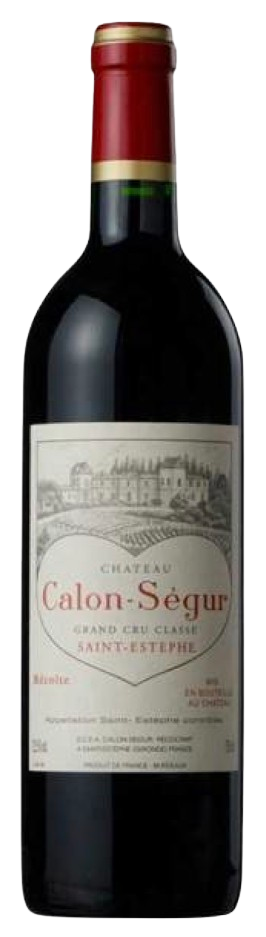 Calon Ségur 20053ème Grand Cru Classé · Saint-Estèphe Grand Cru Classé→
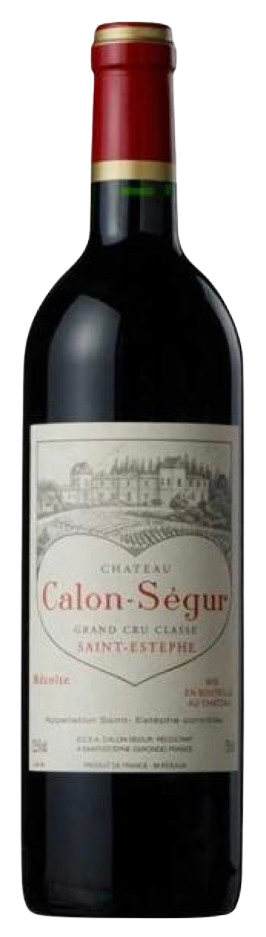 Château Calon Ségur 20153ème Grand Cru Classé · Saint-Estèphe→
 Château Cos d'Estournel 20202ème Grand Cru Classé · Saint-Estèphe→
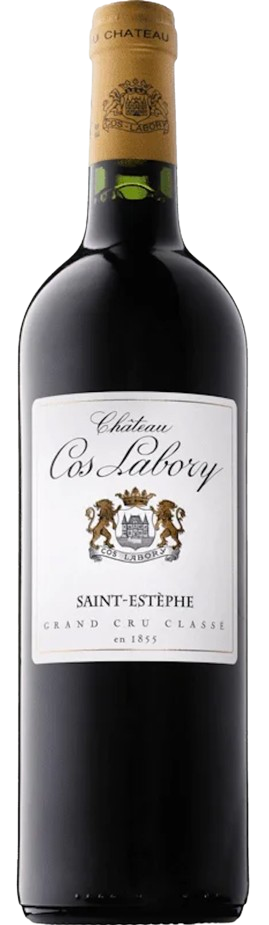 Château Cos Labory 19905ème Grand Cru Classé · saint-estèphe→
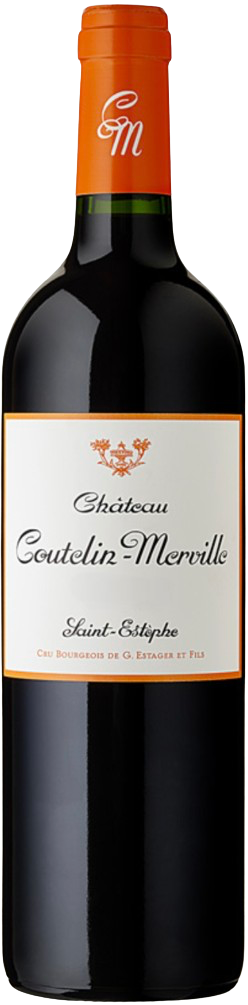 Château Coutelin-Merville 2018Saint-Estèphe→
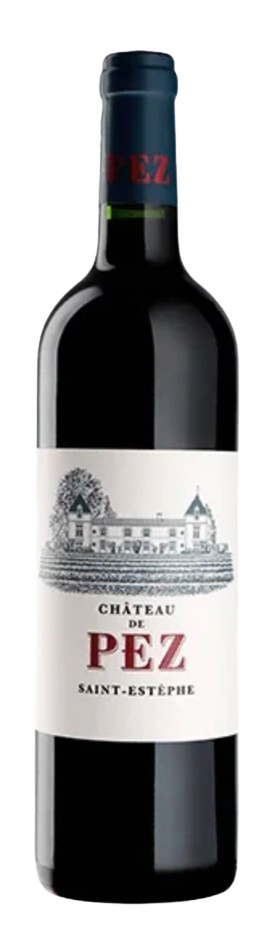 Château de Pez, Saint-Estèphe 2019Saint-Estèphe→
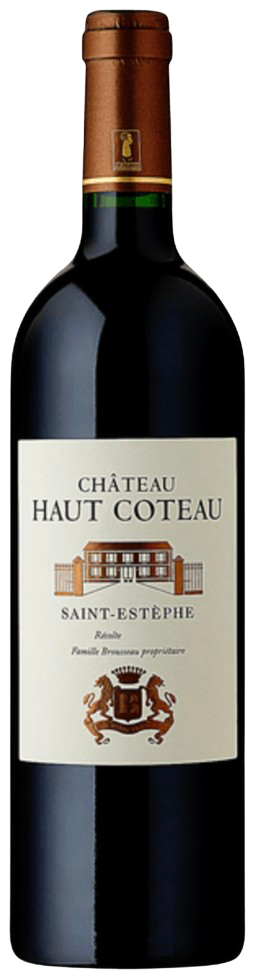 Château Haut-Coteau 1997Saint-Estèphe→
 Château Haut-Marbuzet 2019Saint-Estèphe→
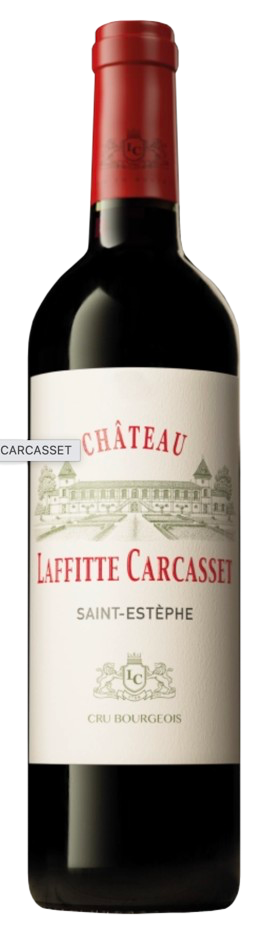 Château Laffitte Carcasset, Saint-Estèphe 2018Saint-Estèphe→
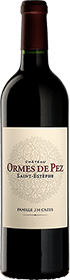 Château Les Ormes de Pez 2022Saint-Estèphe→
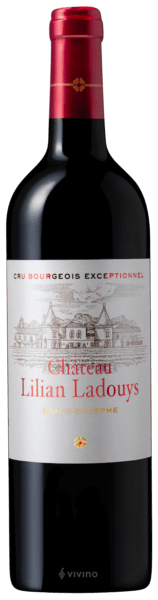 Château Lilian Ladouys 2018Saint-Estèphe→Château Lilian Ladouys 2022Saint-Estèphe→
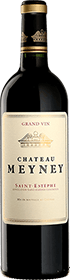 Château Meyney 2010Saint-Estèphe→Château Meyney 2020Saint-Estèphe→
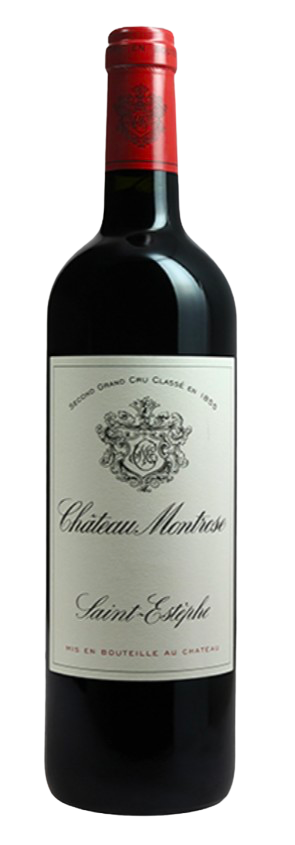 Château Montrose 20192ème Grand Cru Classé · Saint-Estèphe→Château Montrose 20202ème Grand Cru Classé · Saint-Estèphe→
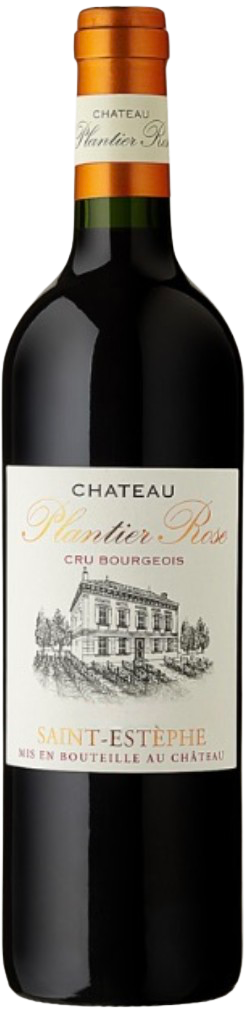 Château Plantier Rose 2021Saint-Estèphe→
 Château Tour des Termes 2021Saint-Estèphe→H. Duboscq - Château Haut-Marbuzet 2017Saint-Estèphe→
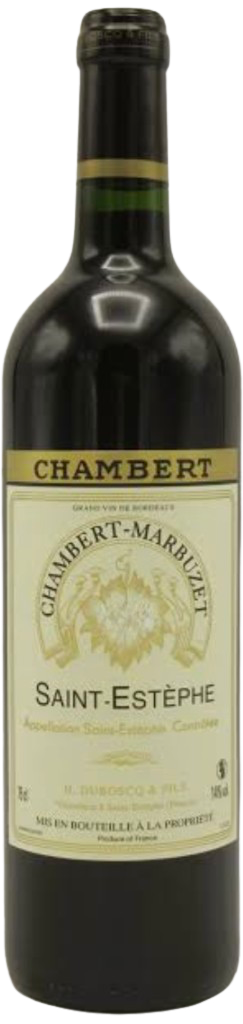 H. Duboscq & Fils - Chambert-Marbuzet 2018Saint-Estèphe→H. Duboscq & Fils - Château Haut-Marbuzet 1995Saint-Estèphe→H. Duboscq & Fils - Château Haut-Marbuzet 2018Saint-Estèphe→H. Duboscq & Fils - Château Haut-Marbuzet 2021Saint-Estèphe→
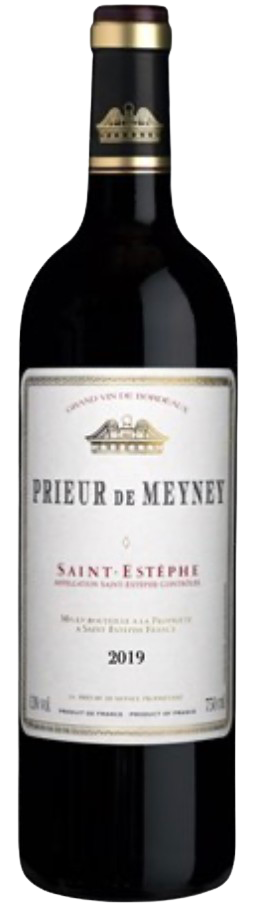 Prieur de Meyney 2019Saint-Estèphe→