Margaux, the Southern Gateway to the Médoc
Some twenty kilometres north of Bordeaux, Margaux is the first great communal appellation one encounters heading up the Médoc. It is also the most extensive, spread across five communes: Margaux, Cantenac, Soussans, Labarde and Arsac. This breadth, and the mosaic of terroirs it covers, explains the diversity of styles within the appellation.
Its name, derived from a woman's first name, has fed its reputation: Margaux wines are held to be the most "feminine" of the Médocs, favouring grace over force — an image that the terroir, more than chance, justifies.
The Terroir: the Finest Gravel in the Médoc
Margaux sits on a Cenozoic limestone bedrock, overlaid with detrital sediments that form gravel rises at low elevation — barely fifteen metres. At the centre of the appellation, a plateau of white gravel measuring six kilometres by two concentrates the majority of the great classified growths; on the periphery, rises separated by drainage ditches form islands of vines.
This white gravel, among the finest and lightest in the Médoc, is Margaux's signature. Highly draining and poor, it forces the vine into constant effort and yields wines built on lace rather than power. The limestone subsoil, for its part, brings a freshness that lengthens the wines on the palate.
A Climate That Allows Vines Even on Flat Ground
Margaux's temperate oceanic climate is, according to the sources, "warm enough to allow vine-growing even on flat ground." The proximity of the Gironde estuary softens temperatures and limits frost, while rainfall, spread across the year, comes with rather rainy autumns.
As everywhere in the Médoc, the quality of the vintage is decided in the late season: a fine autumn brings Cabernet Sauvignon — a late-ripening variety born in the region — to full ripeness. In Margaux, this Cabernet dominates the blend, sometimes matched by Merlot depending on the château, with the other varieties remaining marginal.
The Style of the Wines: Delicacy and Fragrance
If Margaux had to be summed up in one word, it would be elegance. Young, the wines offer red-fruit flavours and a supple tannic frame, of a "voluptuous generosity." With age, they gain remarkable complexity, without ever losing the delicacy that makes them recognisable among all the Médocs.
This finesse does not exclude cellaring potential: the great Margaux wines age superbly, over fifty years for exceptional vintages — the legendary 1945 still held its structure decades later. At table, they pair with red meats and feathered game, where their fragrance works wonders.
The Largest Number of Classified Growths
Margaux holds a record: twenty-one classified growths in 1855, more than any other appellation. They are divided between Margaux (nine), Cantenac (nine), Labarde (two) and Arsac (one). At the summit, the first growth Château Margaux, whose name is inseparable from that of the appellation.
Around it, a host of renowned estates — Palmer, Rauzan-Ségla, Brane-Cantenac, d'Issan — express the white gravel terroir across a range of nuances, from the most ethereal to the most full-bodied. It is this abundance of classified growths that makes Margaux, despite its size, one of the most prestigious appellations in the world.
The grape varieties of Margaux
Margaux wines on 1001caves
Detailed pages: the cuvée, the estate, the drinking window and the bottles for sale between collectors.
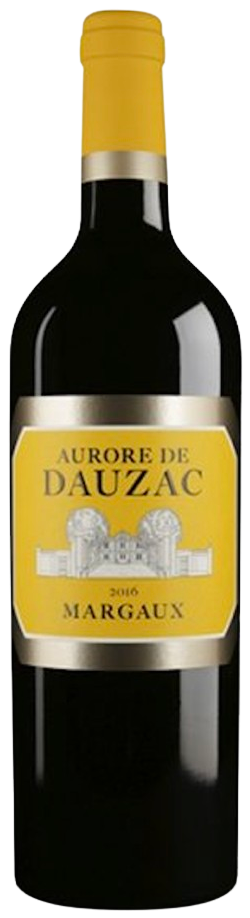 Château Dauzac - Aurore de Dauzac 2016Margaux→
 Château Cantenac Brown 20213ème Grand Cru Classé · Margaux→
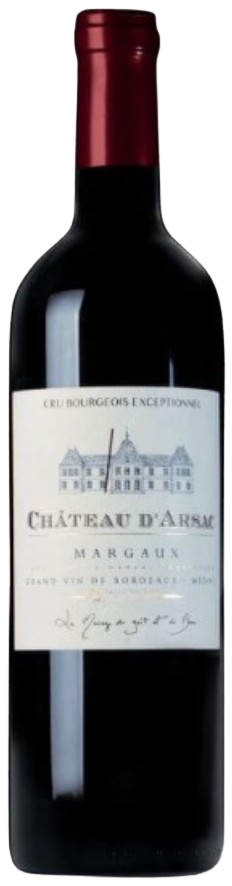 Château d'Arsac 2021Margaux→
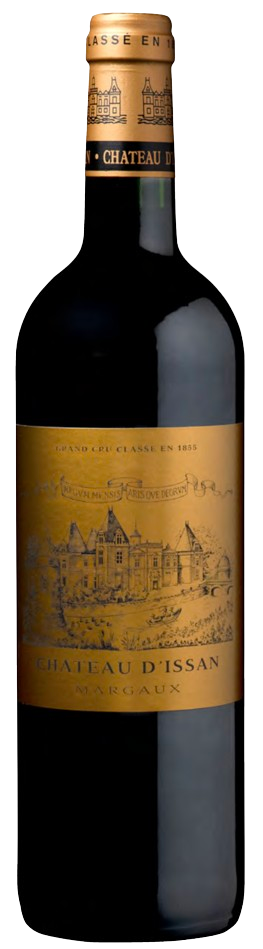 Château d'Issan 20053ème Grand Cru Classé · Margaux→
 Château Dauzac 20155ème Grand Cru Classé · Margaux→Château Dauzac 20215ème Grand Cru Classé · Margaux→
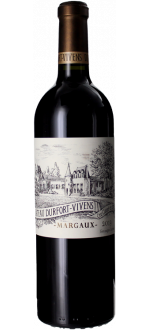 Château Durfort-Vivens 19892ème Grand Cru Classé · Margaux→
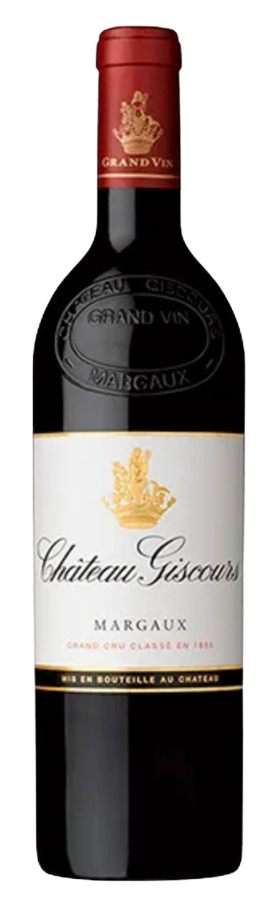 Château Giscours 20033ème Grand Cru Classé · Margaux→
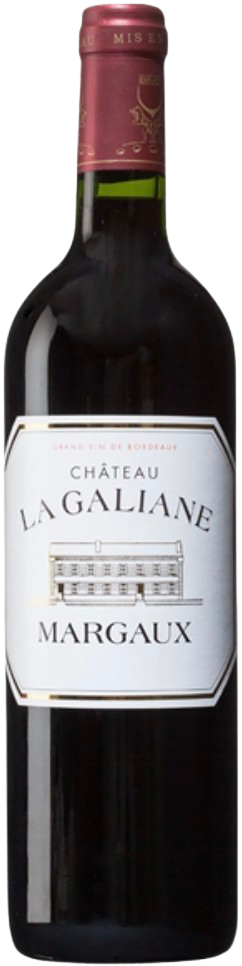 Château La Galiane 2010Margaux→
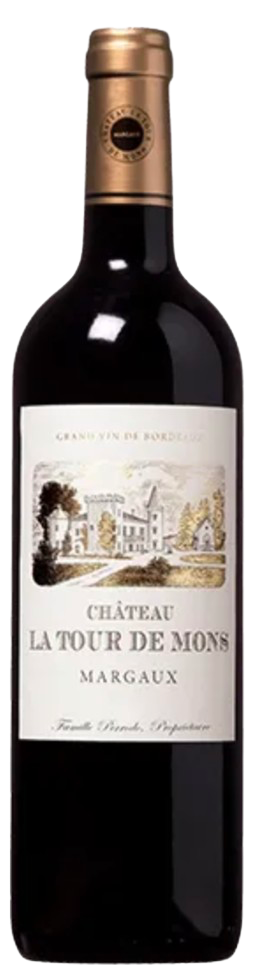 Château La Tour de Mons 1996Margaux Contrôlée→
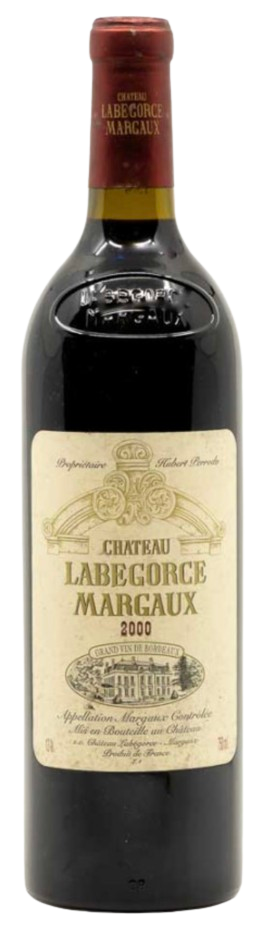 Château Labégorce 2000Margaux Contrôlée→
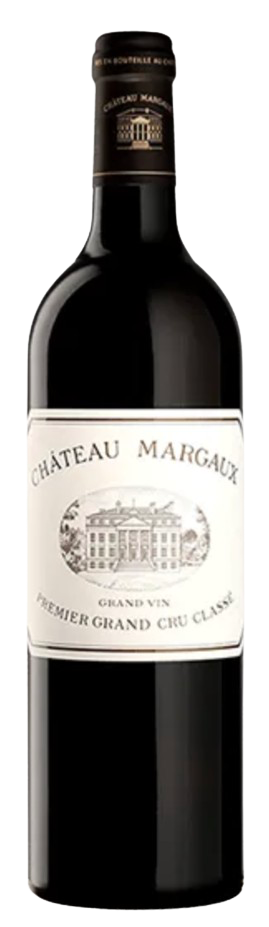 Château Margaux 19871er Grand Cru Classé · Margaux→Château Margaux 19961er Grand Cru Classé · Margaux→Château Margaux 20001er Grand Cru Classé · Margaux→Château Margaux 20141er Grand Cru Classé · Margaux→Château Margaux 20171er Grand Cru Classé · Margaux→
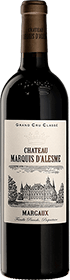 Château Marquis d'Alesme 20173ème Grand Cru Classé · Margaux→
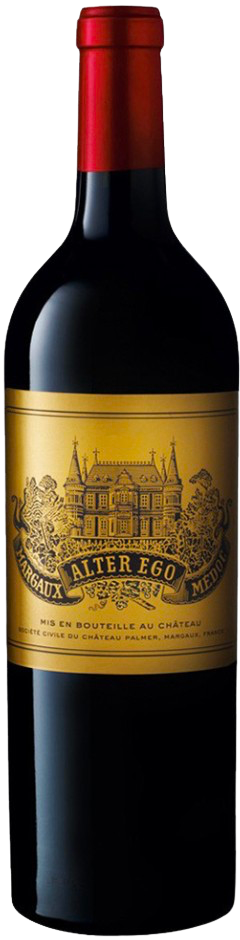 Château Palmer - Alter Ego 2014Margaux→
 Château Rauzan-Gassies 20122ème Grand Cru Classé · Margaux→
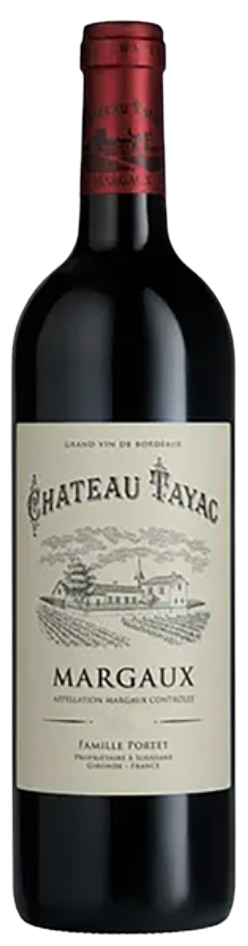 Famille Portet - Château Tayac 2019Margaux→
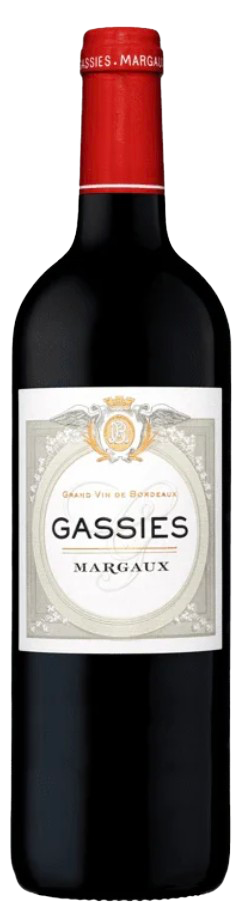 Gassies, Margaux 2020Margaux→
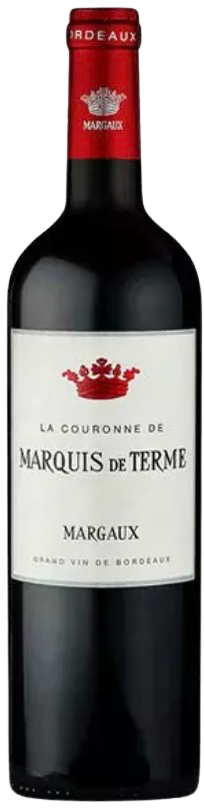 La Couronne de Marquis de Terme 20164ème Grand Cru Classé · Margaux→
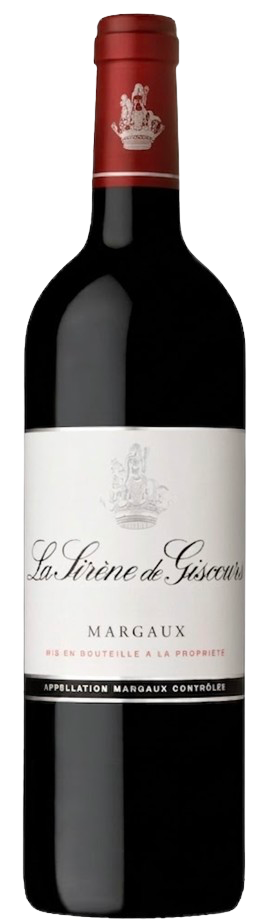 La Sirene de Giscours, Margaux 2015Margaux→
 Rauzan-Ségla 20142ème Grand Cru Classé · Margaux→