Pomerol, the discreet neighbour of Saint-Émilion
Northeast of Libourne, Pomerol occupies a small plateau on the edge of that of Saint-Émilion, on the right bank of the Dordogne. The appellation is tiny by Bordeaux standards — about 785 hectares — and split into small estates: in 2009, it counted some 140 estates with an average size of six hectares, a true "village republic."
The vine here is ancient: it owes its beginnings, in the 12th century, to the Order of the Hospitallers of Saint John of Jerusalem, who kept a staging post here on the road to Compostela. After phylloxera, the vineyard was replanted overwhelmingly with merlot — the grape variety that would make its fame.
The terroir: clay, gravel and iron
Beneath Pomerol lie the molasse of the Fronsadais, covered with deposits of sand, gravel and clay arranged in terraces. To the west, the middle terrace; toward the top of the appellation, at around forty metres of altitude, the oldest, known as the high terrace. In places, the gravel is cemented by iron oxides — what winegrowers call "crasse de fer" (iron-rich clay), which gives the wines an added complexity.
The jewel of the plateau is a small clay "buttonhole," located mainly at Pétrus and shared with Vieux Château Certan, La Conseillante, L'Évangile and Gazin. On this heavy clay, merlot reaches a unique concentration and velvetiness: it is here, on a few hectares, that the appellation's greatest bottles are made.
King merlot
While almost all Bordeaux grape varieties are permitted, Pomerol is the kingdom of merlot, which clearly dominates the blend and, for some crus such as Le Pin, makes up the entire blend. Vigorous and early-ripening, with thin skin, it gives aromatic wines — red fruit, spice — rich in sugar and alcohol, low in tannin.
Cabernet franc brings structure and aroma, and a touch of freshness that balances merlot's generosity. Minimum planting density is 5,500 vines per hectare, for a yield capped at 49 hectolitres.
The style of the wines: velvet
Pomerol is a deep-coloured red, generous and full-bodied, with a velvety texture that makes it appealing quite young while ensuring fine cellaring potential. Ripe fruit, spice and, with age, notes of truffle and game make it one of Bordeaux's most sensual wines.
Lacking an official classification — abolished along with the old tax-based classification — it is the reputation of the châteaux alone that ranks the appellation. Around Pétrus and Le Pin gravitate legendary names: Lafleur, Vieux Château Certan, Trotanoy, L'Évangile, La Conseillante. At the table, these wines elevate grilled red meats and game.
The grape varieties of Pomerol
Pomerol wines on 1001caves
Detailed pages: the cuvée, the estate, the drinking window and the bottles for sale between collectors.
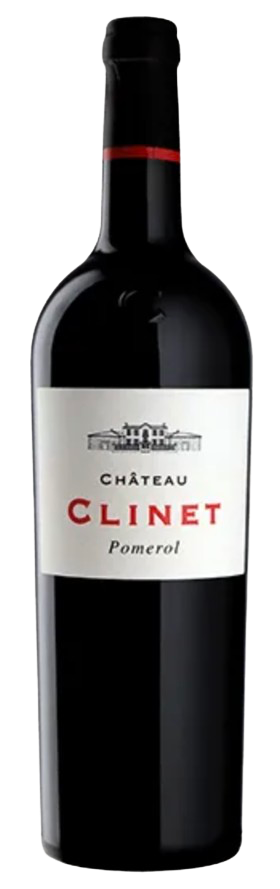 Château Clinet 2022Pomerol→
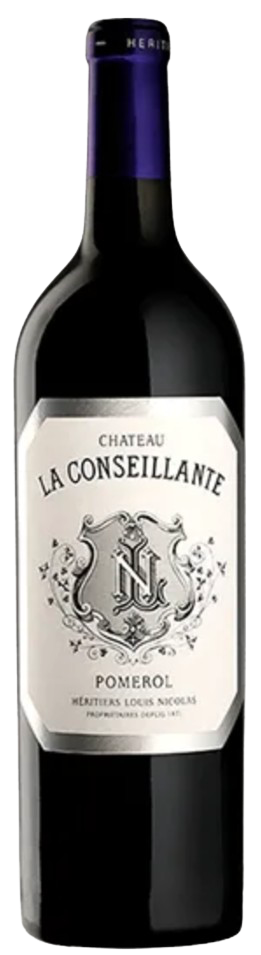 Château La Conseillante 1988Pomerol→
 Château La Fleur-Petrus, Pomerol 2005Pomerol→
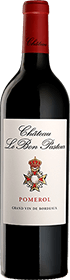 Château Le Bon Pasteur, Pomerol 2016Pomerol→
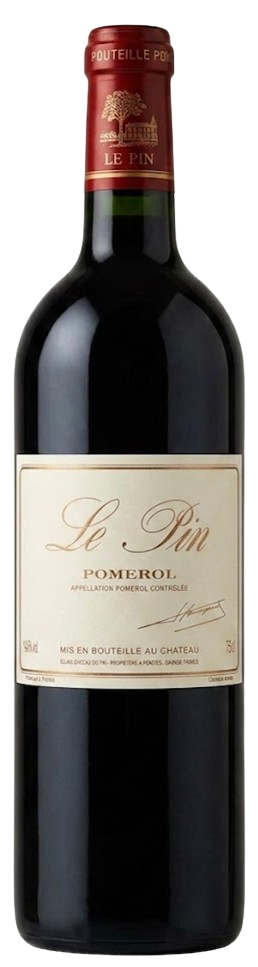 Château Le Pin 1987pomerol→
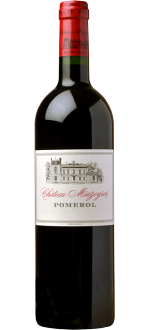 Château Mazeyres 2016Pomerol→
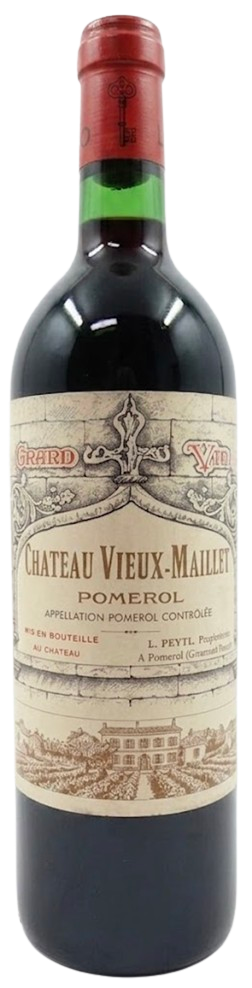 Château Vieux-Maillet 1976Pomerol→
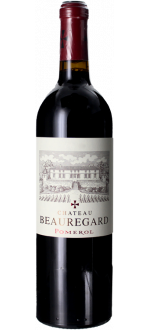 Clos Beauregard 2016Pomerol→
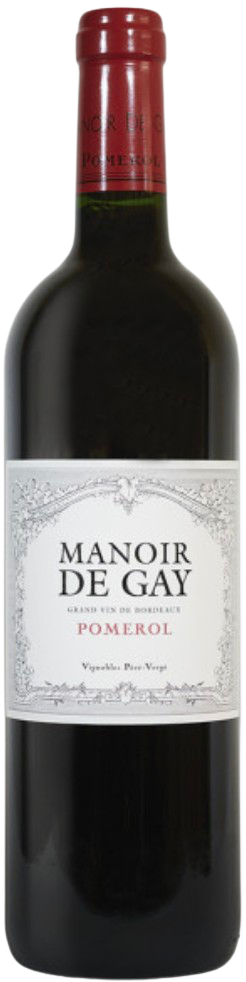 Le Gay - Manoir de Gay, Pomerol 2018Pomerol→
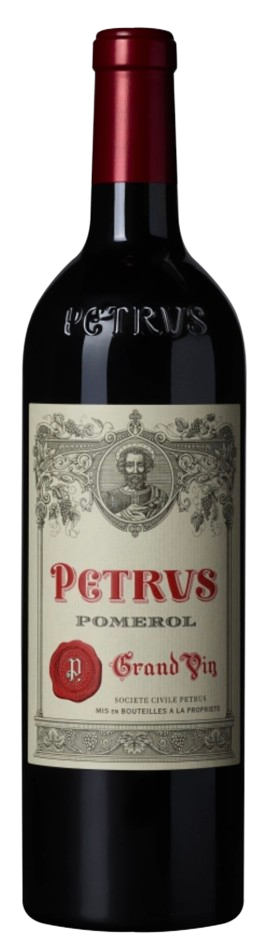 Petrus 1955Pomerol→Petrus 1969Pomerol→
 Petrus 1972Pomerol→Petrus 1980Pomerol→
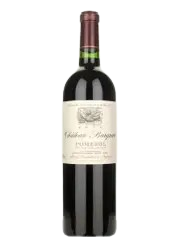 Pierre Bourrotte - Château Burgrave 1990Pomerol→
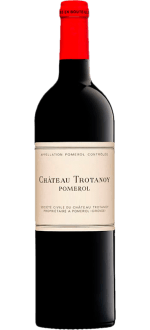 Propriété de Jean-Pierre Moueix - Château Trotanoy 1985Pomerol→Société Fermière des Grands Crus de France - Clos Beauregard 2012Pomerol→
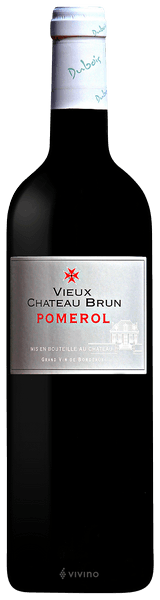 Vieux Château Brun 2015Pomerol→
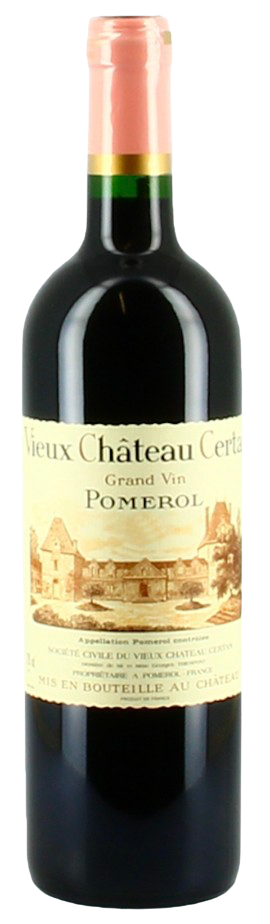 Vieux Château Certan 1978Pomerol→Vieux Château Certan 2008Pomerol→