The Sauternais, between Garonne and Ciron
South of Bordeaux, on the left bank of the Garonne, the Sauternes appellation brings together five communes: Sauternes, Bommes, Fargues, Preignac and Barsac — the latter also able to claim its own appellation. All lie on either side of the Ciron, a small tributary whose role is crucial.
For here, the wine cannot be understood without the geography. It was Dutch merchants who, in search of white wines, developed the vineyard; mastery of noble rot, meanwhile, became established in the 19th century, with several estates disputing its discovery.
Noble rot: the miracle of the Ciron
The Ciron flows beneath the forest cover of the Landes; its cold water, meeting the warmer Garonne, generates morning mists in autumn that blanket the vineyard before clearing later in the morning. This humidity triggers the development of the fungus Botrytis cinerea in its beneficial form: noble rot.
The fungus perforates the skin of the berry, which dehydrates and shrivels: the pulp concentrates its sugars and takes on aromas of candied fruit. The grapes must therefore be harvested by hand, through successive selective pickings — three to six passes depending on the year — with pickers selecting only the 'roasted' berries at perfect ripeness. Machine harvesting is impossible here, and yields are minuscule.
The terroir and the grape varieties
The subsoil is clay-limestone or limestone, covered by a variable thickness of gravel. The most prestigious growths occupy gravel rises a few dozen metres high, well drained; elsewhere, sandy terraces and clay alternate closer to the Garonne. This mosaic nuances the style of each estate.
Sémillon dominates the blend: its thick skin lends itself ideally to botrytisation, and it brings richness and sweetness. Sauvignon gives it the acidity and freshness that keep the sweetness from feeling heavy, while muscadelle, in small proportion, adds complexity. Planting density is at least 6,500 vines per hectare.
The style, the classification and the table
Sauternes is a sweet white wine with a golden robe, rich with at least 45 grams of residual sugar per litre, with aromas of candied fruit, honey and spices further complexified by barrel ageing. It is a wine for very long cellaring, which improves over decades. It is served chilled, around 8 to 9°C.
The 1855 classification crowned the white wines of Sauternes-Barsac: at the summit, a unique rank, 'premier cru supérieur', for Château d'Yquem alone, ahead of eleven first growths (Climens, Guiraud, Rieussec, Suduiraut, La Tour Blanche…) and a series of second growths. At the table, Sauternes pairs with foie gras, blue cheeses and spiced dishes as much as with desserts.
The grape varieties of Sauternes
Sauternes wines on 1001caves
Detailed pages: the cuvée, the estate, the drinking window and the bottles for sale between collectors.
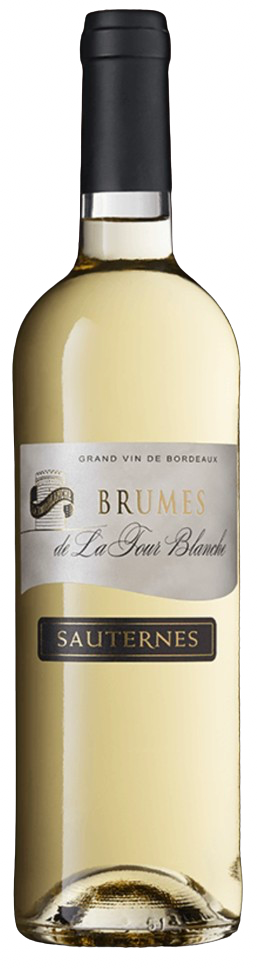 Brumes de La Tour Blanche 20211er Cru Classé (Sauternes) · Sauternes→
 Château d'Yquem 19791er Cru Supérieur (Sauternes) · Sauternes→Château d'Yquem 19871er Cru Supérieur (Sauternes) · Sauternes→
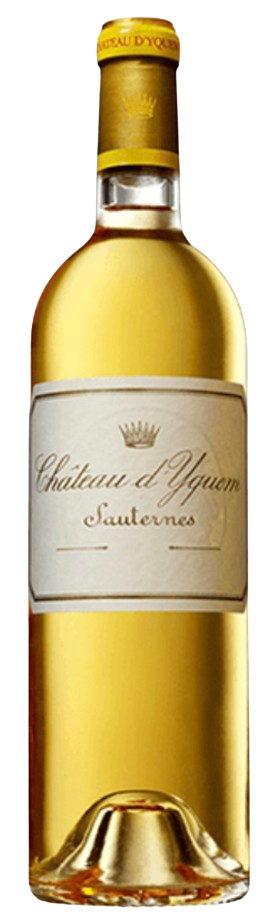 Château d'Yquem 19951er Cru Supérieur (Sauternes) · Sauternes→Château d'Yquem 20081er Cru Supérieur (Sauternes) · Sauternes→Château d'Yquem 20101er Cru Supérieur (Sauternes) · Sauternes→Château d'Yquem 20131er Cru Supérieur (Sauternes) · Sauternes→
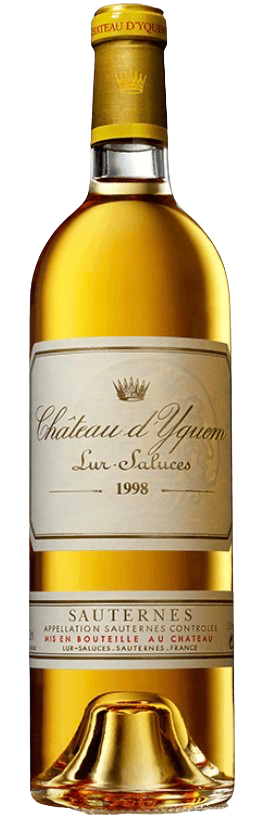 Château d'Yquem lur saluces 19901er Cru Supérieur (Sauternes) · Sauternes→
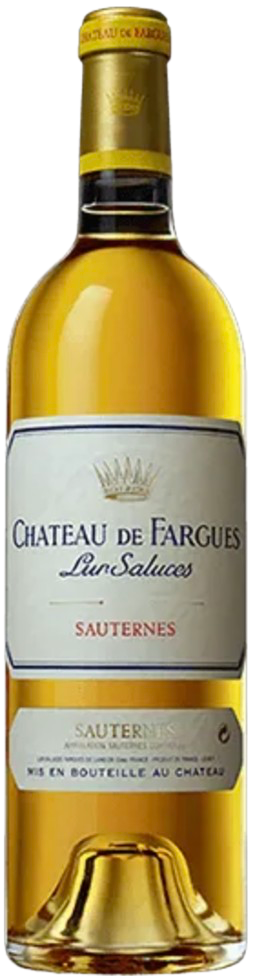 Château de Fargues, Lur Saluces 1989Sauternes→
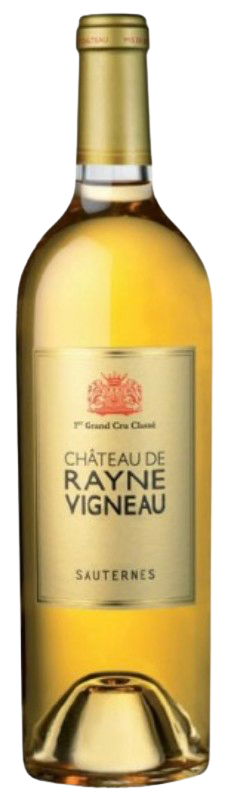 Château de Rayne Vigneau 20091er Cru Classé (Sauternes) · Sauternes→
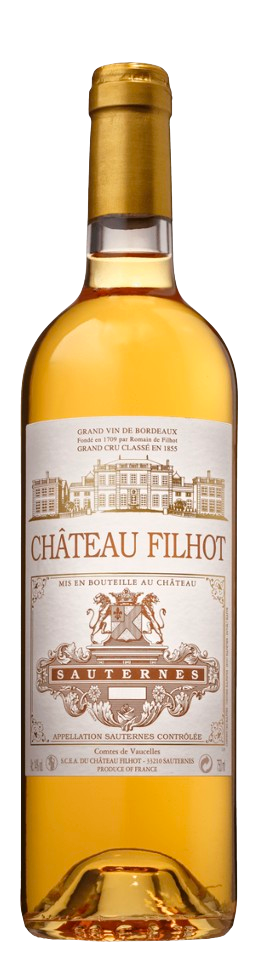 Château Filhot 20152ème Cru Classé (Sauternes) · Sauternes→
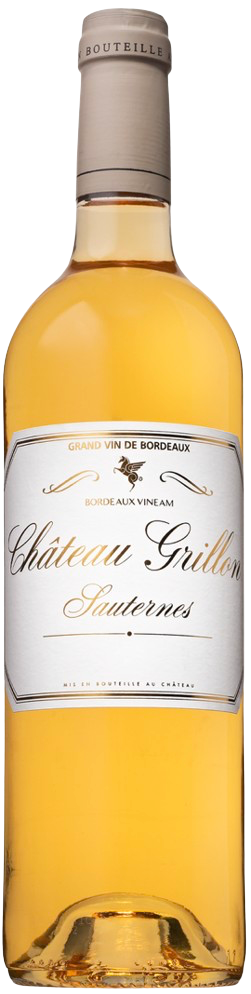 Château Grillon 1993Sauternes→
 Château Guiraud 1er Cru 19901er Cru Classé (Sauternes) · Sauternes→
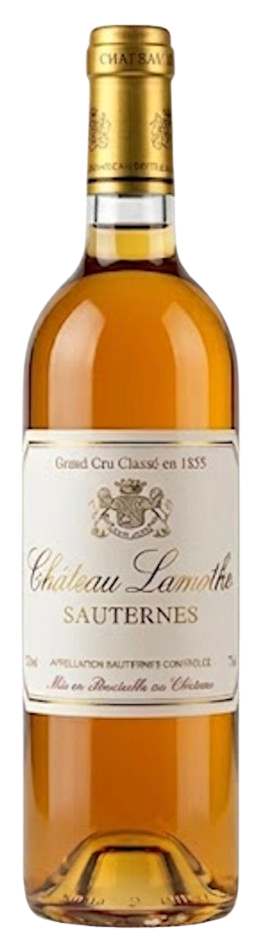 Château Lamothe 19902ème Cru Classé (Sauternes) · sauternes→
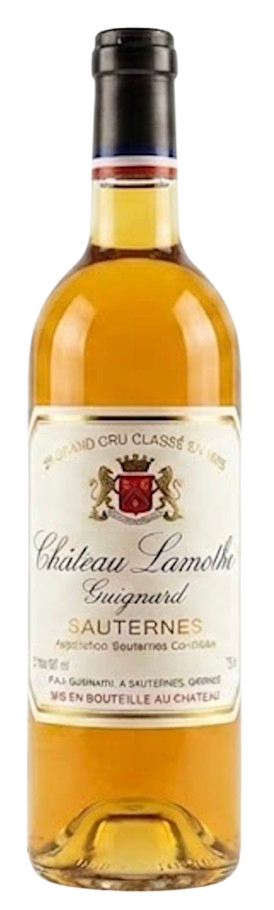 Château Lamothe-Guignard 19822ème Cru Classé (Sauternes) · Sauternes→
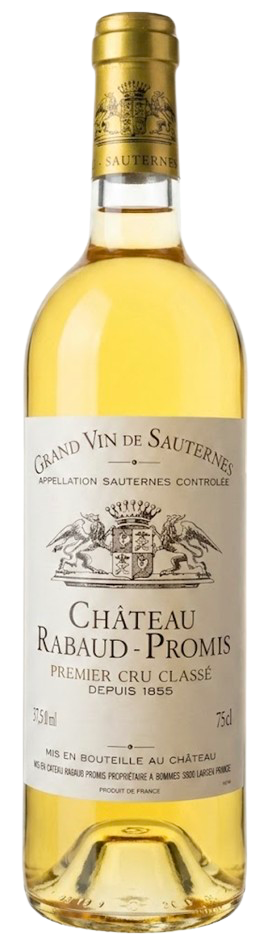 Château Rabaud-Promis 19821er Cru Classé (Sauternes) · Sauternes→Château Rabaud-Promis 19861er Cru Classé (Sauternes) · Sauternes→Château Rabaud-Promis 20001er Cru Classé (Sauternes) · Sauternes→
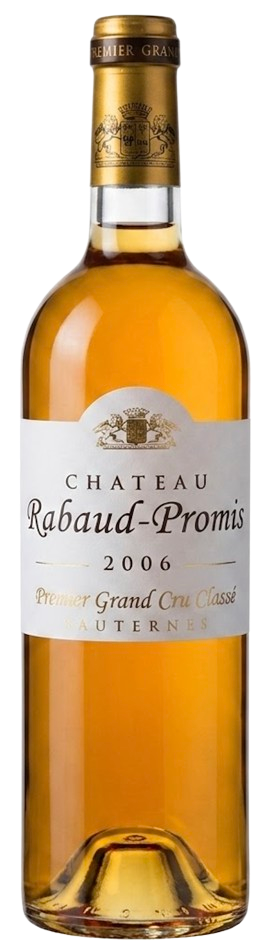 Château Rabaud-Promis 20061er Cru Classé (Sauternes) · Sauternes→Châteaux d'Yquem 20221er Cru Supérieur (Sauternes) · Sauternes→
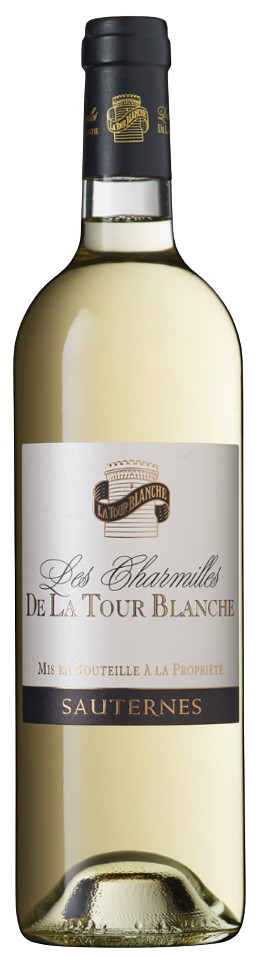 La Tour Blanche - Les Charmilles de Tour Blanche 20211er Cru Classé (Sauternes) · Sauternes→