An Appellation Running from the Yonne to the Beaujolais
Few French appellations cover so vast a territory. AOC Bourgogne extends across four départements — the Yonne, the Côte-d'Or, Saône-et-Loire and the Rhône — that is, 55 communes in the Yonne, 91 in the Côte-d'Or, 154 in Saône-et-Loire and 85 in the Rhône, the last corresponding to the arrondissement of Villefranche-sur-Saône, in other words the Beaujolais vineyard. This perimeter is no accident: it repeats the one set out in the founding decree of 31 July 1937, which defined "winegrowing Burgundy" as those three départements plus the Beaujolais arrondissement.
One received idea therefore has to go: generic bourgogne is not a wine "from nowhere", made on poor parcels down on the plain. The appellation area also takes in every parcel classified in a village appellation: a grower in Gevrey or in Meursault can perfectly well declassify a cuvée to bourgogne. Between a bourgogne from the lower slopes of the Côte de Beaune, a bourgogne from the Auxerrois and a bourgogne from the Mâconnais, the only thing genuinely shared is the appellation rules.
The Soils: A Jurassic Limestone Thread, North to South
Across such an expanse there is not one terroir but a family of terroirs, all inherited from the same long Jurassic episode. In the Yonne, the vine sits on Kimmeridgian and Portlandian ground, marls and limestones born of a warm sea some 150 million years ago. In the Côte-d'Or you descend through geological time: the Bajocian and the Bathonian of the Middle Jurassic form the limestone cornices, while Oxfordian and Callovian marls feed the lower slopes. Further south, the Côte chalonnaise breaks up into small limestone knolls, and the Mâconnais lines up slabs of crinoidal limestone and marl.
The great difference from the village appellations lies less in the nature of the rock than in the position on the slope. The climats classified as premiers and grands crus occupy the mid-slope, where the limestone scree is thin and free-draining; AOC Bourgogne more often takes the footslopes, with deeper and more clay-rich soils, sometimes covered by colluvium or ancient alluvium. Hence wines that are generally suppler, softer and ready earlier — except when the grower is working high parcels or lieux-dits bordering the villages, which changes everything.
Fourteen Geographical Denominations — and Not One AOC More
This is the point the label makes confusing. Fourteen vineyards may attach their name to that of the appellation: bourgogne chitry, bourgogne côte chalonnaise, bourgogne côte d'Auxerre, bourgogne côte d'or, bourgogne côte Saint-Jacques, bourgogne côtes du Couchois, bourgogne coulanges-la-vineuse, bourgogne épineuil, bourgogne hautes côtes de Beaune, bourgogne hautes côtes de Nuits, bourgogne la Chapelle Notre-Dame, bourgogne le chapitre, bourgogne montrecul and bourgogne tonnerre. These are geographical denominations within AOC Bourgogne, not separate appellations: the wine remains legally a bourgogne, governed by the same rules, with tighter production conditions over a narrower area.
Their history is one of gradual recognition. The Hautes Côtes de Beaune and the Hautes Côtes de Nuits appeared in 1961; the côte chalonnaise in 1990; a batch of Yonne and Dijon denominations in 1993 (côte d'Auxerre, chitry, coulanges-la-vineuse, épineuil, la Chapelle Notre-Dame at Ladoix-Serrigny, montrecul at Dijon, le chapitre at Chenôve); côte Saint-Jacques, a single hillside at Joigny, in 1996; the côtes du Couchois in 2000; tonnerre in 2006; and finally côte d'or in 2017. Some areas eventually broke free: Irancy, long a mere denomination of bourgogne, became a full AOC in 1999.
The "Bourgogne Gamay" Mention, a Case Apart
In red, the appellation rests on pinot noir. The specification does, however, tolerate secondary varieties capped at 15% of the blend — chardonnay, pinot blanc, pinot gris, and césar limited to 10% in the Yonne département alone. Gamay is the exception: it is allowed up to 30%, but only if it comes from the areas of the ten Beaujolais crus.
From that opening was born the "gamay" mention, applicable from the 2011 harvest onwards. The specification is explicit: the name of the appellation must be followed by the word "gamay" for wines from the delimited parcel areas of the ten Beaujolais crus — Brouilly, Chénas, Chiroubles, Côtes de Brouilly, Fleurie, Juliénas, Morgon, Moulin-à-Vent, Régnié and Saint-Amour — whose blend contains at least 85% gamay, the balance being in practice pinot noir. Gamay from the Beaujolais and Beaujolais-Villages areas is excluded, and the wording must appear beneath the appellation name in letters of the same size. It is the modern extension of an old frontier: since the court rulings of the interwar years, the name "bourgogne" was reserved for wines of pinot noir and chardonnay, gamay being sent off to passe-tout-grains and to "bourgogne grand ordinaire", since renamed coteaux bourguignons.
The Style of the Wines and the Yields
The permitted yields are among the highest in Burgundy: 60 hl/ha in red and rosé, 68 hl/ha in white, with maximum yields of 69 and 77 hl/ha. In 2023, excluding the geographical denominations, the appellation produced 102,577 hl of red, 83,131 hl of white and 1,570 hl of rosé or clairet, from 1,748 ha of red, 1,326 ha of white and 26.5 ha of rosé. White, long in the minority, has advanced spectacularly: it accounted for just 846 ha in 2008.
In red, bourgogne is a pinot noir of immediate pleasure: pale ruby robe, a nose of cherry, raspberry and redcurrant, a fruity palate with fine tannins. It is served at around 14-16°C with jambon persillé, charcuterie or poultry, and drunk within two to six years. In white, chardonnay gives a supple, aromatic wine, at once lemony and buttery, served between 10 and 12°C with snails, river fish or a young comté, to be drunk within two to five years. But the watchword remains: read the label. Between a high-volume négoce bourgogne and a single-parcel bourgogne signed by a great estate of the Côte, the gap is immense — and that is exactly where the region's best bargains are to be found.
A History of Delimitation
The Bourgogne appellation is a child of the fight against fraud. The law of 6 May 1919 on the protection of appellations of origin obliged producers and merchants to name wines according to their true origin; a court ruling in the interwar years then restricted the name "bourgogne" to wines of pinot noir and chardonnay. The first fifteen village appellations were created between 1936 and 1938, and the decree of 31 July 1937 gave AOC Bourgogne its first specification, with yields capped at 45 hl/ha as a five-year average.
What followed was a succession of adjustments: the yield lowered to 40 hl/ha in 1943, the creation that same year of bourgogne mousseux for sparkling wines, then the long series of geographical denominations, from 1961 to 2017. That last step — the recognition of "bourgogne côte d'or" in 2017 — says everything about the underlying logic: within a deliberately broad appellation, growers have never stopped wanting to say exactly where their wine came from.
The grape varieties of Bourgogne
Bourgogne wines on 1001caves
Detailed pages: the cuvée, the estate, the drinking window and the bottles for sale between collectors.
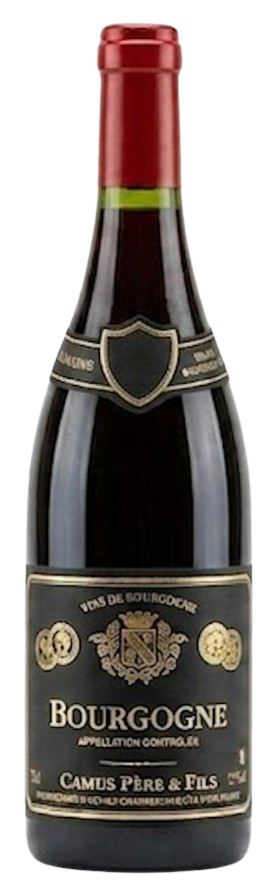 Camus Père et Fils - Bourgogne Pinot Noir 2015Bourgogne→
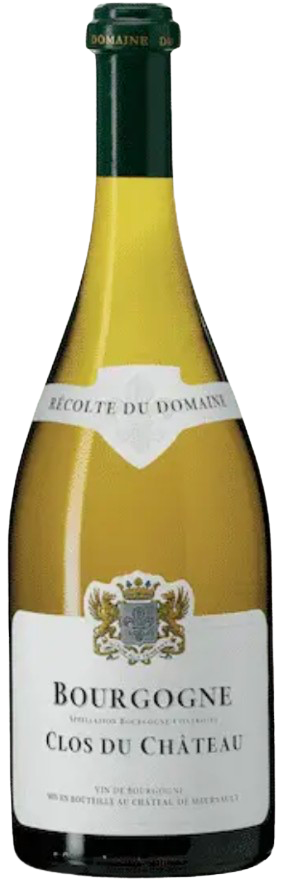 Château de Meursault - Clos du Château 2009Bourgogne→
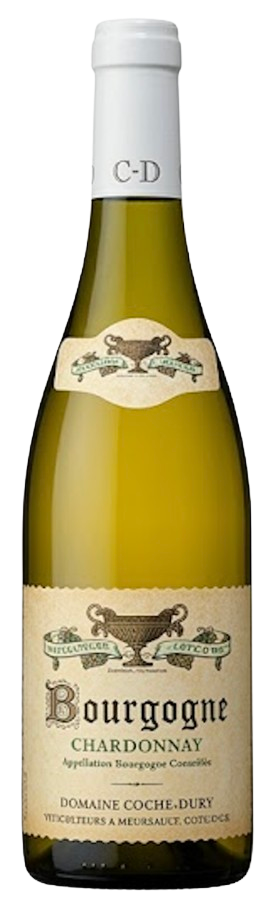 Coche-Dury - Bourgogne Chardonnay 2009Bourgogne→
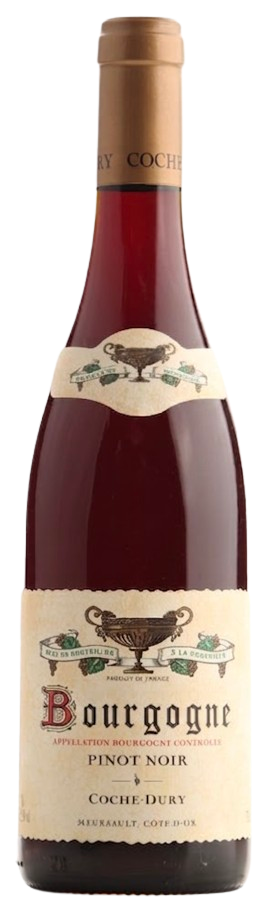 Coche-Dury - Bourgogne Pinot Noir 2012Bourgogne→Coche-Dury - Bourgogne Pinot Noir 2017Bourgogne→
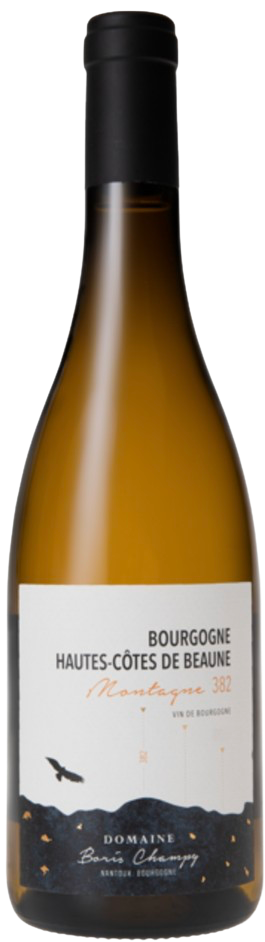 Domaine Boris Champy - Montagne 382 2023Bourgogne Hautes-Côtes de Beaune→
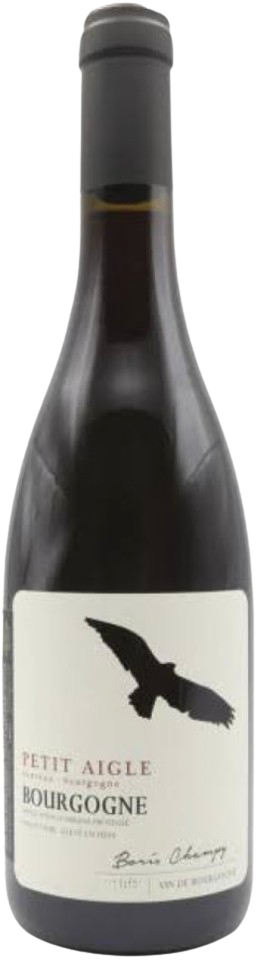 Domaine Boris Champy - Petit Aigle, Chardonnay 2024Bourgogne→
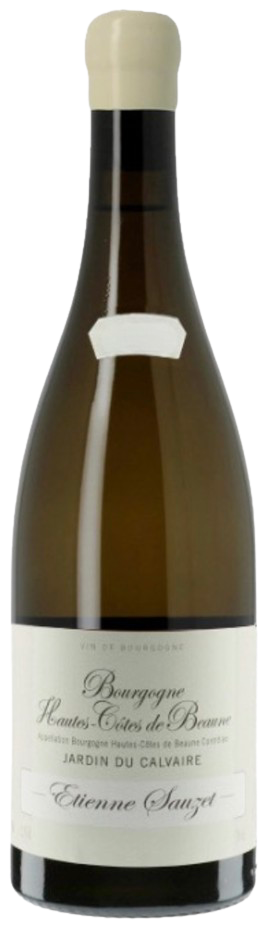 Etienne Sauzet - Jardin du Calvaire 2020Bourgogne Hautes-Côtes de Beaune→
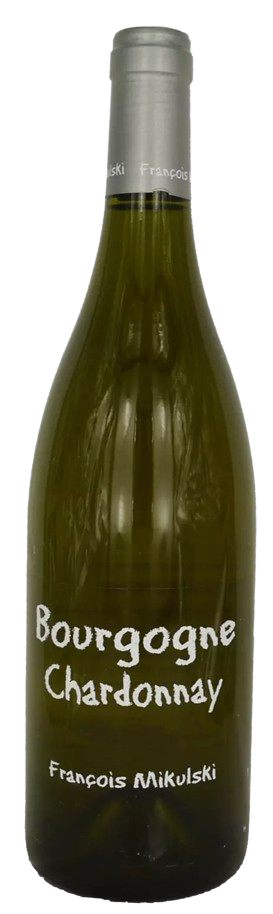 Francois Mikulski - Bourgogne, Côte d'Or Chardonnay 2023Bourgogne→
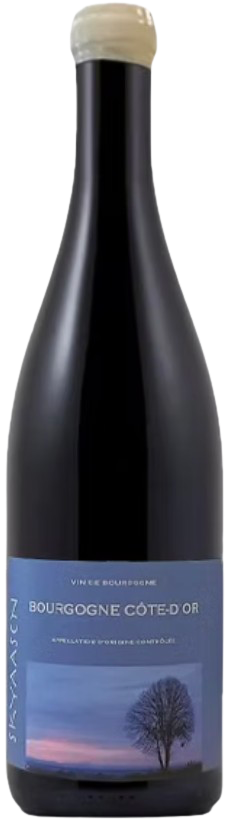 Maison Skyaasen - Bourgogne Côte d’Or 2024Bourgogne Côte d’Or→
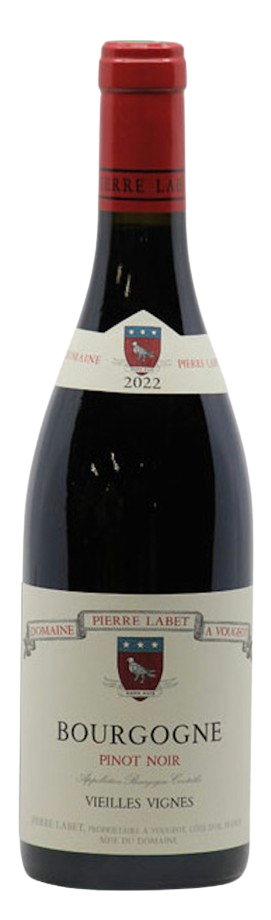 Pierre Labet - Bourgogne Pinot Noir Vieilles Vignes 2020Bourgogne→