The birthplace of appellations
The name comes from the castle built by the Avignon popes in the fourteenth century, when the papacy was based in the Comtat Venaissin. But Châteauneuf's modern fame rests on something else: here, in the 1920s, Baron Le Roy de Boiseaumarié secured local production rules covering the area, permitted varieties, minimum alcohol and sorting at harvest.
This text served as a model for the 1935 law creating appellations d'origine contrôlée, and Châteauneuf-du-Pape was recognised in 1936 among France's very first AOCs. The whole appellation structure owes something to this experiment.
Rounded stones, and more besides
The familiar image shows soil entirely covered by large quartzite pebbles, rounded by the Rhône and deposited millennia ago. They store daytime heat and release it at night, accelerating ripening, while also forcing the vines to root deeply.
But the appellation is more varied than is often said: alongside pebble terraces lie safres, molasse sands giving finer, more ethereal wines, and deeper red clays. The great blends draw on these differences as much as on those between grape varieties.
Thirteen varieties, endless blends
The rules allow thirteen varieties, or eighteen if their colour variants are counted separately. Grenache noir almost always dominates, bringing warmth, candied fruit and generosity; Syrah adds colour and pepper, Mourvèdre structure and ageing potential, and Cinsault finesse.
There is therefore no single Châteauneuf style, but dozens, from the sunniest to the most slender. Whites, around 7% of production, rely mainly on Grenache blanc, the appellation's most planted white variety, with Clairette, Roussanne and Bourboulenc. Broad and floral, they are drunk young or after long ageing, rarely in between. Serve reds around 17°C and whites at 12°C.
The grape varieties of Châteauneuf-du-Pape
Châteauneuf-du-Pape wines on 1001caves
Detailed pages: the cuvée, the estate, the drinking window and the bottles for sale between collectors.
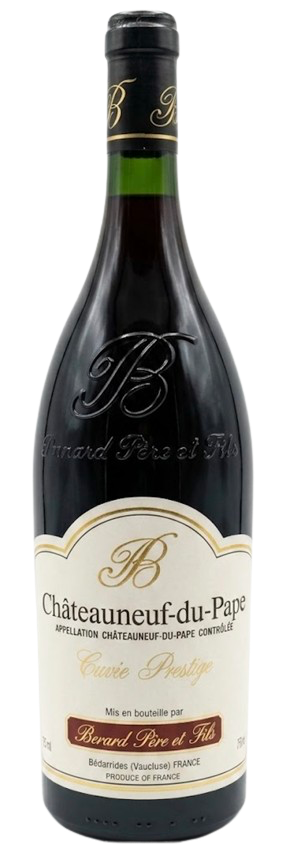 Bérard Père et Fils - Châteauneuf-du-Pape Cuvée Prestige 1982Châteauneuf-du-Pape→
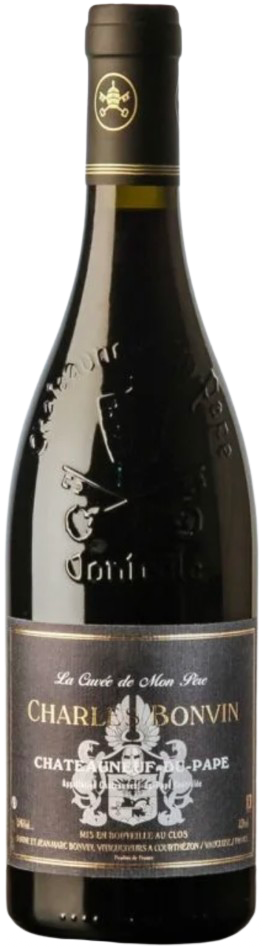 Charles Bonvin - Châteauneuf-du-Pape, La Cuvée de Mon Père 2023Châteauneuf-du-Pape→
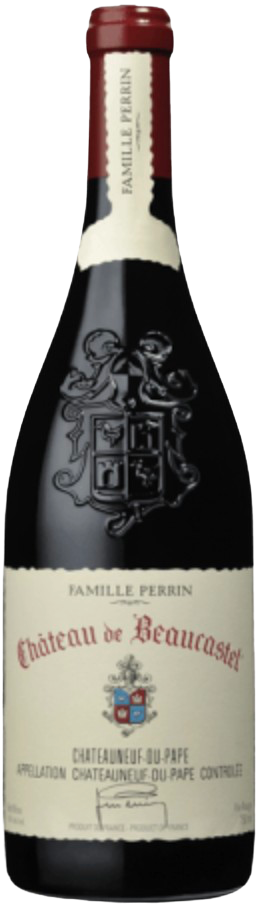 Château de Beaucastel 2023Châteauneuf-du-Pape→
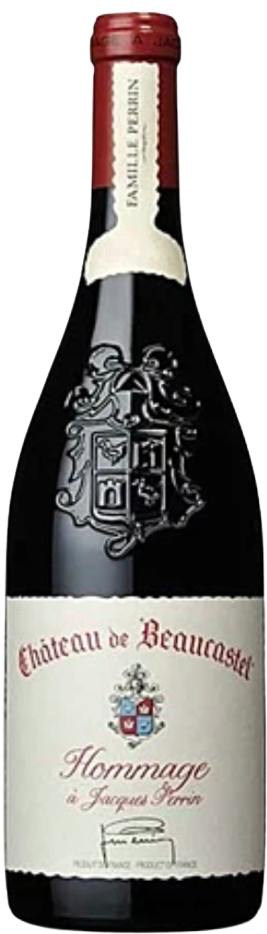 Château de Beaucastel - Hommage à Jacques Perrin Châteauneuf-du-Pape 2014hChâteauneuf-du-Pape→
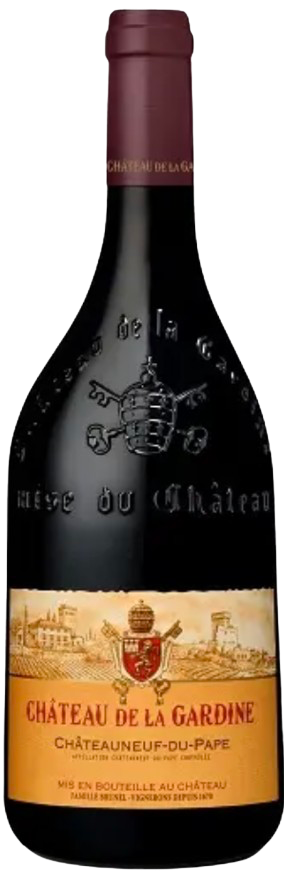 Château de la Gardine - Châteauneuf du Pape 2015Châteauneuf du Pape→
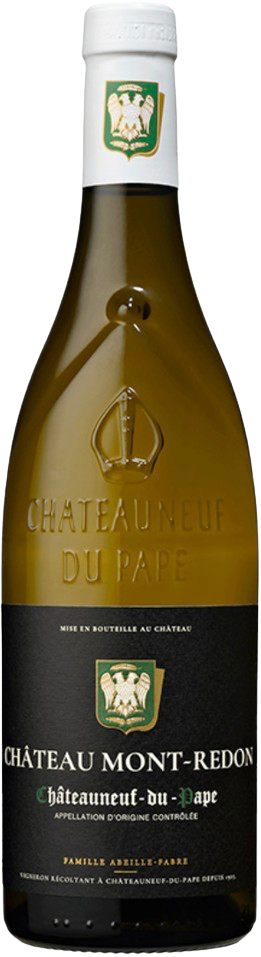 Château Mont-Redon, Châteauneuf-du-Pape 2024Châteauneuf-du-Pape→
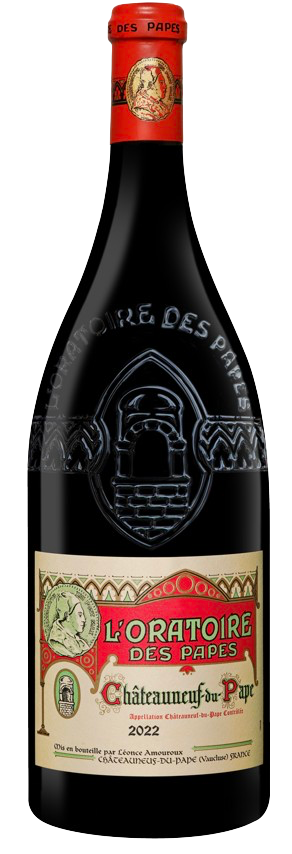 Châteauneuf-du-Pape - Loratoire des Papes 2022Châteauneuf-du-Pape Controlée→
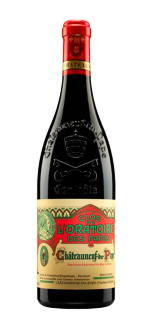 Clos de l'Oratoire des Papes 2016Grand Cru Classé · Châteauneuf-du-Pape→
 Clos des Papes 2023Châteauneuf-du-Pape→
 Clos du Mont-Olivet - Châteauneuf-du-Pape 2023Châteauneuf-du-Pape→
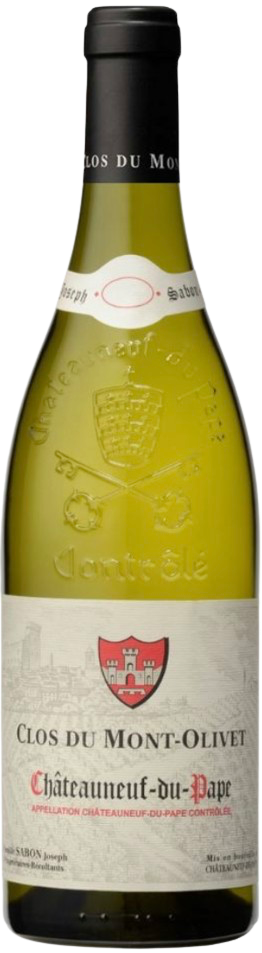 Clos du Mont-Olivet - Châteauneuf-du-Pape 2025Châteauneuf-du-Pape→
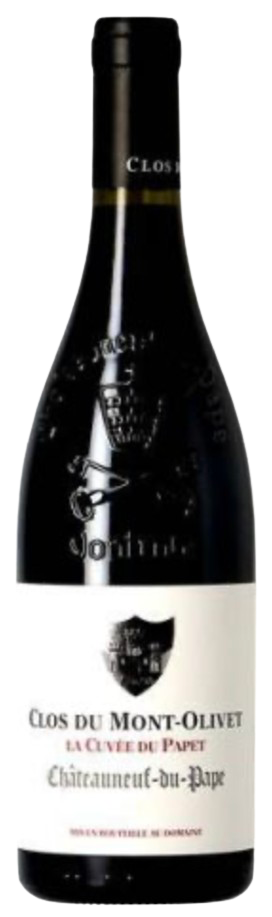 Clos du Mont-Olivet - La Cuvée du Papet 2023Châteauneuf-du-Pape→
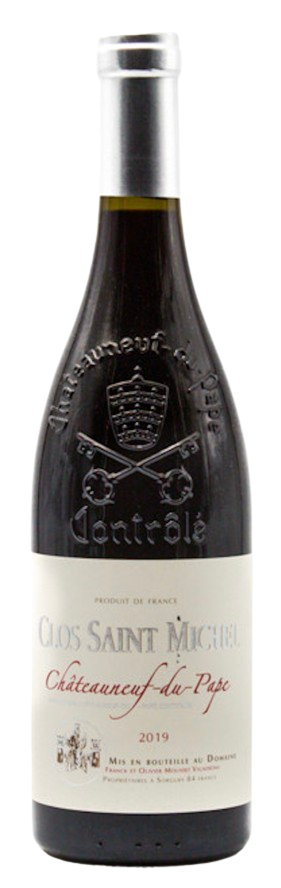 Clos Saint-Michel - Châteauneuf-du-Pape 1982Châteauneuf-du-Pape→
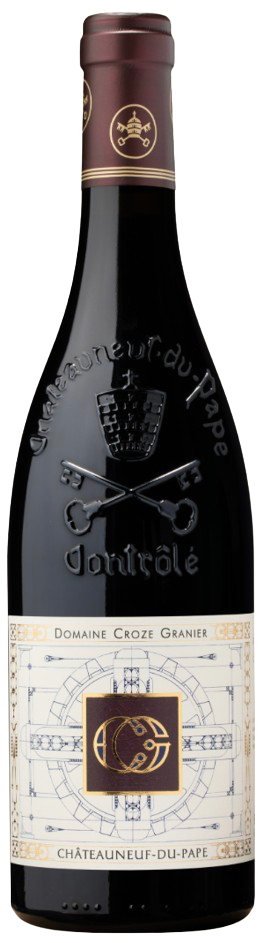 Châteauneuf du pape Croze Granier 2023Châteauneuf-du-Pape→
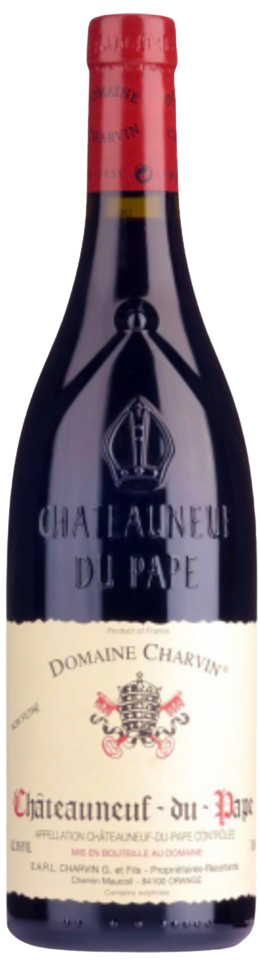 Domaine Charvin - Châteauneuf-du-Pape 2013Châteauneuf-du-Pape→
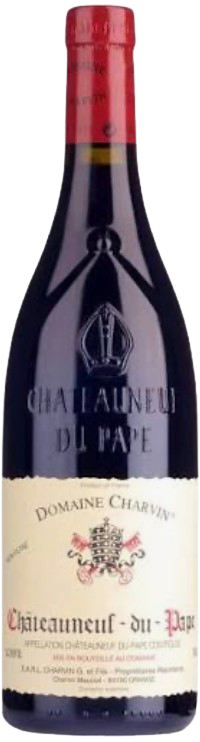 Domaine Charvin - Châteauneuf-du-Pape 2022Châteauneuf-du-Pape→
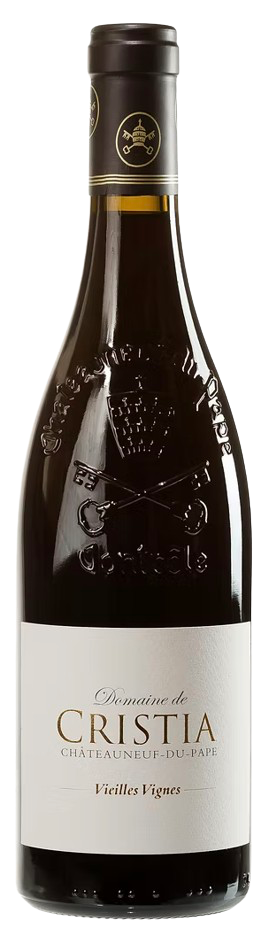 Domaine de Cristia - Châteauneuf-du-Pape Vieilles Vignes 2022Châteauneuf-du-Pape→
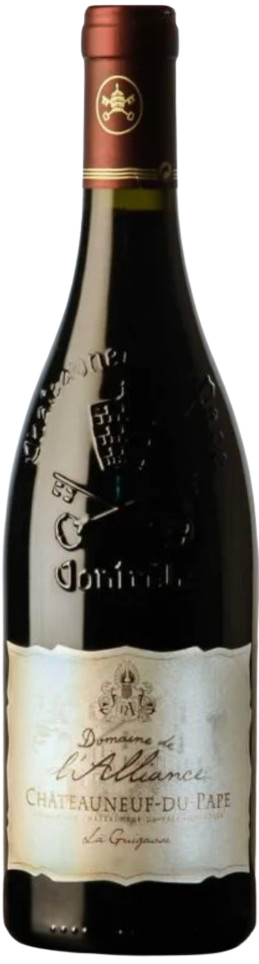 Domaine de l'Alliance - Châteauneuf-du-Pape, La Guigasse 2023Châteauneuf-du-Pape→
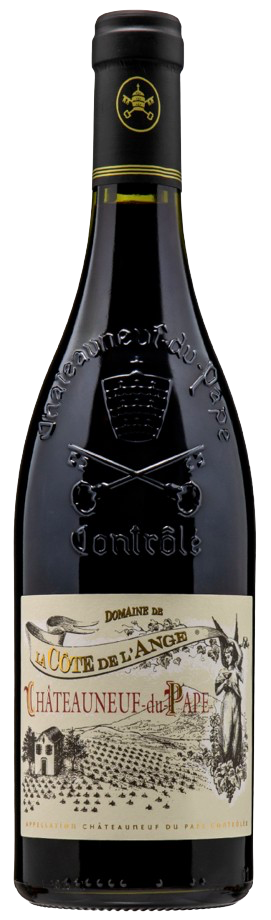 Domaine de la Côte de l'Ange 2019Châteauneuf-du-Pape→
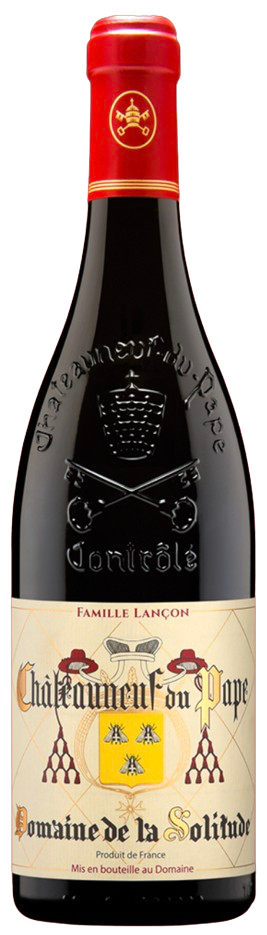 Domaine de la Solitude - Châteauneuf-du-Pape 2017Châteauneuf-du-Pape→Domaine de la Solitude - Châteauneuf-du-Pape 2018Châteauneuf-du-Pape→Domaine de la Solitude - Châteauneuf-du-Pape 2019Châteauneuf-du-Pape→
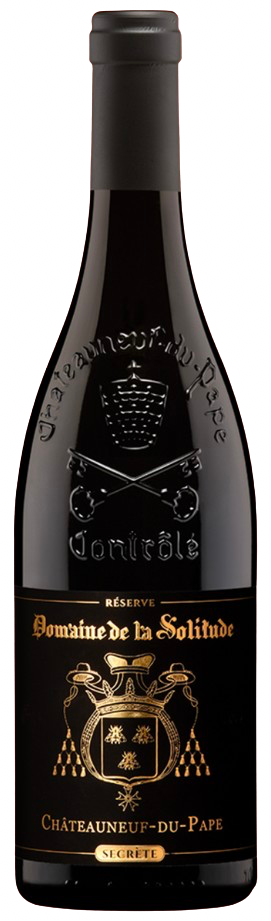 Domaine de la Solitude - Châteauneuf-du-Pape Réserve Secrète 2017Châteauneuf-du-Pape→
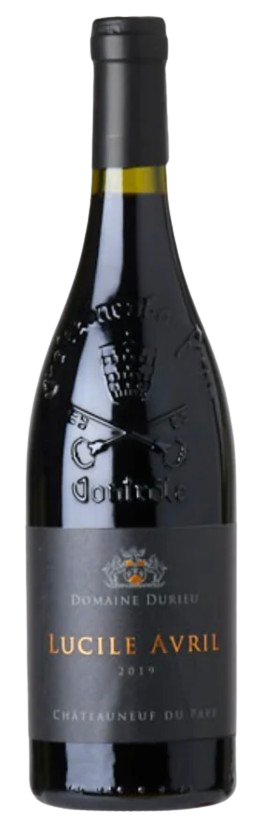 Domaine Durieu Réserve Lucile Avril 2019Châteauneuf-du-Pape→
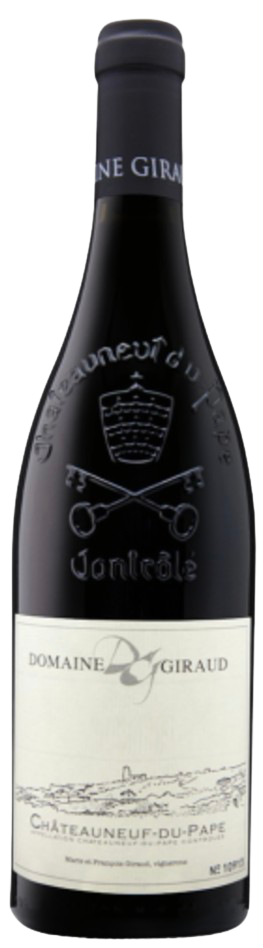 Domaine Giraud 2020Châteauneuf-du-Pape→
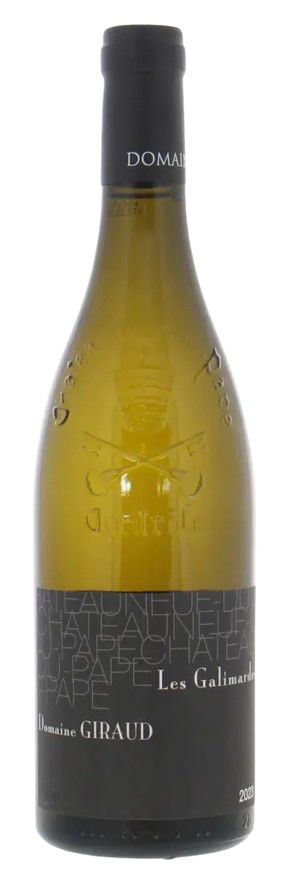 Domaine Giraud - Les Galimardes 2023Châteauneuf du pape→
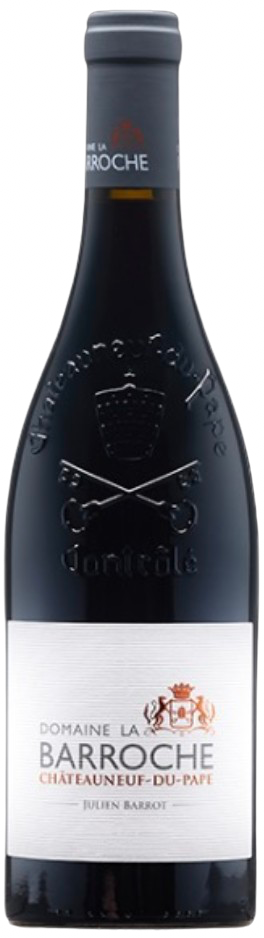 Domaine La Barroche - Châteauneuf-du-Pape 2019Châteauneuf-du-Pape→
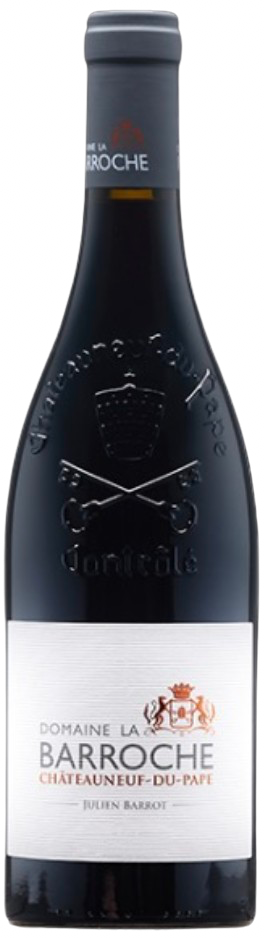 Domaine La Barroche - Châteauneuf-du-Pape 2024Châteauneuf-du-Pape→
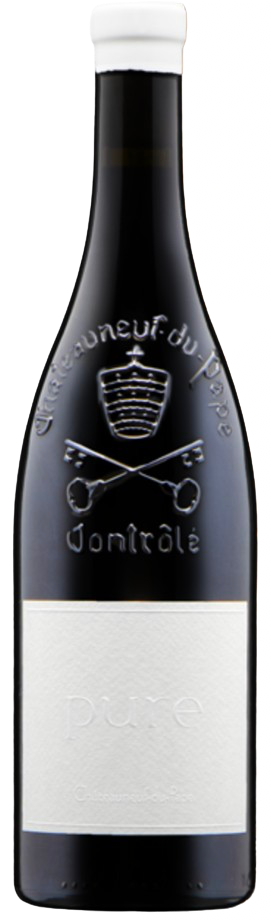 Domaine La Barroche - Châteauneuf-du-Pape Pure 2021Châteauneuf-du-Pape→
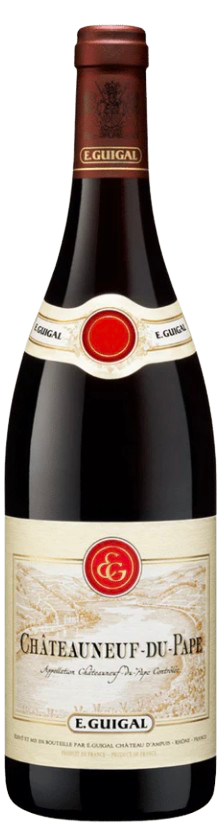 E. Guigal, Châteauneuf-du-Pape, Rouge 2007Châteauneuf-du-Pape→E. Guigal, Châteauneuf-du-Pape, Rouge 2016Châteauneuf-du-Pape→E. Guigal, Châteauneuf-du-Pape, Rouge 2020Châteauneuf-du-Pape→
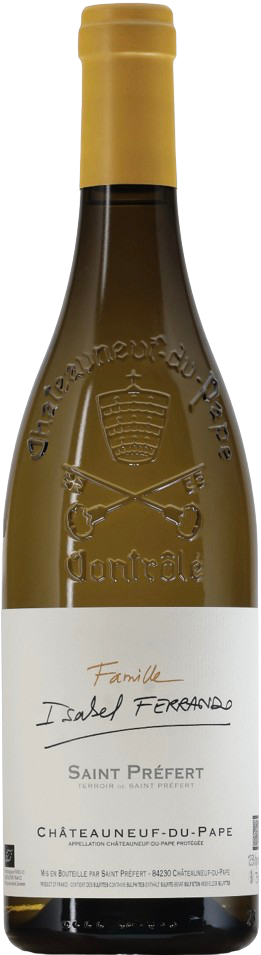 Famille Isabel Ferrando - Saint Préfert 2024Châteauneuf-du-Pape→
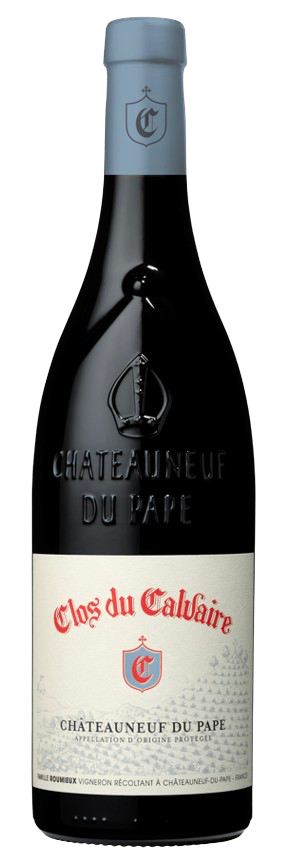 Famille Mayard - Châteauneuf-du-Pape, Clos du Calvaire 2022Châteauneuf-du-Pape→
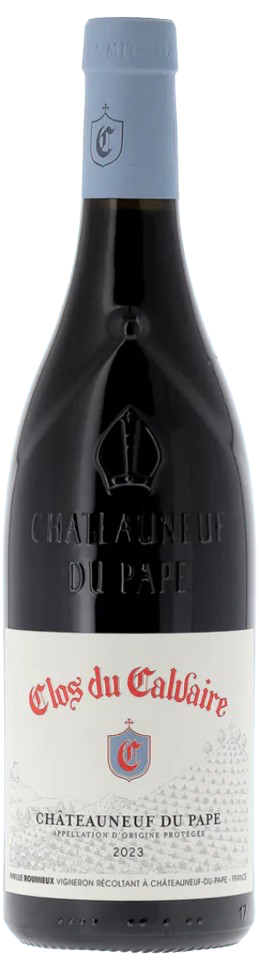 Famille Mayard - Châteauneuf-du-Pape, Clos du Calvaire 2023Châteauneuf-du-Pape→
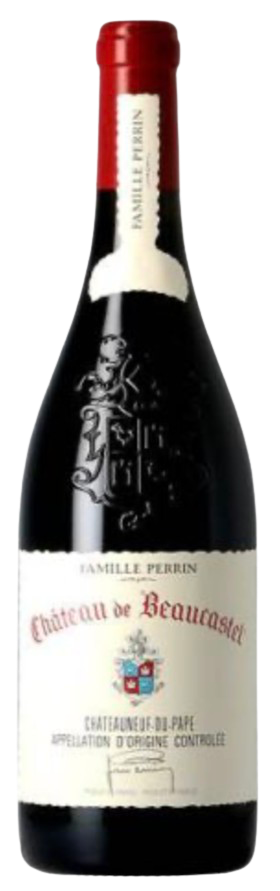 Famille Perrin - Château de Beaucastel 2022Châteauneuf-du-Pape→
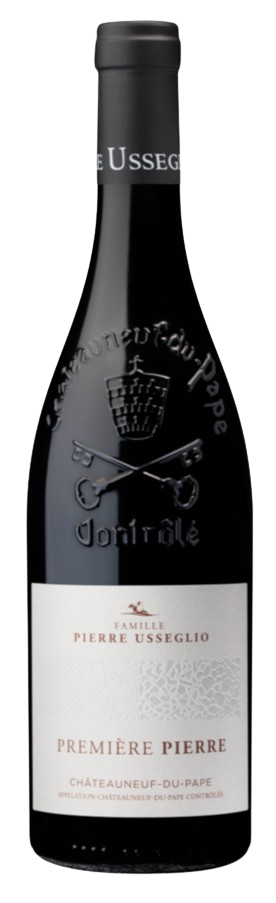 Famille Pierre Usseglio - Première Pierre 2023Châteauneuf-du-Pape→Guigal - Châteauneuf du Pape 2011Châteauneuf du Pape→Guigal - Châteauneuf du Pape 2015Châteauneuf-du-Pape→
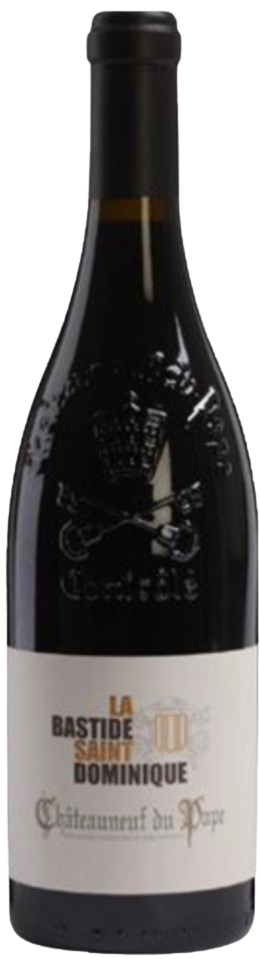 La Bastide Saint Dominique 2023Châteauneuf-du-Pape→
 M. Chapoutier - Châteauneuf-du-Pape, Barbe Rac 2013Châteauneuf-du-Pape→
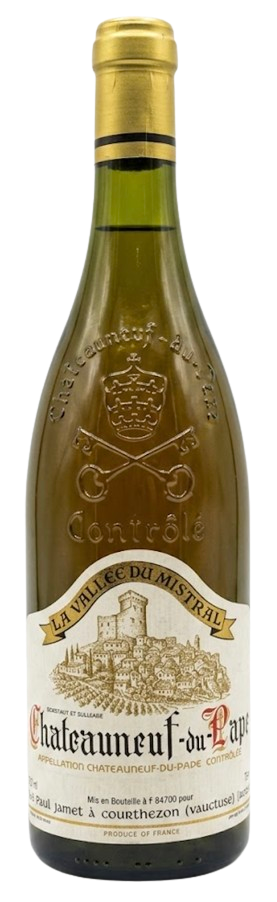 Paul Jamet 1990Châteauneuf-du-Pape→
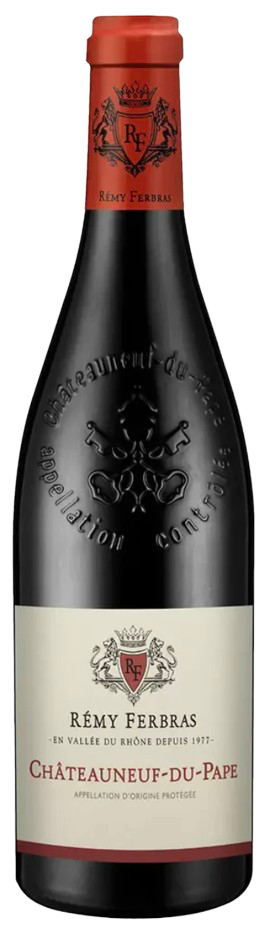 Rémy Ferbras - Châteauneuf-du-Pape 2017Châteauneuf-du-Pape→
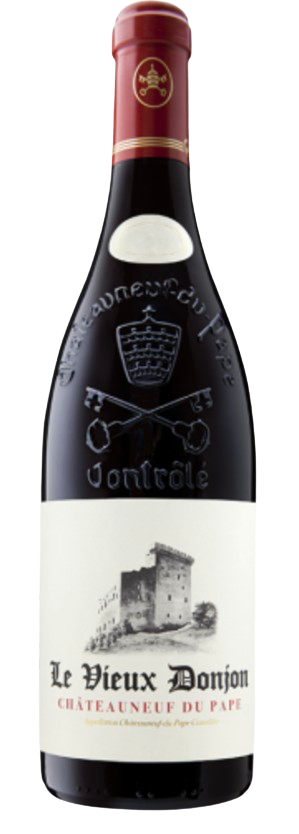 Vieux Donjon (Michel Lucien) - Vieux Donjon Châteauneuf-du-Pape 2023Châteauneuf-du-Pape→
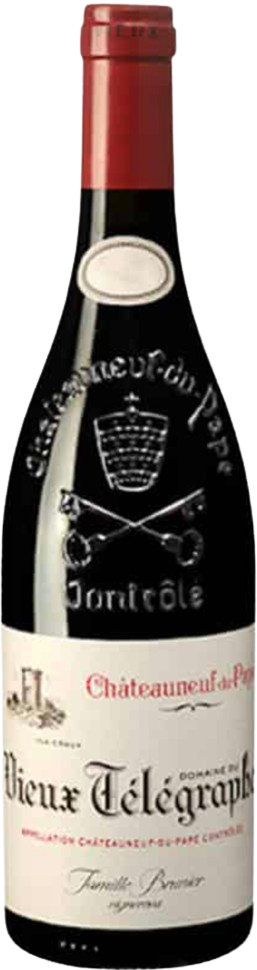 Vieux Telegraphe - Châteauneuf-du-Pape, La Crau 2007Châteauneuf-du-Pape→
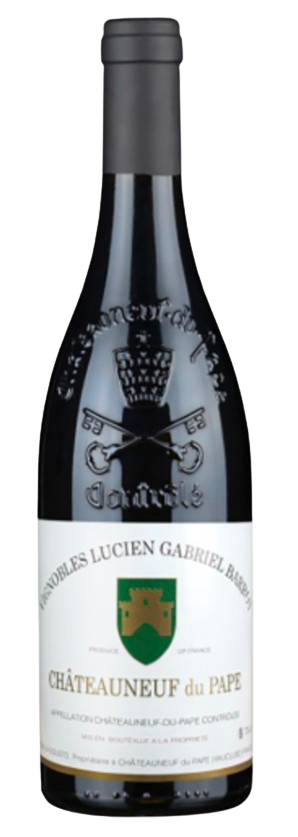 Vignobles Lucien Gabriel - Châteauneuf du Pape 2020Châteauneuf-du-Pape→
 Xavier Vignon - Cuvée Anonyme 2007Châteauneuf-du-Pape→