At the gates of Bordeaux, the upper Graves
Pessac-Léognan covers around ten communes to the south and southwest of Bordeaux, on the northern part of Graves. It is an urban vineyard, hemmed in by the city, whose area has grown from about 500 hectares in 1975 to nearly 1,860 today. Red wine accounts for the bulk of production, but the appellation owes part of its renown to its dry whites.
The appellation is recent — created in 1987 — but its history is ancient: it was here, at Haut-Brion, that the idea of the great château wine was born as early as the 17th century, well before the Médoc.
The terroir: the gravel that gave it its name
Like the whole Graves region, Pessac-Léognan takes its name from its soil: gravel rises — gravel and pebbles in a clay matrix — laid down by the Garonne over successive glaciations. These well-drained, warm, poor mounds are a prime terroir for cabernet sauvignon as well as for the white grape varieties.
Streams flowing into the Garonne have carved these terraces into rises and, in places, expose limestone outcrops (the Léognan limestone). It is these finest gravel rises that carry the most celebrated growths — Haut-Brion, La Mission Haut-Brion, Pape Clément, Smith Haut Lafitte, Domaine de Chevalier, Haut-Bailly.
Reds and dry whites
Pessac-Léognan's great singularity is producing two great types of wine. In red, the blend marries cabernet sauvignon and merlot (with a little cabernet franc and petit verdot): wines of pedigree, generally less tannic than Médocs, combining structure and elegance.
In dry white, sauvignon brings vivacity and aromatics, sémillon the richness and the ability to age under oak. These whites, among the greatest in Bordeaux, combine tension and richness and stand out for their remarkable ageing potential.
Two classifications, one pioneer
Château Haut-Brion holds a place apart in history: it is the only Graves growth — and the only growth located outside the Médoc — to have been classified premier cru as early as 1855. It remains the flagship château of the appellation.
The other growths of the region had to wait for a classification dedicated to Graves, drawn up in 1953 and officialised by decree in 1959, which distinguishes classified growths in both red and white. All are now found within the Pessac-Léognan area, which thus concentrates almost all the classified growths of Graves.
The grape varieties of Pessac-Léognan
Pessac-Léognan wines on 1001caves
Detailed pages: the cuvée, the estate, the drinking window and the bottles for sale between collectors.
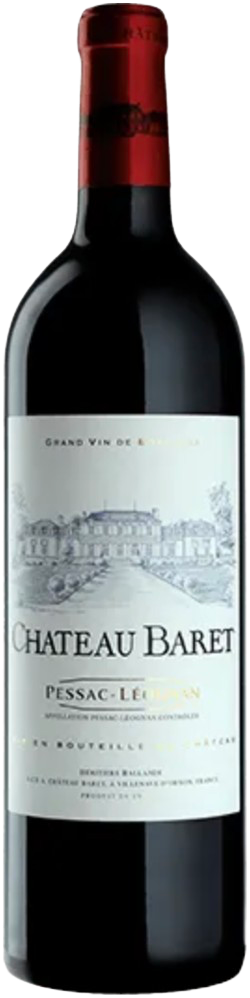 Château Baret 2018Pessac-Léognan→
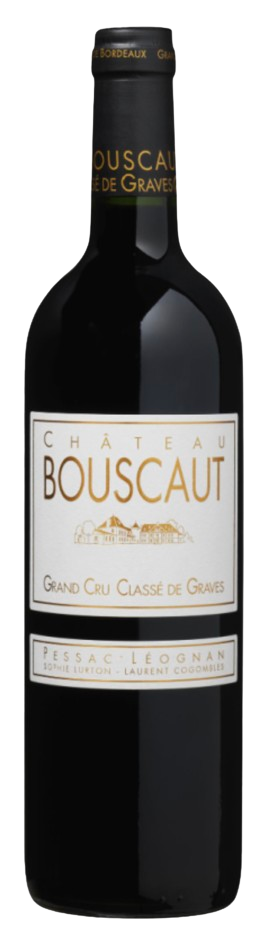 Château Bouscaut 1996Grand Cru Classé de Graves · Pessac-Léognan→
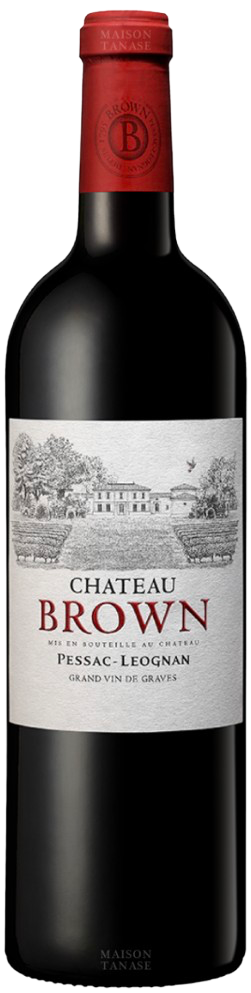 Château Brown 2019Pessac-Léognan→
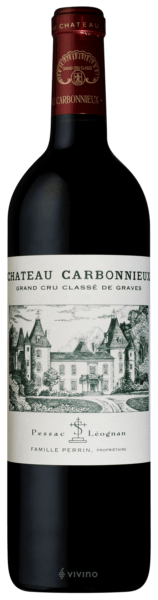 Château Carbonnieux 1989Grand Cru Classé de Graves · Pessac-Léognan→
 Château Couhins, Rouge, Pessac-Léognan 2016Grand Cru Classé de Graves · Pessac-Léognan→
 Château Haut-Bailly Grand Cru Classé 1982Grand Cru Classé de Graves · Pessac-Léognan→
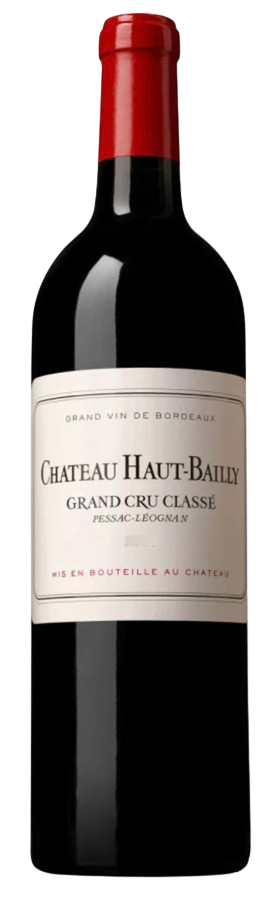 Château Haut-Bailly 2020Grand Cru Classé de Graves · Pessac-Léognan→
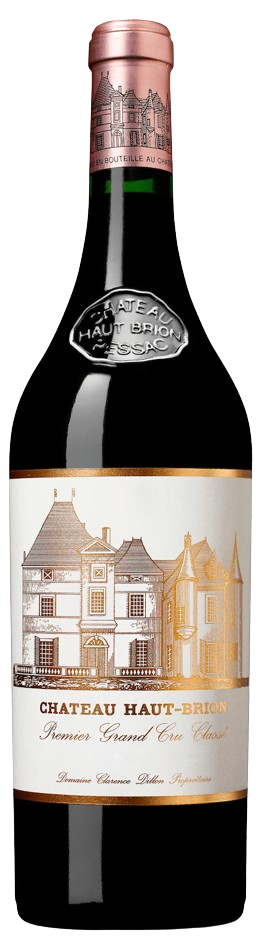 Château Haut-Brion 19761er Grand Cru Classé · Pessac-Léognan→
 Château Haut-Brion 19891er Grand Cru Classé · Pessac-Léognan→Domaine Clarence Dillon S.A. - Château Haut-Brion 20031er Grand Cru Classé · Pessac-Léognan→Château Haut-Brion 20201er Grand Cru Classé · Pessac-Léognan→
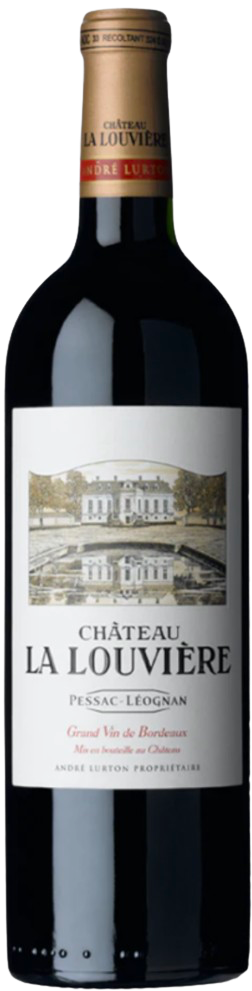 Château La Louvière 2018Pessac-Léognan→
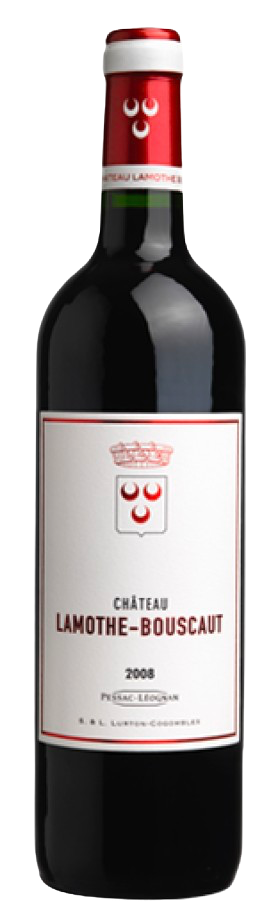 Château Lamothe-Bouscaut 2020Pessac-Léognan→
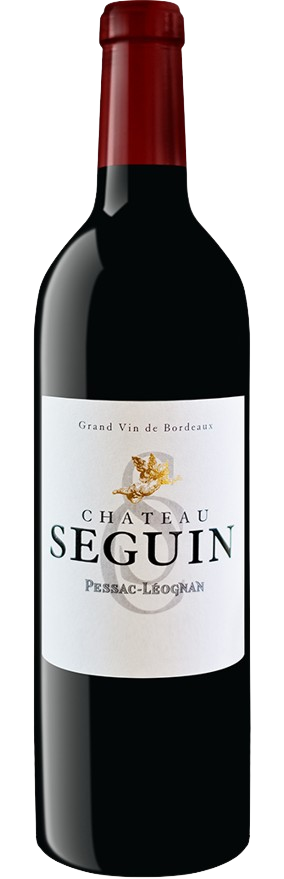 Château Séguin 2009Pessac-Léognan→
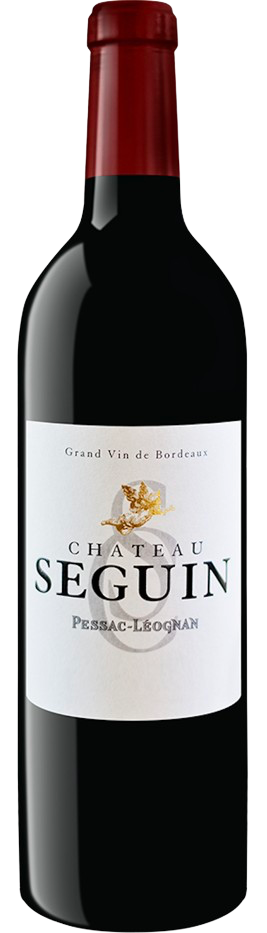 Château Seguin, Pessac-Léognan 2010Pessac-Léognan→
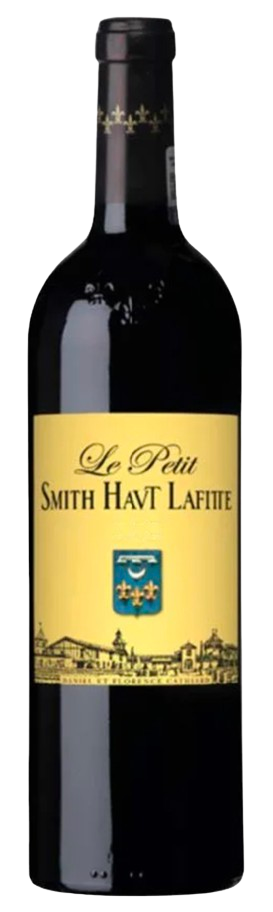 Daniel et Florence Cathiard - Le Petit Smith Haut Lafitte 2021Grand Cru Classé de Graves · Pessac-Léognan→
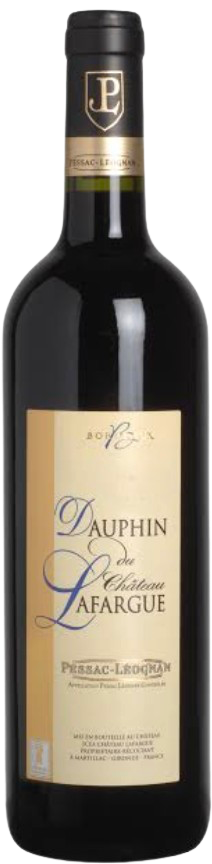 Dauphin du Château Lafargue 2023Pessac-Léognan→Domaine Clarence Dillon S.A. - Château Haut-Brion 20091er Grand Cru Classé · Pessac-Léognan→
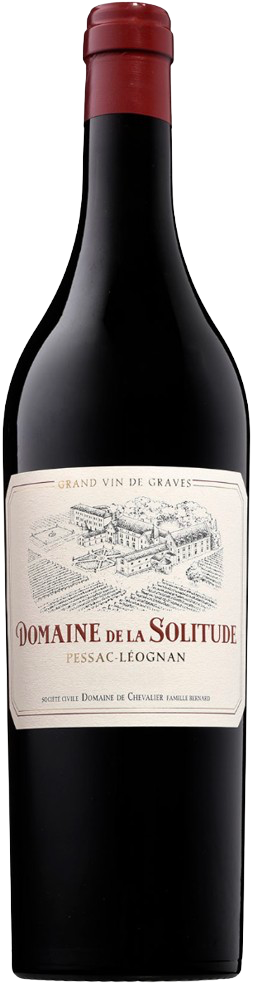 Domaine de la Solitude 2021Pessac-Léognan→
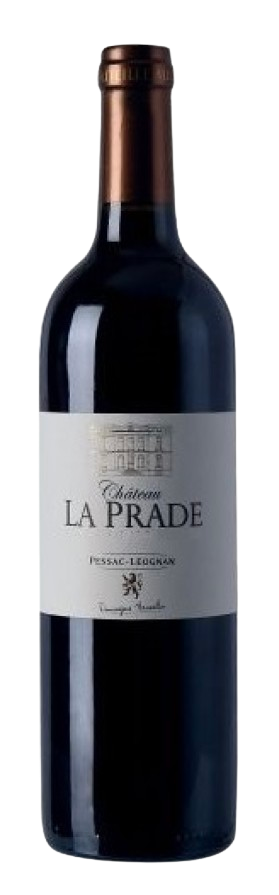 Dominique Haverlan - Château La Prade 2017Pessac-Léognan→
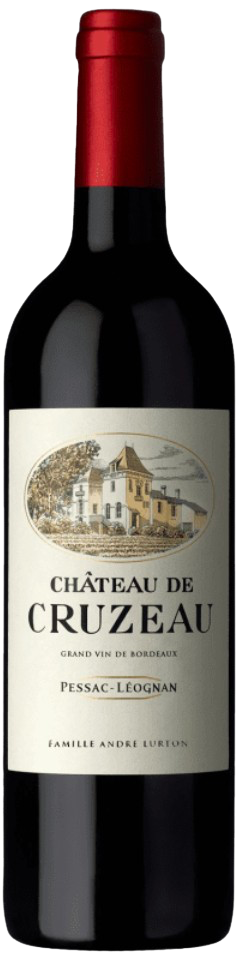 Famille André Lurton - Château de Cruzeau 2022Pessac-Léognan→
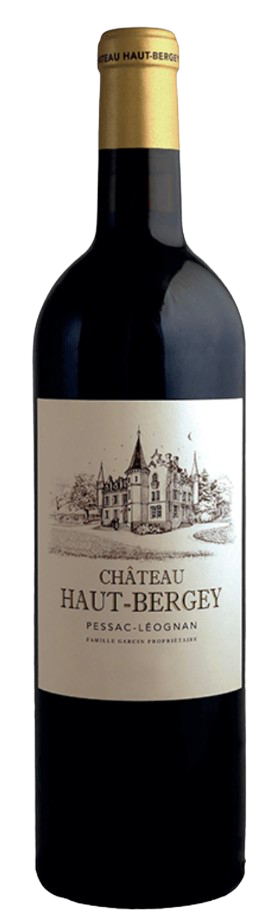 Famille Garcin Propriétaire - Château Haut-Bergey 2018Pessac-Léognan→
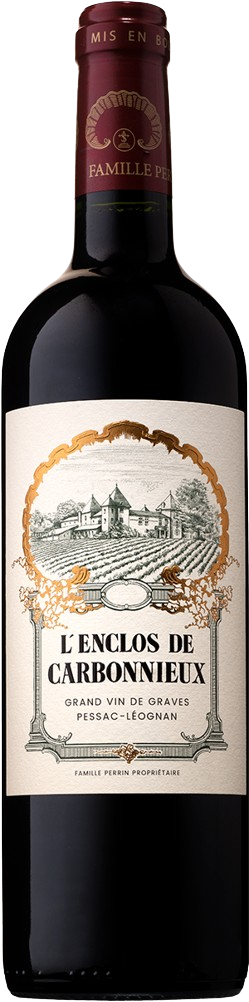 Famille Perrin - L'Enclos de Carbonnieux 2021Grand Cru Classé de Graves · Pessac-Léognan→
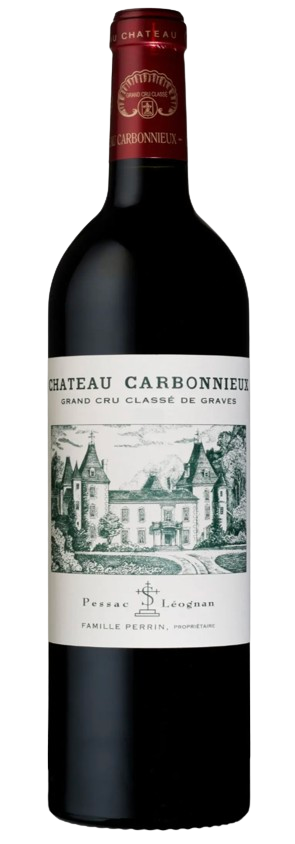 Famille Perrin Propriétaire - Château Carbonnieux 2022Grand Cru Classé de Graves · Pessac-Léognan→Famille Perrin Propriétaire - L'Enclos de Carbonnieux 2023Grand Cru Classé de Graves · Pessac-Léognan→
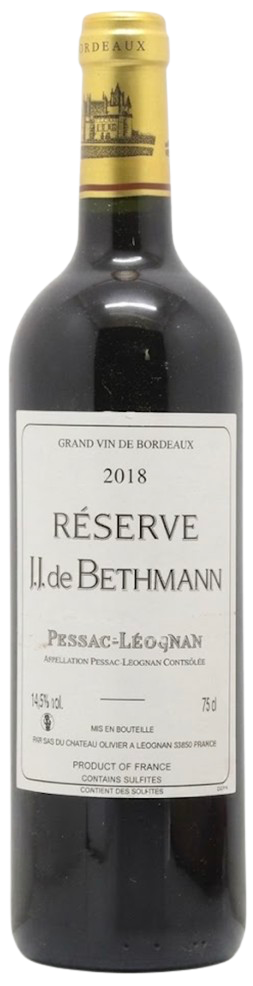 J.J de Bethmann - Réserve 2013Pessac-Léognan→
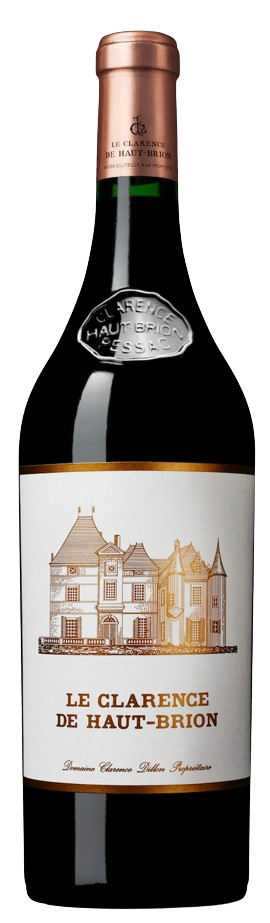 Domaine Clarence Dillon - Le Clarence de Haut-Brion 2012Pessac-Léognan→Le Petit Smith Haut Lafitte Rouge, Pessac-Léognan 2016Grand Cru Classé de Graves · Pessac-Léognan→
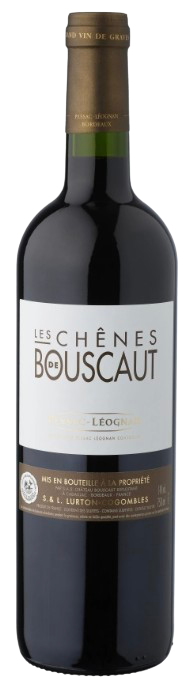 Les Chenes de Bouscaut Rouge, Pessac-Léognan 2015Grand Cru Classé de Graves · Pessac-Léognan→
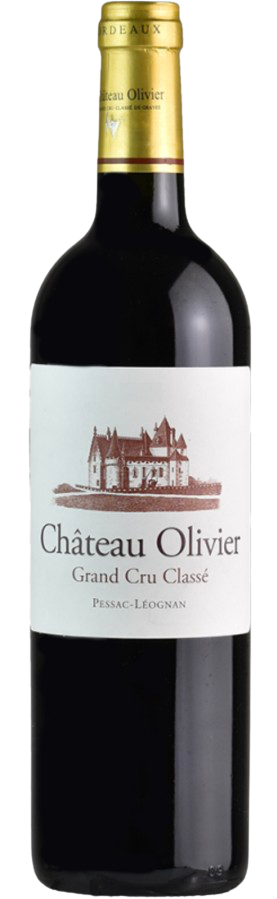 Château Olivier 2020Grand Cru Classé de Graves · Pessac-Léognan→
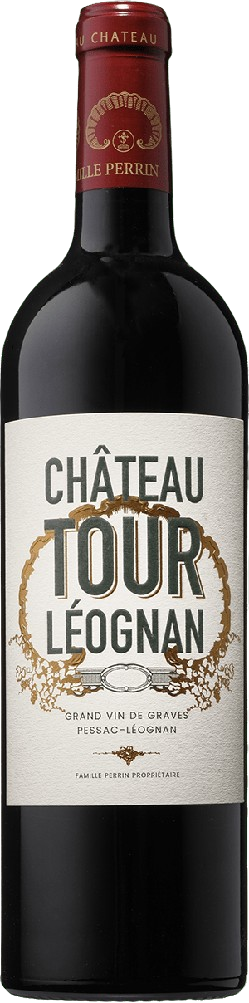 S.C.G.G. Château Carbonnieux - Château La Tour Léognan 1998Pessac-Léognan→