Pauillac, at the Heart of the Haut-Médoc
Pauillac stretches along the left bank of the Gironde, some forty kilometres north of Bordeaux, between Saint-Estèphe to the north and Saint-Julien to the south. The appellation occupies chiefly the commune of Pauillac, spilling over into a few parcels of Cissac-Médoc, Saint-Sauveur, Saint-Estèphe and Saint-Julien-Beychevelle.
Like the whole Médoc, it was born of a paradox: this land "amid the waters" was first a marsh, drained from the 17th century onward, before Bordeaux merchants recognised great wine terroirs there. Pauillac became its most prestigious showcase.
The Terroir: Two Plateaus of Large Pebbles
Pauillac's distinctiveness lies in its fine-grained geography. The appellation is split into two gravel plateaus by the Gahet stream. To the north, the Pouyalet plateau rises to about thirty metres; to the south, the flatter Saint-Lambert plateau extends to the Juillac valley, which marks the border with Saint-Julien. It is here, on remarkably well-drained large-pebble soils — those of Château Latour are emblematic — that some of the Médoc's most concentrated wines are born.
These gravel rises are graves: pebbles and gravel carried down by the Garonne during the Quaternary from the Pyrenees and the Massif Central, piled up several metres deep. Separated by small drainage streams, the "jalles," they retain almost no water. The vine must sink its roots deep, which curbs its vigour and concentrates the berries — the key to the power of Pauillac wines.
The Gironde and the Climate: Ripening a Late Cabernet
Pauillac enjoys a temperate oceanic climate, doubly regulated by the Gironde and the nearby Atlantic. These bodies of water soften the winters, temper the summers and extend the late season, with around 2,000 to 2,200 hours of sunshine a year.
This autumn mildness is decisive for Cabernet Sauvignon, a late-ripening variety and the appellation's leading grape. Born in the Médoc from a natural cross between Cabernet Franc and Sauvignon Blanc, it reaches full ripeness only in years with a fine end of season — those that produce the great vintages. In the first growths, it commonly accounts for 70 to 80% of the blend.
The Style of the Wines: Power and Pedigree
Pauillac is a cellaring wine par excellence. Young, its colour is deep, almost black purple with violet glints. The nose, concentrated and complex, unfolds blackcurrant and blackberry, spiced notes (pepper, liquorice, menthol) and a cedary, toasted oak character. On the palate, the tannic structure is imposing and requires full ripeness to soften; with the years, it melts into a velvet texture of great length.
It is this combination of power and finesse that has made Pauillac's reputation. The best vintages age for decades, the colour evolving slowly toward amber ruby. At table, they call for hearty red meats: entrecôte à la bordelaise, Pauillac lamb, game.
Three First Growths and the 1855 Classification
No appellation concentrates so many summits. Of the sixty classified growths of the Médoc in 1855, eighteen are in Pauillac, including three of the five first growths: Château Lafite-Rothschild, Château Latour and Château Mouton Rothschild. The latter is the only one ever promoted to first growth after 1855, in 1973 — the sole revision ever made to the imperial classification.
Around these monuments gravitate numerous other classified growths and renowned estates such as Pichon-Longueville. The proportion of grape varieties, adjusted by each château, gives each its own personality, from the most austere to the most generous, while retaining the common imprint of the gravel terroir.
The grape varieties of Pauillac
Pauillac wines on 1001caves
Detailed pages: the cuvée, the estate, the drinking window and the bottles for sale between collectors.
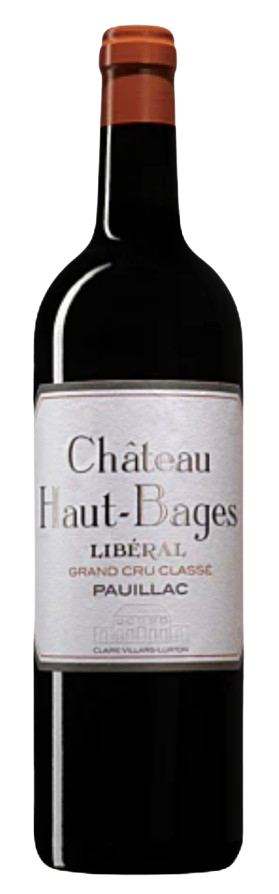 A. & R. Barrière Frères (mise négociant) - Château Haut-Bages Libéral 19555ème Grand Cru Classé · Pauillac→
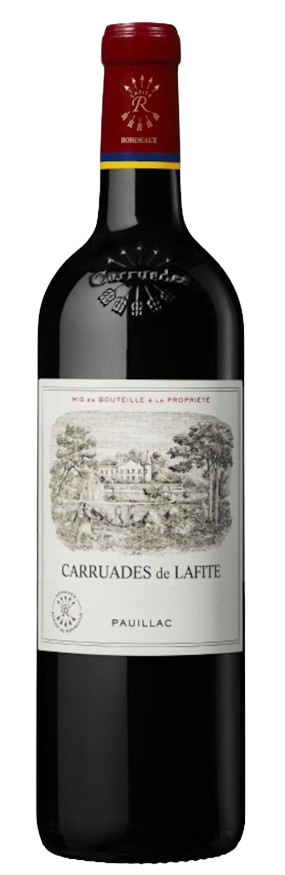 Lafite Rothschild - Carruades de Lafite 1990Pauillac→Lafite Rothschild - Carruades de Lafite 2009Pauillac→
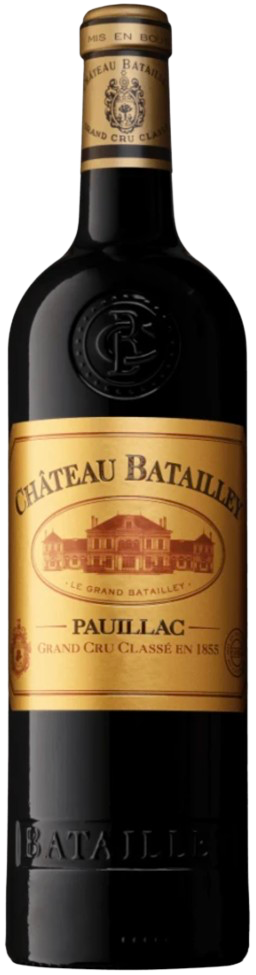 Château Batailley 20085ème Grand Cru Classé · Pauillac→
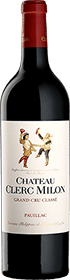 Château Clerc Milon 20115ème Grand Cru Classé · Pauillac→
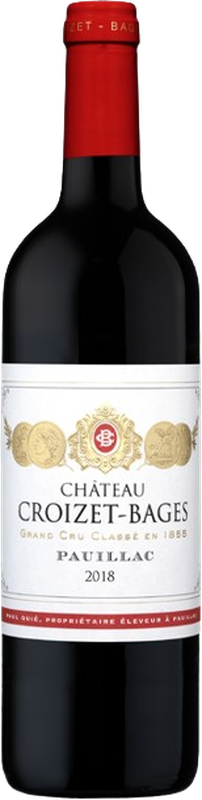 Château Croizet-Bages 20155ème Grand Cru Classé · Pauillac→Château Croizet-Bages 20175ème Grand Cru Classé · Pauillac→
 Château Haut-Bages-Libéral 20225ème Grand Cru Classé · Pauillac→
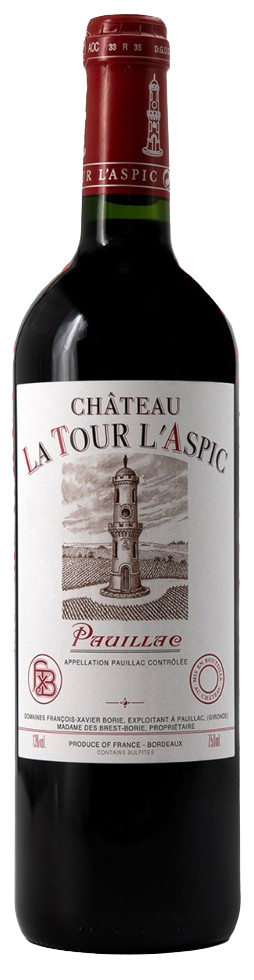 Château La Tour l'Aspic 1999Pauillac→
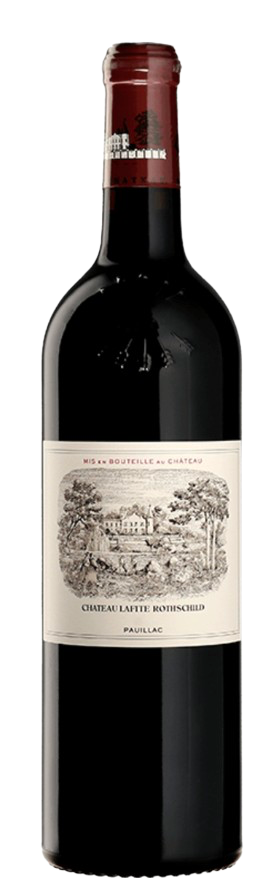 Château Lafite Rothschild 20081er Grand Cru Classé · Pauillac→Château Lafite Rothschild Pauillac 20121er Grand Cru Classé · Pauillac→Château Lafite Rothschild 20141er Grand Cru Classé · Pauillac→
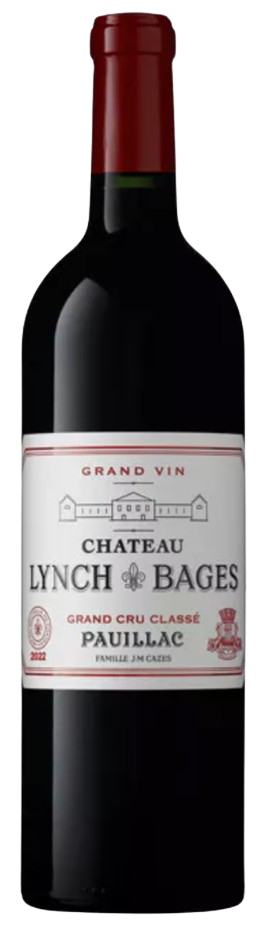 Château Lynch-Bages 19825ème Grand Cru Classé · pauillac→
 Château Lynch-Bages 20225ème Grand Cru Classé · Pauillac→Château Lynch-Bages 20235ème Grand Cru Classé · Pauillac→
 Château Lynch-Moussas 20235ème Grand Cru Classé · Pauillac→
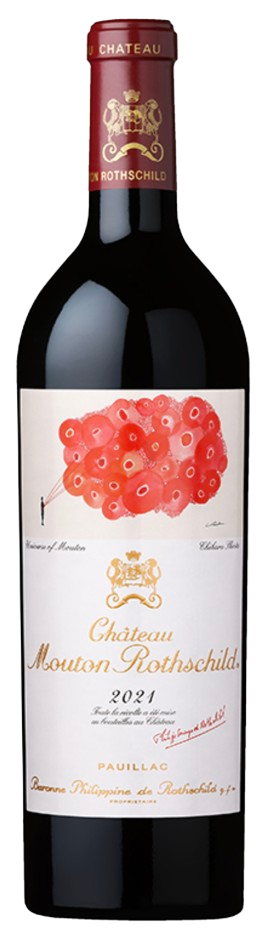 Baron Philippe de Rothschild - Château Mouton Rothschild 19652ème Grand Cru Classé · Pauillac Controlée→
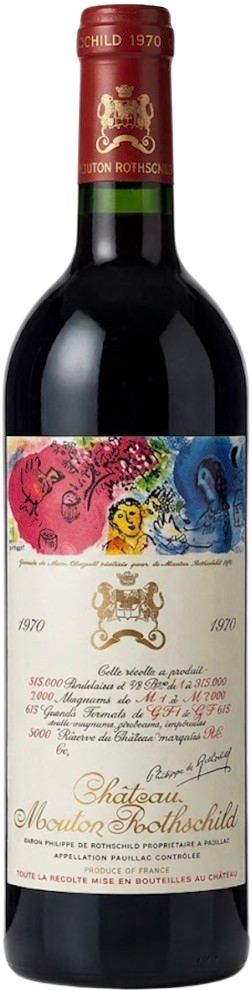 Château Mouton-Rothschild 19702ème Grand Cru Classé · Pauillac→
 Château Mouton Rothschild 19901er Grand Cru Classé · Pauillac→Château Mouton Rothschild 20111er Grand Cru Classé · Pauillac→Château Mouton Rothschild 20201er Grand Cru Classé · Pauillac→Château Mouton Rothschild 20211er Grand Cru Classé · Pauillac→
 Château Pontet-Canet 5ème Cru Classé, Pauillac 20195ème Grand Cru Classé · Pauillac→
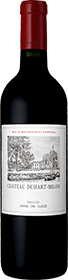 Domaine Barons de Rothschild (Lafite) - Château Duhart-Milon 20111er Grand Cru Classé · Pauillac→
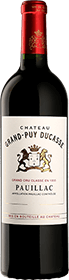 Grand-Puy Ducasse 20195ème Grand Cru Classé · Pauillac→
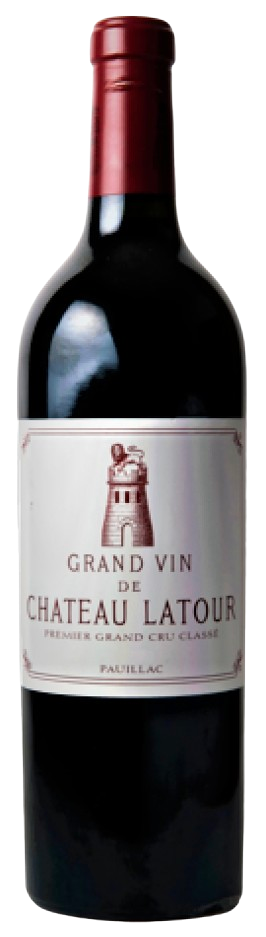 GRAND VIN DE CHÂTEAU LATOUR PREMIER GRAND CRU CLASSÉ 19731er Grand Cru Classé · Pauillac→
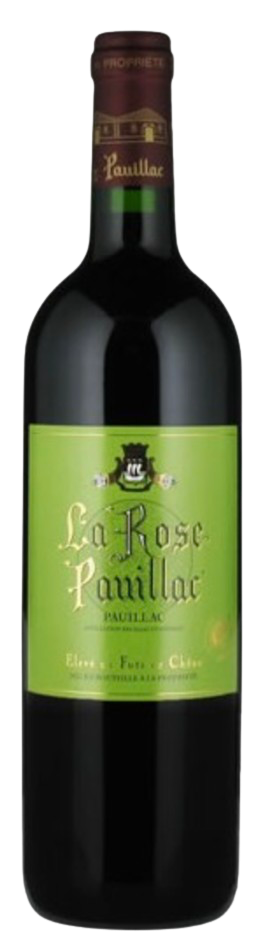 La Rose, Pauillac 2019Pauillac→